Ancient Reptile Regurgitation Behavior
Jurassic Fossils Reveal Plesiosaurs Regurgitated Indigestible Prey Ashore Off Norway
Anonymous
Key Points
1
The regurgitalites were discovered during drilling for an offshore carbon-dioxide storage site near Norway’s Troll gas field, rather than through a conventional fossil excavation.
2
Researchers tested several possible producers of the pellets: fish and cephalopods were ruled out because the contents did not fit, while sharks and crocodiles became less likely because the pellets contained no evidence of fish. This left plesiosaurs as the most plausible source.
3
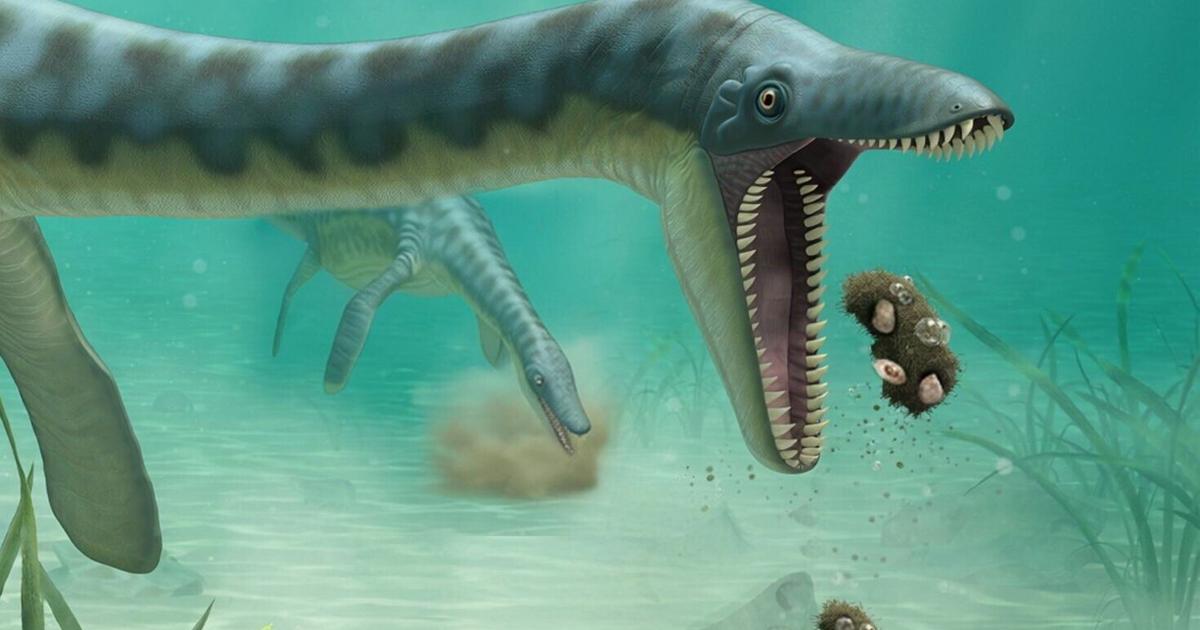
Knaust’s reconstruction of feeding behavior is that plesiosaurs used their long necks to graze along the seafloor for mollusks, sea lilies and shallowly buried worm tubes; they digested the soft tissues while concentrating the hard shells and tubes into pellets for oral rejection.
4
Knaust suggested the reptiles may have approached shore not only to regurgitate but also to relax or sleep after hunting, a behavior he compared with that of modern fur seals and marine crocodiles.
Scientists discovered more than 20 fossilized vomit pellets from plesiosaurs—massive marine reptiles that roamed Earth's oceans 160 million years ago. KHQ reported that the walnut- to mango-sized regurgitalites were found in drill cores 31 miles off Norway's coast and contain shells from mollusks, sea lilies, and worm tubes, providing the first direct evidence that plesiosaurs regurgitated indigestible prey like modern owls and seals do today.
How Scientists Found Ancient Sea Monster Vomit
The pellets were uncovered accidentally during drilling for a carbon-dioxide storage site near Norway's Troll gas field, not through traditional fossil hunting. Paleontologist Dirk Knaust and his team analyzed the contents and tested whether fish, cephalopods, sharks, or crocodiles could have made them. Each possibility failed because the hard parts inside didn't match what those animals would regurgitate.
Why Plesiosaurs Likely Made the Pellets
The prey shells and tubes inside the pellets only grow in salt water with stable ocean conditions. But the pellets were found in layers of rock from a freshwater-influenced river delta. This mismatch meant plesiosaurs must have fed offshore, then swam toward the coast to vomit—leaving the pellets behind in sediment that later hardened into rock.
How Ancient Plesiosaurs Hunted and Digested Food
According to KHQ, Knaust reconstructed the plesiosaur feeding strategy: their long necks allowed them to graze along the seafloor like underwater vacuum cleaners, slurping up mollusks, sea lilies, and burrowing worm tubes. They digested the soft tissue inside but concentrated the hard shells and tubes into pellets they could spit back out—efficient food processing from a 30-ton predator.
Plesiosaurs Visited Shore to Rest and Relax
Knaust suggested that plesiosaurs approached shallow coastal waters not only to regurgitate but also to rest and sleep between hunts. This behavior mirrors modern fur seals and marine crocodiles, which beach themselves to recover after feeding. The discovery reveals that these Jurassic reptiles had complex coastal behaviors previously unknown to science.
Sentiment
Mostly NegativeNEGATIVENEUTRALPOSITIVE
Publishers
12
Articles
29
Reach
41
Topics
A
AnonymousAuthor


