Syrian Power Plant Outage
Pipeline Explosion Shuts Three Syrian Power Plants and Worsens National Power Rationing
Anonymous
Key Points
1
Technicians began repressurizing the Arab Gas Pipeline between Adra and Deir Ali to restore service in stages, with the pipeline and surrounding area under technical monitoring during the restart.
2
Before inspection could begin, energy teams closed the gas valves and isolated the damaged pipeline; they monitored the remaining gas as it burned off to secure the site.
3
Civil Defense said the two injured people received first aid and were transferred to the Sheikh Mohammed bin Zayed field hospital near the Conference Palace in rural Damascus.
4
The blast was reported as the second attack on a Syrian gas pipeline in two days, following sabotage of a valve on the Shoula–Deir ez-Zor line.
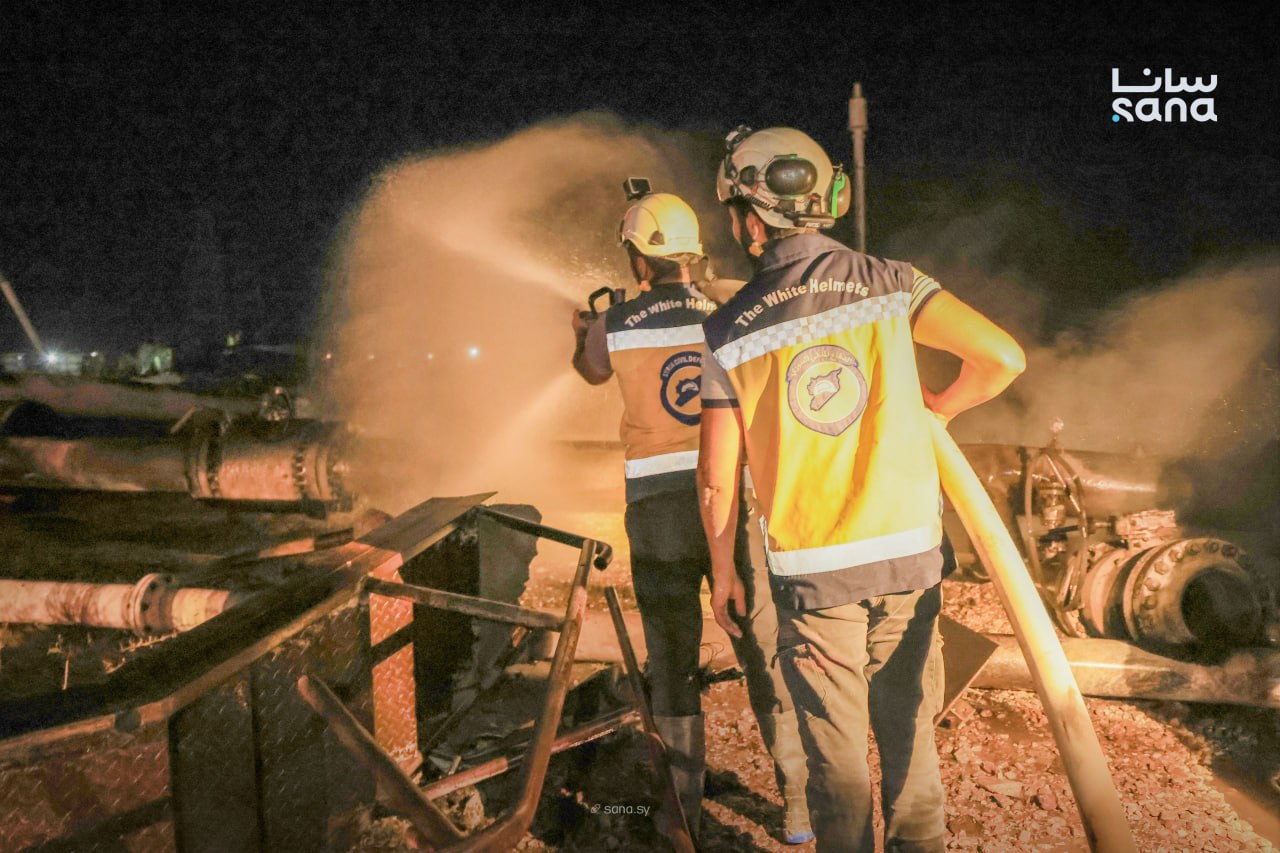
A gas pipeline explosion near Syria's Tishreen thermal power plant knocked three major power stations offline on September 30, forcing the country to ration electricity even further. The blast at a pressure-reduction station damaged two gas lines and cut fuel supplies to Tishreen, Deir Ali, and Nasiriyah plants, SANA reported. Two workers were injured and transferred to a field hospital. Syrian Observatory for Human Rights said the explosion created massive fireballs visible across Eastern Ghouta and Damascus suburbs.
This is the second attack on Syria's gas infrastructure in two days. A valve on the Shoula–Deir ez-Zor pipeline was sabotaged on September 28. Energy Minister Mohammad al-Bashir said the cause remains unclear: a technical fault, deliberate attack, or sabotage are all possibilities. Restoration crews began repressurizing the Arab Gas Pipeline between Adra and Deir Ali on October 1 to restore power in stages, Times of India reported.
The Blast Cuts Power to Three Plants
The explosion struck a pressure-reduction station at the Tishreen plant's entrance in the Damascus Countryside during the night of September 30. Hindustan Times reported that the blast severed gas lines feeding three thermal power stations. Tishreen, Deir Ali, and Nasiriyah went dark immediately. Energy crews had no choice but to shut all three plants down and isolate the damaged pipeline. The blackout cascades across Syria's grid, worsening electricity shortages that already plague Damascus, Rif Dimashq, Daraa, Quneitra, and Suweida.
Civil Defense brought the fire under control and began cooling operations. Workers burned off residual gas to secure the site and prevent further danger. Energy Minister al-Bashir said inspection teams cannot examine the turbines and core equipment until cooling is complete. He vowed a full investigation once the site cools: "The relevant specialized teams will conduct an on-site inspection after cooling operations are completed to determine the causes and circumstances precisely."
Second Pipeline Attack in 48 Hours Signals Growing Vulnerability
Syria's gas infrastructure faces a mounting security crisis. Suriname Times noted that a valve on the Shoula–Deir ez-Zor pipeline was sabotaged just two days before the Tishreen blast. Both attacks struck critical nodes in Syria's centralized grid at a moment when the nation can least afford disruptions. Regional analysts say these back-to-back incidents expose Syria's limited grid redundancy and deep infrastructural vulnerabilities during heightened regional tensions.
The Tishreen power plant explosion was visible for miles. Mezha reported that the blast lit up the night sky above Eastern Ghouta. Energy officials now must operate with three fewer power stations while repair crews work to restore gas flow. Staged repressurization of the Arab Gas Pipeline between Adra and Deir Ali began on October 1, with technicians monitoring every step of the restart to avoid fresh damage.
Restoration Begins as Nationwide Blackouts Deepen
On October 1, energy teams started the slow work of bringing gas back online. Suriname Times confirmed that technicians began repressurizing the Arab Gas Pipeline between Adra and Deir Ali in stages, carefully monitoring pressure and temperature at each step. The pipeline and surrounding area remained under round-the-clock technical watch to catch any new problems. Deir Ali's restoration is the priority because it supplies electricity to five provinces and the capital.
Full power restoration will take time. Energy crews must complete cooling, inspect turbines, verify electrical cables and substations, and rule out hidden damage before any plant can restart. In the meantime, Syria extends its scheduled blackouts to manage the loss. Two workers injured in the blast recovered well enough to leave the scene, though both required first aid and admission to Sheikh Mohammed bin Zayed field hospital near Damascus. The attack has left no stone unturned in Syria's energy crisis.
Sentiment
Mostly NegativeNEGATIVENEUTRALPOSITIVE
Publishers
27
Articles
36
Reach
63
A
AnonymousAuthor


