BRICS Global Governance Reform
Prime Minister Modi calls for sweeping global governance reforms at the BRICS summit.
Anonymous
Trending on XBRICS leaders summit in Delhi and push for non-dollar trade
Key Points
1
India organised around 350 meetings during its year-long BRICS chairship, with officials describing the summit as the culmination of sustained preparatory work rather than a standalone event. The chairship was guided by the principle of “Humanity First.”
2
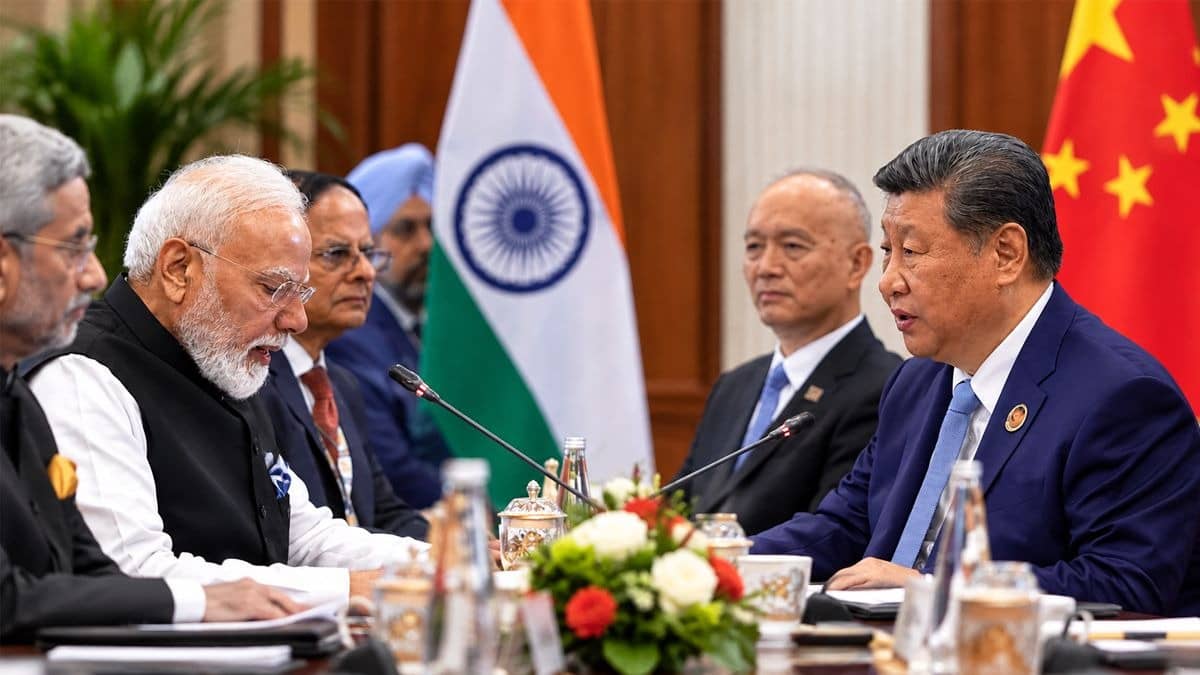
Xi Jinping said he and Narendra Modi had met more than 20 times over the previous 12 years and had reached “a series of important consensuses.” He called on China and India, as the world’s two most populous countries and members of the Global South, to deepen cooperation and contribute to a more equitable and inclusive world.
3
Modi used the summit to describe BRICS as having reached a “coming of age” moment after two decades and urged the grouping to begin a new, ambitious agenda for its next 20 years, including stronger internal working systems.
4
Beyond the summit’s multilateral discussions, Modi held bilateral talks with Russian President Vladimir Putin and Iranian President Masoud Pezeshkian. His meeting with Pezeshkian, the second in less than two weeks, focused on India-Iran ties and the wider situation in West Asia.
Prime Minister Narendra Modi called for a sweeping overhaul of global governance at the 18th BRICS Summit in New Delhi, arguing that developing nations must become rule-makers instead of rule-takers. Prashant News reported that the BRICS countries adopted the New Delhi Declaration, calling for greater representation in the United Nations Security Council and international financial institutions. Modi emphasized that BRICS has reached a "coming of age" moment after 20 years and must now translate ambitious declarations into concrete outcomes through a new implementation framework.
The summit, which culminated India's year-long BRICS chairship guided by "Humanity First," saw Modi propose a Troika system and secure digital repository to track decisions and deadlines. India's News reported that this mechanism would reduce disruption from annual leadership changes and strengthen BRICS's credibility in seeking greater global influence. Chinese President Xi Jinping praised India's leadership and urged deeper India-China cooperation as the world's two most populous developing nations work toward a more equitable world order.
Modi Outlines Implementation System for BRICS
Modi's central proposal centers on ending BRICS's pattern of ambitious summit declarations that fade without follow-up. India's News reported that his new framework includes a Troika arrangement—three rotating presidents who track implementation—plus a secure digital repository storing decisions, responsible officials, and deadlines. This mechanism directly addresses the group's historical weakness: lacking institutional continuity when leadership rotates annually.
Global South Demands Greater Voice in UN and Finance
NDTV Profit reported that BRICS members endorsed calls for India and Brazil to secure permanent seats on the UN Security Council. Modi argued the Security Council reform "cannot be postponed" and must be linked to broader efforts empowering developing nations. Canberra Times noted that Modi stressed the Global South should shape rules on security, finance, technology, and development rather than simply accept rules written by wealthy nations.
Xi Emphasizes India-China Cooperation Despite Competition
Chinese President Xi Jinping signaled Beijing's commitment to managing strategic rivalry with India through multilateral forums. Xi noted that he and Modi had met more than 20 times over 12 years and had reached "a series of important consensuses." This language reflects China's strategy of compartmentalizing disagreements while coordinating through BRICS on economic integration and international representation issues.
Modi Holds Parallel Talks on West Asia Tensions
Beyond multilateral discussions, Modi held bilateral meetings with Russian President Vladimir Putin and Iranian President Masoud Pezeshkian—their second meeting in less than two weeks. Prashant News reported that the New Delhi Declaration expressed concern over escalating tensions in West Asia and called for restraint. Modi's repeated engagement with Tehran signals India's effort to position itself as a bridge between major powers amid regional instability.
Sentiment
Mostly PositiveNEGATIVENEUTRALPOSITIVE
Publishers
18
Articles
52
Reach
70
A
AnonymousAuthor


