First European Diplodocus Found
Paleontologists uncover the first confirmed Diplodocus fossils outside of North America in Spain.
Anonymous
Key Points
1
The specimen is described as one of the most complete diplodocid skeletons ever found in Europe, despite consisting primarily of tail material and chevrons.
2
Researchers said the Spanish animal was closely related to Diplodocus hallorum, in addition to sharing diagnostic features with Diplodocus species more broadly.
3
The El Castellar fossils differ substantially from other large sauropods known from the region, including the diplodocid-related taxa Turiasaurus and Losillasaurus.
4
Lead author Sergio Sánchez Fenollosa called the find “some of the strongest paleontological evidence” for episodes of dispersal and faunal exchange between Europe and North America across the proto-Atlantic during the Late Jurassic.
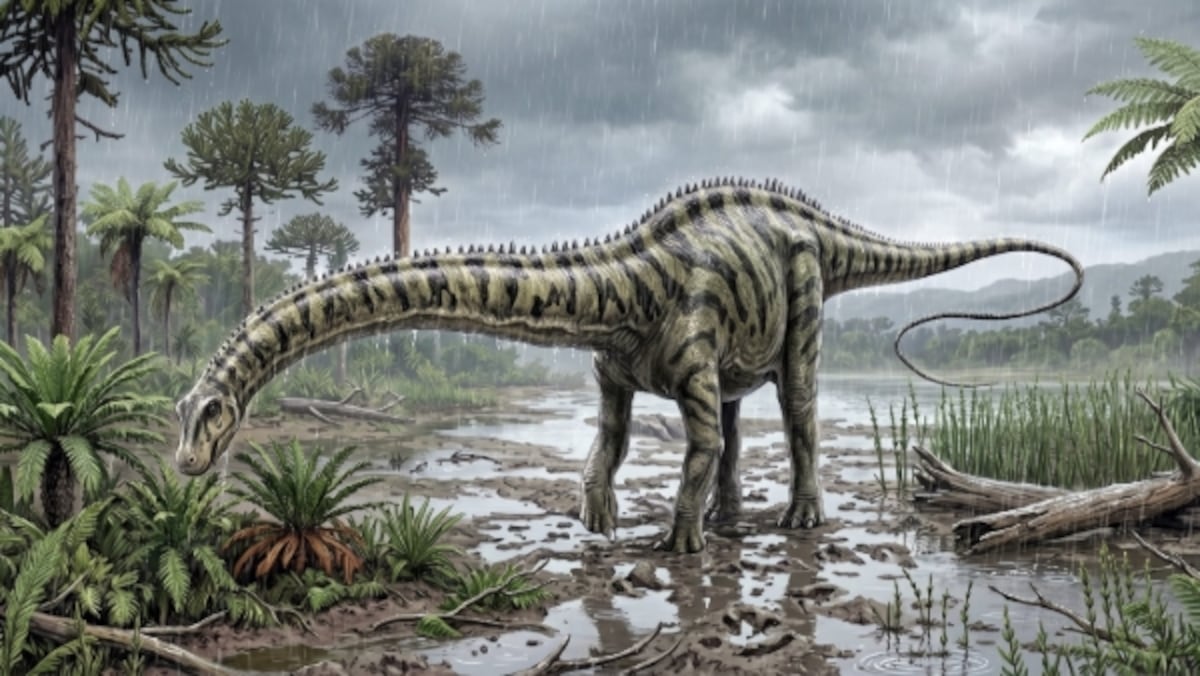
Paleontologists in Spain have discovered the first confirmed Diplodocus fossils ever found outside North America. El País reports that researchers from the Dinópolis Foundation in Teruel uncovered 14 well-preserved tail vertebrae and several chevron bones near El Castellar. The long-necked dinosaur lived about 150 million years ago and measured roughly 25 meters (82 feet) long.
The find rewrites the geographic story of a genus previously documented only in the Morrison Formation of the western United States. Yahoo News reports that the discovery provides strong evidence that sauropods moved between North America and Europe during the Late Jurassic, likely crossing temporary land bridges or periods when the proto-Atlantic Ocean receded.
A Skeleton That Rewrites Diplodocus History
The Spanish specimen is one of the most complete diplodocid skeletons ever found in Europe, even though it consists mainly of tail material and bones. Lead author Sergio Sánchez Fenollosa called it according to El País "some of the strongest paleontological evidence" for faunal exchange between Europe and North America across the proto-Atlantic during the Late Jurassic.
Researchers identified the Spanish animal as closely related to Diplodocus hallorum and confirmed it shared diagnostic features with Diplodocus species broadly. The fossils differ substantially from other large sauropods known from the region. The Journal of Vertebrate Paleontology published the findings after multiple evolutionary analyses confirmed the identity.
Why This Matters for Understanding Jurassic Europe
For decades, Diplodocus was thought to be purely North American. This Spanish discovery shatters that assumption and reveals the dinosaur roamed across continents during the Late Jurassic, roughly 150 million years ago. Yahoo News explains the find offers new insight into Iberian ecosystems and the diversity of European Jurassic sauropods.
The El Castellar specimen differs clearly from other large sauropods found nearby, including the diplodocid-related taxa Turiasaurus and Losillasaurus. This distinction proves that multiple diplodocid lineages inhabited Europe simultaneously, not just Diplodocus. Paleontologists now understand the proto-Atlantic was far more permeable than previously believed.
How Dinosaurs Crossed the Ancient Ocean
Diplodocus likely traveled between North America and Europe via temporary land bridges or during periods when the proto-Atlantic Ocean receded, exposing dry land. Scientists believe these dispersal events happened episodically, not continuously. Sauropod fossils now suggest that giant long-necked dinosaurs were far more mobile than earlier models suggested.
The El Castellar find strengthens a growing body of evidence that the Late Jurassic world was highly connected. Faunal exchange between continents was not rare but regular. This Spanish Diplodocus skeleton proves that iconic North American dinosaurs had a broader reach than science thought just years ago.
Sentiment
Mostly PositiveNEGATIVENEUTRALPOSITIVE
Publishers
16
Articles
22
Reach
38
A
AnonymousAuthor


