Prediction Market Regulation Dispute
CFTC Proposes New Prediction Market Rules Amid Ongoing State Law Dispute
Anonymous
Key Points
1
CFTC Chairman Mike Selig is currently the agency’s sole commissioner, meaning he is making regulatory determinations without other commissioners.
2
The Sixth Circuit reasoned that sports outcomes are not inherently financial or economic in the way interest-rate changes are; effects on broadcasters, sponsors or local businesses were not enough to make sports contracts swaps. It affirmed Ohio’s victory and lifted an injunction blocking Tennessee from enforcing its gambling laws.
3
Robinhood reported $156 million in event-contract revenue in the second quarter—more than it generated from either equities or cryptocurrency trading.
4
Alcedine has almost no public profile despite becoming a top-10 trader on regulated U.S. prediction-market exchanges, where leading market-makers can move hundreds of millions or billions of dollars a month.
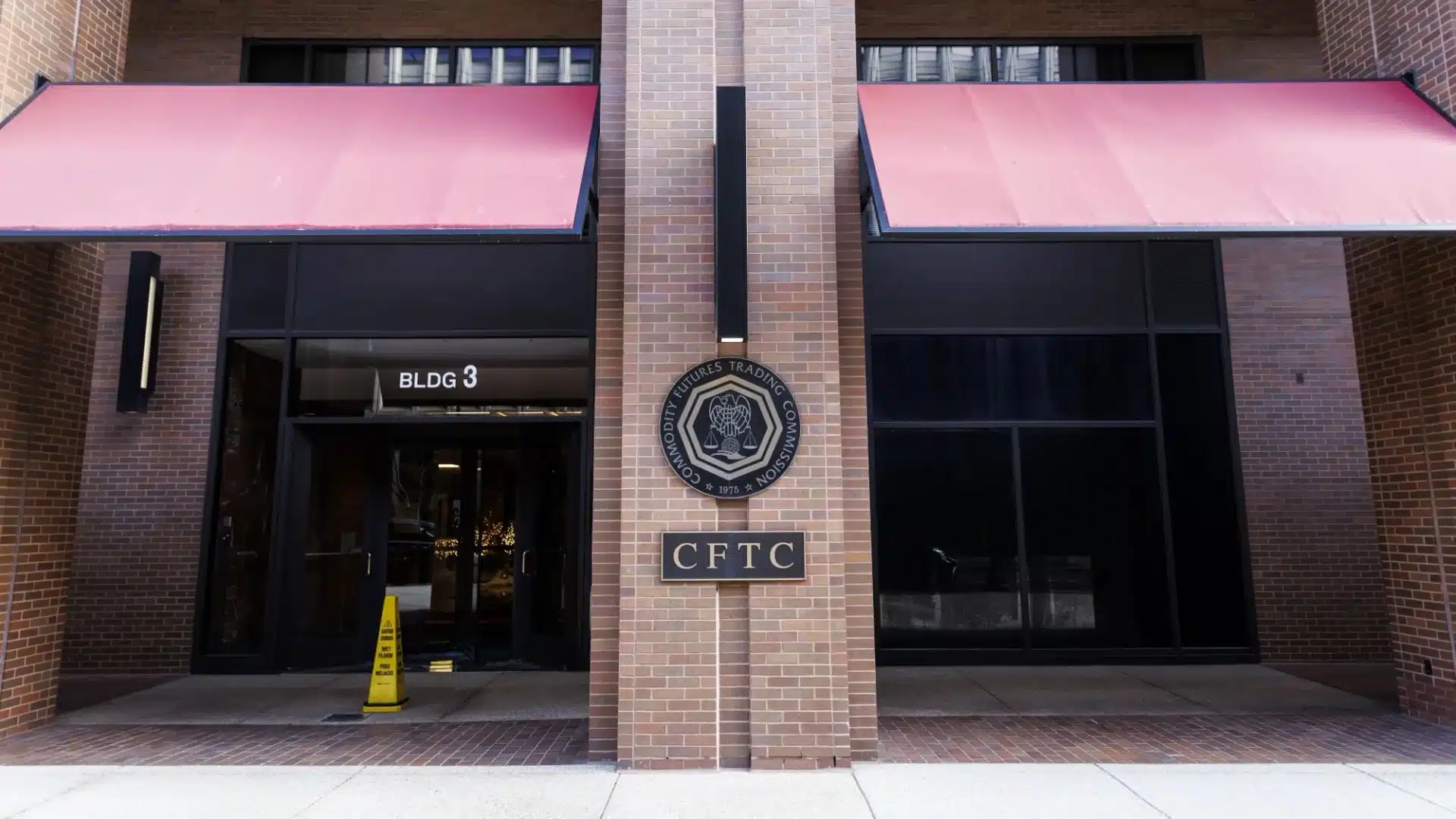
The CFTC has sent the White House two proposed rules that would reshape how U.S. prediction markets operate. WSJ reports the rules would classify event contracts as swaps while explicitly excluding casino-style gambling products. The move aims to clarify the agency's authority over platforms like Kalshi and Polymarket, but faces a legal roadblock: Bitcoin News notes a recent federal appeals court ruled sports contracts are not swaps under existing law.
The dispute pits federal regulators against states claiming their own gambling jurisdiction. Games Hub explains the casino-products rule is designed as an interim final rule that could take effect immediately upon publication. The outcome will determine whether prediction-market firms like Robinhood—which reported $156 million in event-contract revenue in Q2 2024—can continue operating freely across state lines.
A Shadow Trading Firm Emerges From the Chaos
Alcedine Technologies, founded in 2024 by former mathletes Zack Chroman and Tanner Hoke, has quietly climbed into the top 10 of U.S. regulated prediction markets. WSJ reports the firm operates with almost no public profile despite moving hundreds of millions or even billions of dollars monthly on exchanges like Kalshi. The two founders represent a new generation of quantitative traders betting on elections, sports, and world events.
Federal Court Rejects CFTC's Swap Classification
The CFTC's new rules face an uphill legal battle. The Sixth Circuit Court recently ruled that sports outcomes are not financial swaps in the traditional sense. Bitcoin News explains the court reasoned that sports are not inherently economic like interest-rate changes are. Indirect effects on broadcasters or sponsors do not qualify contracts as swaps under federal commodities law.
The decision affirmed Ohio's victory against the CFTC and lifted an injunction that had blocked Tennessee from enforcing its own gambling laws. This ruling signals courts may not defer to federal regulators when states claim gambling authority. The CFTC's new proposal may need to overcome similar judicial skepticism.
Robinhood and Prediction Markets Drive Massive Revenue
Prediction markets have become a significant profit engine for trading platforms. Robinhood generated $156 million from event contracts in the second quarter of 2024—surpassing both its equities and cryptocurrency trading revenue. Games Hub notes these products are now a core business line for major brokers, making the CFTC's regulatory clarity critical to their expansion plans.
CFTC Commissioner Authority and Regulatory Timeline
CFTC Chairman Mike Selig currently serves as the agency's sole commissioner, meaning he is making major regulatory determinations without input from other commissioners. This unusual setup concentrates power in one person and may accelerate the rule-making process. The casino-products rule could take effect upon publication, though the swap-definition rule will likely go out for public comment first, delaying final implementation.
Sentiment
Mostly NegativeNEGATIVENEUTRALPOSITIVE
Publishers
20
Articles
2
Reach
22
A
AnonymousAuthor


