Rising Fuel Costs
Florida gas prices rise following Labor Day while Michigan averages decline
Anonymous
Key Points
1
AAA recommends several ways motorists can reduce fuel consumption, including avoiding hard acceleration and unnecessary idling, keeping tires properly inflated, combining errands, removing unused roof racks, and following manufacturer maintenance recommendations. AAA also says premium fuel offers no added benefit unless the vehicle requires or recommends it.
2
Diesel prices have risen sharply compared with a year earlier: Florida diesel averaged $3.63 per gallon last year versus $5.68 currently, while the national average increased from $3.70 to $5.90.
3
Gas prices varied notably across South Florida, averaging $4.06 per gallon in Palm Beach County, $3.95 in Broward County and $3.93 in Miami-Dade County.
4
Florida electric-vehicle drivers paid an average of about 41 cents per kilowatt-hour at public charging stations on Sunday, a rate that had remained largely unchanged since early March.
5
Orlando prices remain below recent peaks: the city reached an average of $4.8901 per gallon in June 2022 after the Russia-Ukraine war began, and later reached $4.436 during the conflict involving Iran.
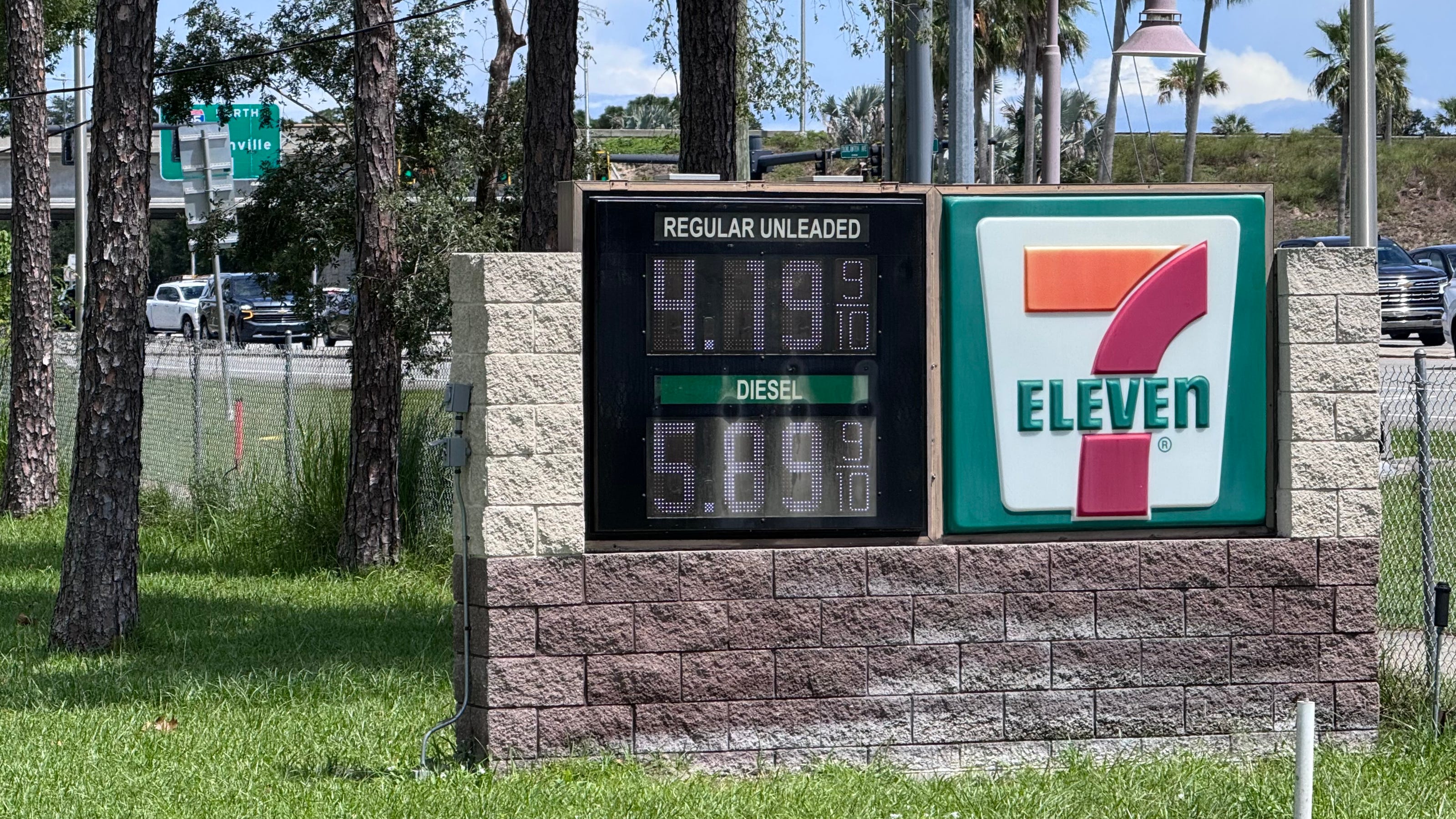
Florida gas prices jumped 18 cents overnight to $4.07 per gallon on September 9, topping $4 for the first time since late May, according to AAA. Meanwhile, Michigan's average fell 12 cents over the same week to $4.03 per gallon, showing sharp regional divergence. Nationally, gasoline averaged near $4.15 per gallon while diesel hit a record $5.90, straining household budgets and commercial operations alike.
The price spike defies the typical post-Labor Day decline when driving demand normally eases. Instead, elevated crude-oil prices, Middle East geopolitical tensions, and supply-chain disruptions are keeping fuel markets volatile. Florida drivers are paying roughly 80 cents to $1 more per gallon than a year ago—adding about $12 to each 15-gallon fill-up.
Why Florida Prices Rose While Others Fell
Seasonal factors normally push gas prices down after Labor Day as refineries switch to cheaper winter fuel blends and drivers reduce summer travel. AAA data shows this year's 18-cent jump bucked that trend entirely. Oil prices spiked to a six-week high due to Middle East conflicts and Strait of Hormuz tensions, overriding seasonal relief. Florida, more exposed to global oil shocks, saw prices climb while Michigan benefited from local supply dynamics.
Diesel's Steeper Rise Threatens Supply Chains
Diesel prices surged far more dramatically than gasoline. Florida diesel averaged $3.63 per gallon last year but hit $5.68 currently—a $2.05 jump. The national diesel average reached $5.90, up from $3.70 a year earlier, according to AAA. Diesel powers trucks, buses, and construction equipment, so these increases ripple through the economy.
Higher diesel costs raise transportation and operating expenses across industries. Freight companies face steeper fuel surcharges. Construction projects become pricier. Grocery stores and retailers pass costs to consumers. The cumulative effect pressures inflation even when gasoline moves more modestly.
Where Florida Drivers Pay the Most
Gas prices varied sharply across South Florida counties. Palm Beach County averaged $4.06 per gallon, while Broward County sat at $3.95 and Miami-Dade at $3.93, according to AAA. In Central Florida, Orlando had one station listing gas at $4.19, with the city average near $4.10. Jacksonville also hovered around $4.10. Orlando prices remain well below 2022 peaks—the city hit $4.89 per gallon in June 2022 after Russia invaded Ukraine, and later spiked during Iran conflicts.
Simple Ways Drivers Can Cut Fuel Costs
AAA recommends several fuel-saving tactics. Avoid hard acceleration and unnecessary idling. Keep tires properly inflated—underinflated tires waste gas. Combine errands into one trip rather than multiple runs. Remove roof racks when not in use; they increase wind resistance. Follow your car's maintenance schedule. Don't buy premium fuel unless your vehicle specifically requires it.
Electric-vehicle drivers face their own costs. Florida EV drivers paid an average of 41 cents per kilowatt-hour at public charging stations as of Sunday, a rate largely unchanged since early March. At current levels, substitution—choosing shorter, nearby trips instead of long drives—appeals to more households as $12 per fill-up adds real pressure to family budgets.
Sentiment
Mostly PositiveNEGATIVENEUTRALPOSITIVE
Publishers
19
Articles
45
Reach
64
A
AnonymousAuthor


