Beach Destinations Span Oregon, Georgia, Seattle
Beach Destinations Span Oregon, Georgia, Seattle
Anonymous
Key Points
1
Cleawox Lake’s swimming experience is described as free of waves, rip currents and surf, allowing visitors to wade in gradually on a sandy bottom rather than contend with Pacific Ocean conditions.
2
Palm Beach Island is intentionally presented as something more modest than a resort or theme park: families gather with lawn chairs along the sandy bank, and the site is portrayed as a genuine local community space.
3
The Palm Beach Island experience begins with hand-painted signage at the entrance, reinforcing the informal, small-town character of the man-made beach.
4
The Hawaiʻi discussions involve leaders from all four major counties, which are collectively dealing with flooding and storm damage while considering coastal retreat, improved access and backup power.
Beach lovers across the Pacific Northwest and beyond are discovering quiet alternatives to crowded ocean shores. Family Destinations Guide highlights hidden gems like Meyers Creek Beach near Gold Beach, Oregon, and Obstruction Pass State Park in Washington that offer peaceful seaside experiences. Meanwhile, freshwater lakes are drawing families seeking calmer waters and easier access—from Cleawox Lake near Florence, Oregon, to man-made beaches in Georgia and beyond.
From Oregon's sandy shores to Georgia's community gathering spots, these destinations share a common appeal: they prioritize relaxed, genuine experiences over resort amenities. In Hawaii, coastal leaders are tackling a different challenge—managing storm damage and discussing long-term coastal retreat strategies as climate impacts intensify.
Freshwater Lakes Offer Waves Without the Danger
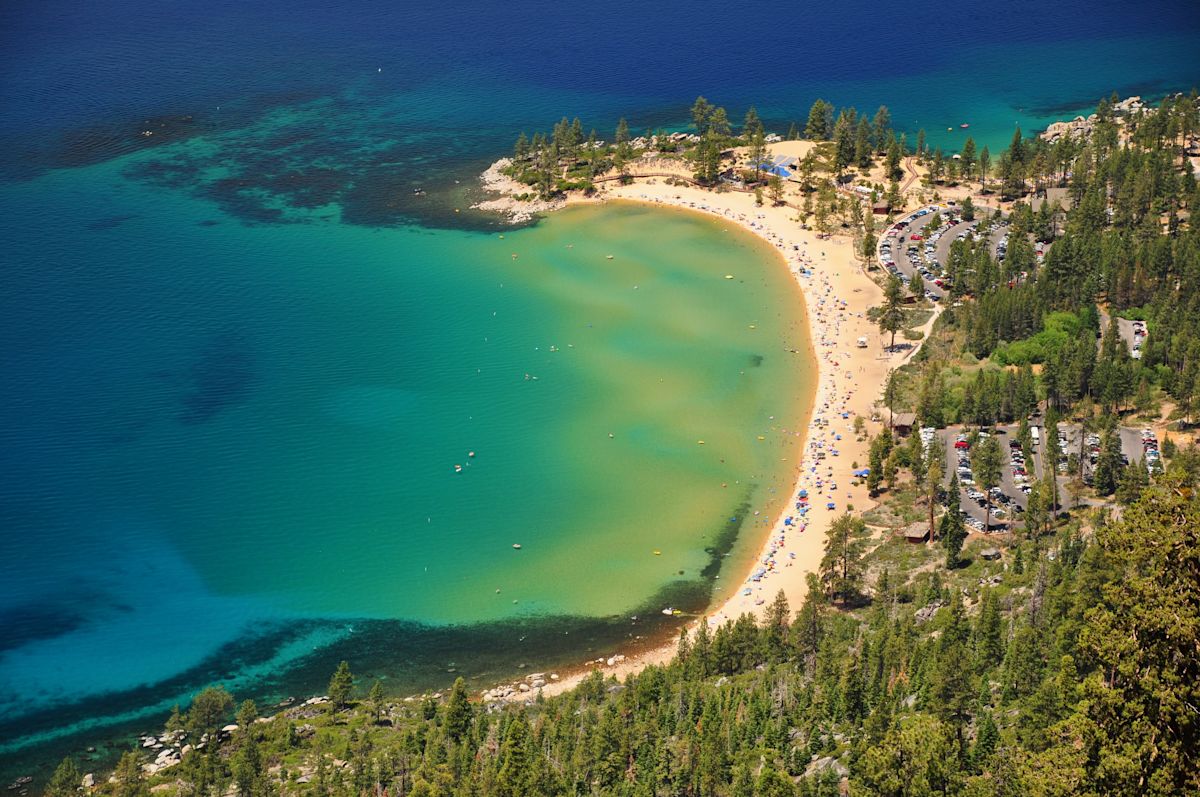
Cleawox Lake near Florence, Oregon, delivers a swimming experience free of rip currents, heavy waves, and rough surf. Visitors can wade in gradually across a sandy bottom, making it ideal for families with young children. The lake provides all the beach atmosphere of the Pacific Ocean without the hazards that come with coastal waters.
Yahoo Creator's Network reports that ten U.S. lake beaches offer sand, swimming, and scenery comparable to ocean getaways. Some are ringed by mountains, feature beach camping, or sit near vacation towns. These destinations attract summer visitors seeking genuine relaxation rather than crowded tourist infrastructure.
Small-Town Georgia Beach Builds Community, Not Crowds
Palm Beach Island in Swainsboro, Georgia, is a man-made freshwater beach designed as a low-key community space rather than a resort. Families gather with lawn chairs along the sandy bank in an atmosphere of deliberate modesty. Hand-painted signage at the entrance reinforces the informal, small-town character that sets it apart from commercial beach operations.
The site succeeds precisely because it rejects polished resort aesthetics. It functions as genuine gathering place where locals and visiting families experience authentic community interaction. This approach contrasts sharply with sprawling theme parks and luxury developments, offering instead a straightforward sandy beach experience.
Oregon and Washington Hide Beaches in Plain Sight
Family Destinations Guide identifies Meyers Creek Beach near Gold Beach, Oregon, as a secluded spot that feels more private than most public spaces. Just off U.S. Route 101, it remains overlooked by crowds seeking famous coastal attractions. Obstruction Pass State Park near Olga, Washington, ranks among the Pacific Northwest's most beautiful beaches, accessible only by ferry to a remote island location.
These hidden destinations appeal to travelers tired of packed parking lots and resort tourism. Their relative inaccessibility—whether by long drives or ferry crossings—naturally limits daily visitors. The trade-off of inconvenience yields genuine solitude and unspoiled shoreline experiences that major beach towns can no longer offer.
Hawaii Counties Grapple With Coastal Retreat and Storm Damage
Leaders from all four Hawaiian counties are discussing long-term coastal strategies as storm damage and flooding mount. Discussions focus on managed retreat from vulnerable shorelines, improved public beach access, and backup power systems for rural areas. These conversations reflect growing recognition that some coastal communities cannot be permanently defended against rising seas and intensifying storms.
The shift from coastal development to strategic retreat marks a significant policy shift across Hawaii's island communities. County officials are balancing immediate flood recovery with planning for inevitable future storms. Backup power and improved access emerge as near-term priorities while longer-term retreat conversations reshape how communities view permanent settlement in vulnerable areas.
Sentiment
Mostly NegativeNEGATIVENEUTRALPOSITIVE
Publishers
27
Articles
6
Reach
33
A
AnonymousAuthor


