WHO Global Health Crisis
WHO Faces Deep Funding and Authority Crisis Amid Rising Global Health Threats
Anonymous
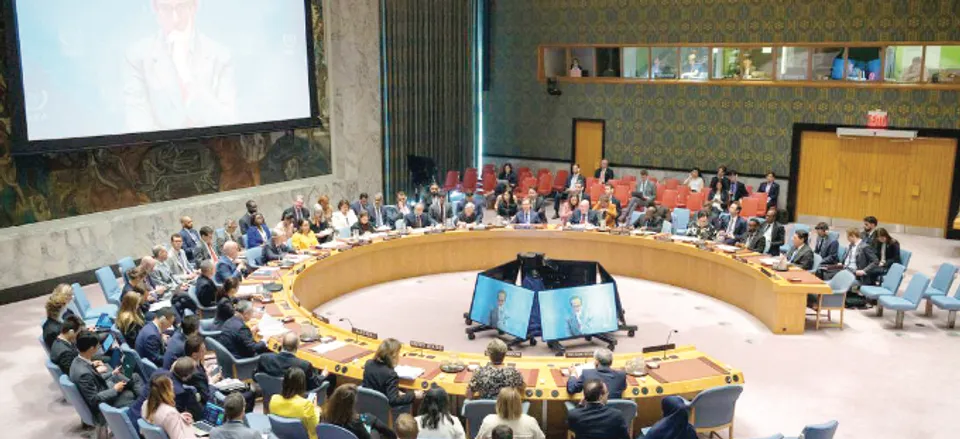
The World Health Organization is facing a crisis of funding, authority and confidence after criticism of its handling of COVID-19, while reforms are constrained by political and bureaucratic obstacles. Its funding gap is projected to reach nearly $1.9 billion for 2026–27, and President Donald Trump has ordered a halt to U.S. payments. At a 2026 United Nations General Assembly roundtable, health leaders are set to consider whether stronger regional platforms can complement global institutions and improve pandemic preparedness, equity and accountability. The discussion comes amid declining development assistance, debt pressures on lower-income countries and negotiations on an implementation annex to the WHO Pandemic Agreement.
Key Points
1
Since the WHO was established in 1948, the global burden of disease has shifted markedly: chronic noncommunicable conditions—including cardiovascular disease, cancer, diabetes and respiratory illnesses—now account for about three-quarters of deaths worldwide.
2
Joy Phumaphi, co-chair of the Global Preparedness Monitoring Board, warned that the world is not ready for another pandemic: “We are at a crucial time in the history of pandemic preparedness as a global community … [W]e definitely are not ready for the next pandemic.”
3
The planned roundtable cited climate-linked health threats and rising antimicrobial resistance, alongside gaps in access to vaccines, diagnostics and therapeutics, as pressures exposing weaknesses in global health systems.
4
Negotiators are working to finalize the Pandemic Agreement’s Pathogen Access and Benefit-Sharing annex by May 27, a step the roundtable organizers describe as essential to implementing the treaty.
Sentiment
Mostly PositiveNEGATIVENEUTRALPOSITIVE
Publishers
15
Articles
25
Reach
40
A
AnonymousAuthor


