Water Utility Cyberthreat
Cyberattacks target US water systems across seven states, threatening essential services.
Anonymous
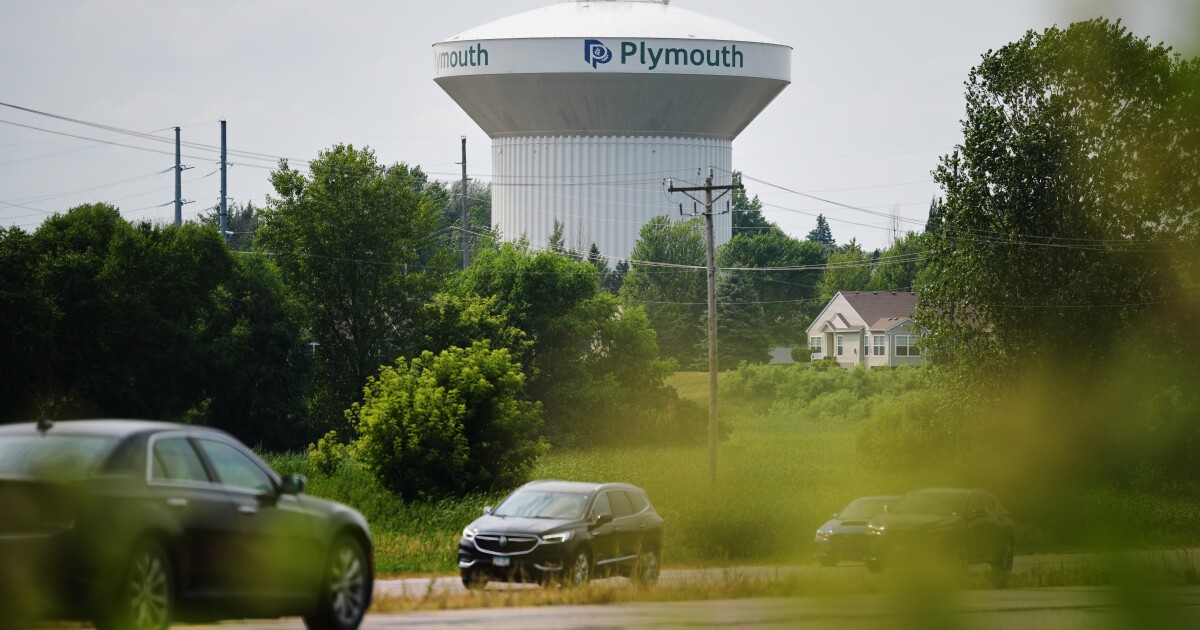
Cyberattacks have hit water facilities in at least seven states, making it one of the broadest assaults on critical utilities in years, according to KGUN9. The attacks targeted water and waste systems in Minnesota, Michigan, and other states, threatening services for everyday consumers, first responders, and military installations.
Federal agencies, including the FBI, have warned that foreign actors — possibly linked to Iran — may be behind the attacks, according to LEX18. There is currently no indication that drinking water has been contaminated in any of the affected states.
Seven States Hit in Sweeping Water System Attacks
The attacks struck water and wastewater systems across at least seven states, according to KPAX. Minnesota and Michigan were among the hardest-hit areas. Experts call this one of the most widespread escalations against critical utility infrastructure in several years.
Water systems serve more than just homes. They also support fire departments, hospitals, and military bases. A disruption to local water supply could slow emergency response times and cut off resources that military installations depend on, KTNV reported.
Small Budgets and Old Equipment Leave Plants Exposed
Most local water utilities run on tight budgets. They often have small IT teams and rely on older equipment that is harder to defend against modern cyberattacks, according to KXLF. That combination makes them easy targets for hackers.
Unlike large power companies or banks, small water plants rarely have the funds to upgrade their systems or hire cybersecurity experts. This gap in protection has long worried federal officials who track threats to U.S. infrastructure, KGUN9 reported.
Iran Suspected as FBI Warns of Foreign Threat
U.S. cybersecurity experts believe Iran may be connected to the attacks, according to LEX18. Iran has been flagged before for targeting American infrastructure. Experts warn that hitting civilian water systems could be a way to pressure military bases that rely on those same utilities.
The FBI and other federal cyber agencies have issued warnings about the risk of foreign actors targeting water facilities. Officials see this as a potential terror threat, not just a nuisance, KPAX reported. The goal may be to create chaos and strain emergency resources at the same time.
No Contamination Found, But Threat Remains Real
Despite the scale of the attacks, officials say drinking water has not been contaminated in any affected state, according to KTNV. Authorities are still working to assess the full damage and shore up defenses at vulnerable facilities.
Federal agencies are urging water utilities to update their software, strengthen passwords, and report any suspicious activity immediately. The concern is not just about today's attack — it is about stopping the next one before it causes lasting harm, KXLF reported.
Sentiment
NeutralNEGATIVENEUTRALPOSITIVE
Publishers
5
Articles
4
Reach
5
A
AnonymousAuthor


