Water System Cyberattacks
FBI Investigates Cyberattacks on Michigan and Minnesota Water Systems Amidst Warnings of Iranian Threats
Anonymous
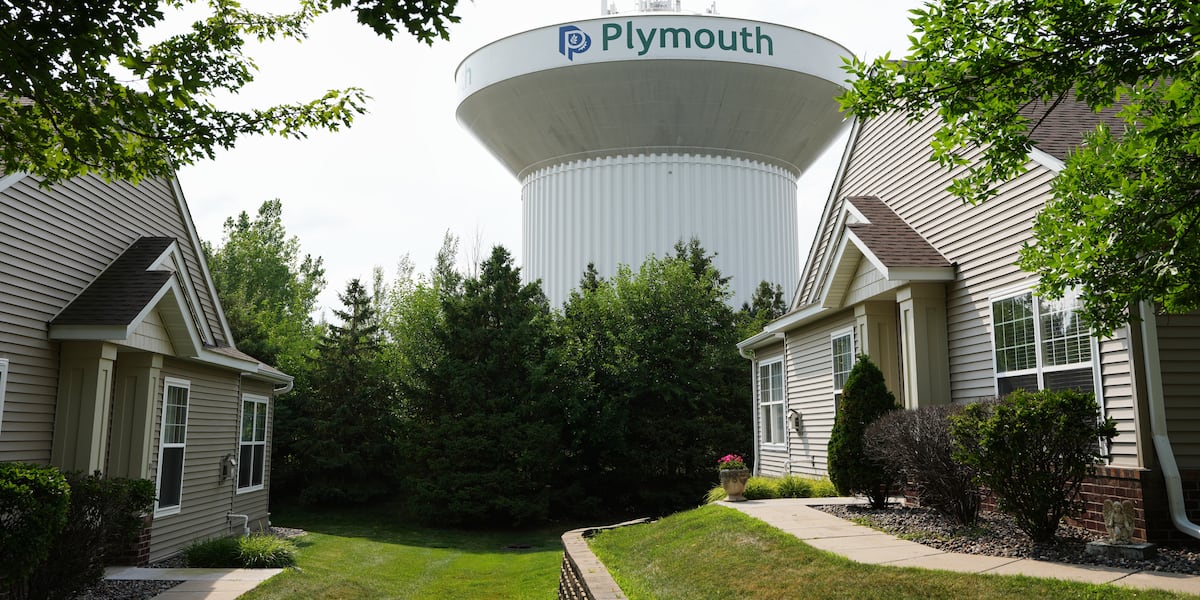
Cyberattacks have hit nine Michigan water systems and more than 36 in Minnesota, with the FBI now actively investigating the source WECT. State officials say all affected systems are operating safely, but the wave of attacks — spanning at least seven states — has put the nation's water infrastructure on high alert WFSB.
The FBI has not yet named a suspect publicly. But federal agencies have already warned that Iranian-backed hackers have been targeting water and wastewater systems across the country WBTV. The attacks hit systems that use internet-connected computers to control pumps, valves, and water monitoring equipment.
How Hackers Broke Into Water Control Systems
The attackers focused on Programmable Logic Controllers — small industrial computers that run physical equipment like water pumps and valves. Hackers connected to these devices remotely over the internet. They changed IP addresses and locked local operators out by setting new passwords on previously unsecured machines, according to a joint FBI and EPA advisory.
Minnesota IT Services said most confirmed attacks targeted the remote monitoring technology that water systems use to track and control equipment KCRG. That does not mean water service was cut off. Many utilities switched to manual operations and kept water flowing safely while they worked to restore their systems.
Iranian Hackers Suspected Amid Ongoing U.S.-Iran Conflict
CISA, the FBI, and the EPA issued a formal advisory warning that Iranian cyber groups have been targeting water systems and other critical infrastructure WALB. The suspected culprits include a group called CyberAv3ngers, linked to Iran's Revolutionary Guard. They used the same playbook in 2023, breaching a Pennsylvania water station by targeting unsecured industrial controllers.
Security experts say the attacks are not random. Hackers are going after "very low-hanging fruit" — small, rural utilities using factory-default passwords on internet-exposed equipment. Cybersecurity firm Dragos warned that deeper access to these systems could allow attackers to manipulate chemical levels or water pressure, creating real public health risks.
Trump Blames Minnesota While States Demand Federal Help
President Donald Trump rejected the Iran attribution at a July 31 Cabinet meeting. "I don't think so, I think I blame it on Minnesota because they're grossly incompetent," Trump said. Minnesota Gov. Tim Walz fired back, saying Trump "knows exactly who is responsible" and calling the attacks "what modern warfare looks like."
Walz also pointed to federal budget cuts, saying DOGE "took an axe to CISA and left the U.S. exposed." CISA — the nation's top cyber defense agency — reportedly lost nearly 1,000 employees, roughly a third of its workforce, after budget reductions under the Trump administration KWCH.
Michigan Officials Say Water Is Safe, Repairs Underway
Michigan's Department of Environment, Great Lakes, and Energy confirmed nine water systems were hit. Communications Director Dale George said: "All systems continued to operate safely, issues were addressed by local operators, and there are no known impacts that posed a public health concern" WDAM.
Federal agencies are now urging every U.S. water utility to take three immediate steps: disconnect controllers from the public internet, change all default factory passwords, and make sure manual override systems work KAIT8. Experts warn that fixing bricked controllers requires specialized technicians, putting financial strain on already underfunded local water systems.
Sentiment
NeutralNEGATIVENEUTRALPOSITIVE
Publishers
27
Articles
27
Reach
27
A
AnonymousAuthor


