Critical Water Infrastructure Targeted
Federal Investigators Link Iran to Cyberattacks Disrupting Water Systems Across Seven States
Anonymous
Key Points
1
In Minnesota alone, about 30 water systems were affected by the cyber intrusions, with investigators noting the likely goal was to cause a loss of water pressure and raise the risk of contamination, though no contamination has been reported.
2
Federal authorities said the broader wave of attacks spread to at least seven states, with most confirmed breaches involving programmable logic controllers—the same pathway that federal agencies had warned about.
3
The disruption coincided with a notable uptick in energy-sector profits, with Chevron’s second-quarter profit nearly five times higher than a year earlier and Exxon Mobil’s profit more than doubled.
4
Security experts warned the incident could foreshadow broader threats to critical infrastructure, including potential power-grid disruptions, underscoring the urgency of hardening industrial-control systems.
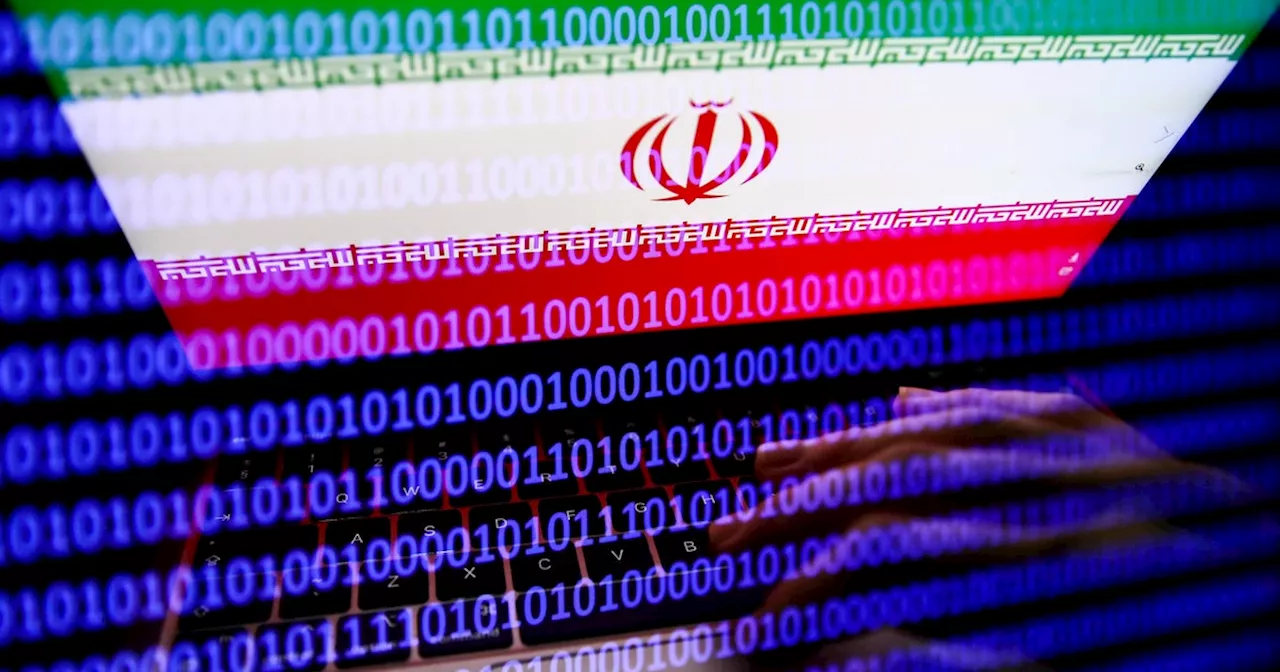
Iranian-linked hackers have struck water systems across at least seven U.S. states, disrupting more than 36 municipal facilities in Minnesota alone, according to The New York Times and Wired. Federal investigators say the attackers exploited programmable logic controllers — the small computers that run pumps and valves — to knock plants offline and force towns to switch to manual operation.
No water contamination has been confirmed. But officials warn that sudden drops in water pressure can allow bacteria to enter pipes — a serious public health risk. President Trump publicly rejected the Iran finding at a July 31 Cabinet meeting, blaming Minnesota and Governor Tim Walz instead. "Iran's got bigger problems than worrying about Minnesota," Trump said.
How the Attacks Hit 36 Minnesota Towns
The coordinated strike began July 26 and spread fast. The small city of Braham, Minnesota — population 1,700 — woke up Monday, July 27, to find its water plant offline for "unknown reasons." Officials asked residents to cut water use immediately. Technicians confirmed a "malicious cyber-attack" and brought the plant back online that same day, according to WQOW.
By Tuesday, July 28, Minnesota IT Services had activated the state's full cyber emergency response. State Chief Information Security Officer John Israel confirmed that 36 community water systems were hit. The city of Plymouth, population 80,000, was among the larger systems forced to disconnect equipment and switch to manual control to stay safe, according to Cedar News.
Iran Blamed by Feds, Dismissed by Trump
On July 22, the Cybersecurity and Infrastructure Security Agency (CISA) had already issued an urgent warning about "ongoing Iranian-affiliated cyber targeting" of the exact type of controllers hit in Minnesota, according to Cedar News. Federal and state investigators told The New York Times and Wired that Iran or Iran-backed hackers were the likely culprits. The group CyberAv3ngers — tied to earlier attacks on U.S. water plants in 2023 — is under scrutiny.
Trump brushed that off at Camp David on July 31. He called Walz "the corrupt governor of Minnesota" and said he thought the state itself was to blame. Walz fired back on social media: "Trump knows exactly who is responsible for this attack and knows that other states were hit too." Walz also accused DOGE — the Trump cost-cutting office — of gutting CISA and leaving the country exposed.
Experts Warn Attribution Is Hard But Signs Point to Iran
Former FBI cyber official Cynthia Kaiser put it plainly: "I think most credible researchers and responders would be right to treat it like it's Iran until proven otherwise. When it walks like a duck and talks like a duck, it's really important to call it out." The attacks match a method Iran has used before. In 2023, CyberAv3ngers hit a water plant in Aliquippa, Pennsylvania using the same type of controllers targeted now, according to Head Top News.
But experts urge caution. Vassil Roussev, director of the LSU New Orleans Cyber Center, noted that "cyberattack attribution is typically very difficult and inherently uncertain." Other actors can copy Iran's methods to hide their tracks. The FBI and EPA have both urged utilities to remove control systems from the open internet — the simplest fix to block this type of attack, according to Rapid City Journal.
Oil Giants Post Record Profits as Cyberattacks Hit Home
The same week the water attacks made headlines, Chevron reported $12.1 billion in second-quarter profit — nearly five times its $2.5 billion profit from a year earlier. ExxonMobil posted $14.5 billion, more than double its year-ago figure. Their combined haul: $26.5 billion in a single quarter. The gains stem from the U.S.-Iran military conflict that began February 28, which has squeezed global oil supplies, according to Kearney Hub.
American drivers are paying a national average of $4.11 per gallon at the pump. Security researcher Joe Slowik of Dataminr warned that the water attacks are likely not isolated: "It is not a secret that these things have been taking place since the spring. There have been disruptions in multiple critical infrastructure sectors." Experts fear future attacks could target the power grid next, according to WQOW.
Sentiment
Mostly NegativeNEGATIVENEUTRALPOSITIVE
Publishers
64
Articles
462
Reach
526
A
AnonymousAuthor


