Political Cyberattack Blame
Trump Blames Minnesota for Water Cyberattack While Officials Point to Iran
Anonymous
Key Points
1
Trump labeled Minnesota leadership as grossly incompetent and explicitly blamed Governor Walz for the water-system cyberattack, suggesting political mismanagement rather than external blame.
2
U.S. and Minnesota officials have been briefed that Iran was likely responsible for the attack, with The New York Times reporting investigators think Iranian hackers carried it out and that other states were affected.
3
Despite the cyber incidents, officials said there was no ransom demand and the drinking water remained safe while water and wastewater services continued to operate.
4
CISA warned of increased targeting of programmable logic controllers in the water and wastewater sector, signaling heightened risk to critical infrastructure.
5
Senator Amy Klobuchar said she requested a briefing from the Cybersecurity and Infrastructure Security Agency on the ongoing investigation and potential foreign involvement, highlighting interagency coordination.
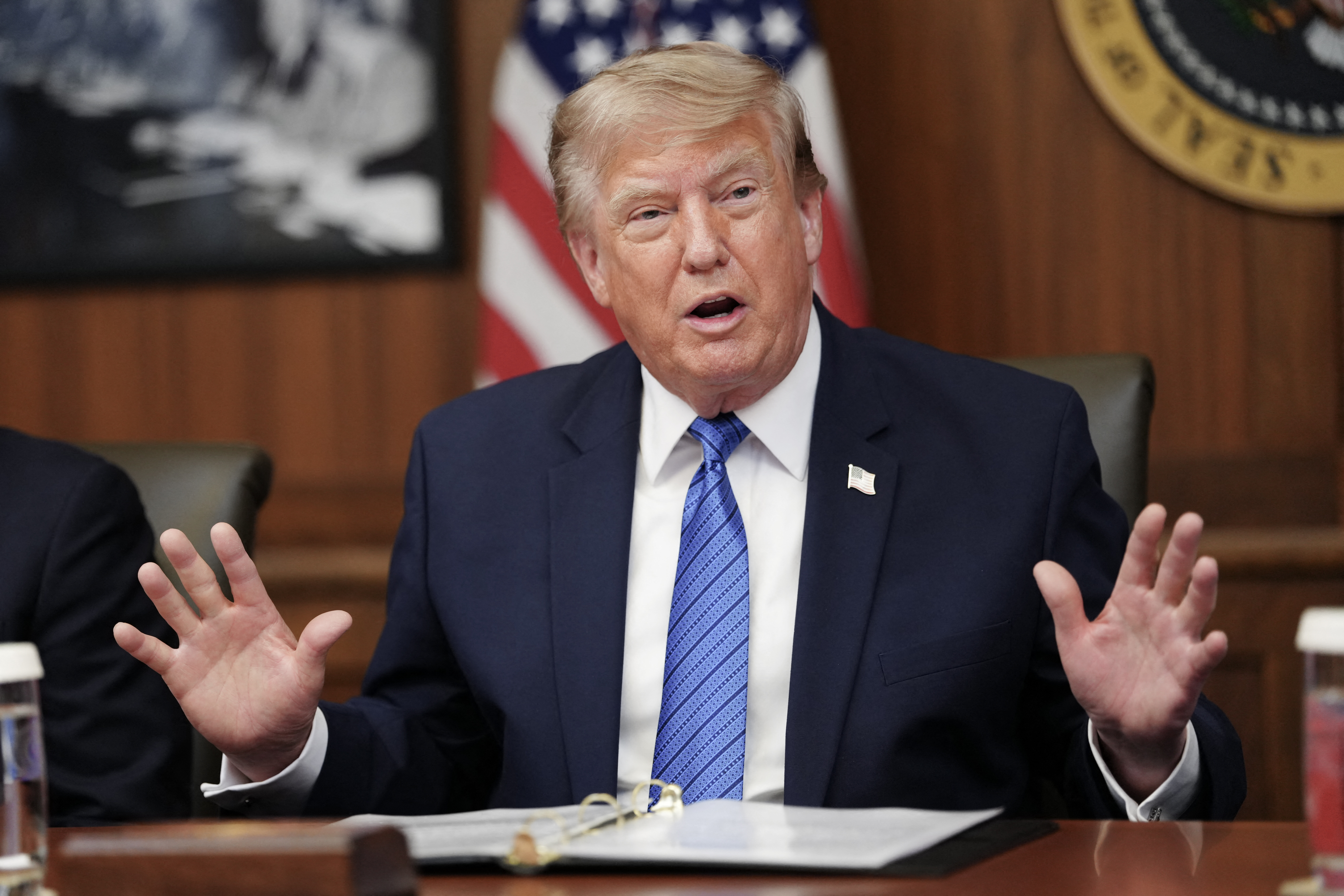
President Trump publicly blamed Minnesota Governor Tim Walz and state officials for cyberattacks on more than 30 water systems, calling them "grossly incompetent" — even as federal investigators pointed to Iran as the likely culprit. ABC News reported that Trump rejected the foreign-actor explanation and insisted the hack reflected failures by state leadership, not an outside enemy.
The Star Tribune reported that officials stressed drinking water remained safe and services kept running throughout the incident. No ransom demand was made. But the political fight over who — or what — is to blame has grown sharp.
Trump Points at Walz Instead of Tehran
Trump's comments marked a striking break from his own administration's investigators. U.S. officials had been briefed that Iran was likely behind the attacks, according to NBC News. But Trump went a different direction. He called Minnesota's leadership "grossly incompetent" and suggested the hack was a symptom of political mismanagement at the state level.
Newsweek reported that Trump blasted Walz directly, framing the cyberattack as a failure of Democratic governance. He ultimately declared there was no Iranian cyberattack at all — a conclusion that directly contradicted what federal investigators had assessed.
Federal Investigators Suspect Iran Carried Out the Hack
Behind the scenes, the picture looked different. ABC News reported that U.S. officials were investigating whether Iran or Iranian-linked hackers carried out the attacks. Investigators briefed state and federal leaders on Iran as the most likely source. The New York Times also reported that hackers with ties to Iran were believed responsible and that other states beyond Minnesota may have been hit.
Senator Amy Klobuchar said she asked the Cybersecurity and Infrastructure Security Agency — known as CISA — for a full briefing on the investigation and any foreign involvement. That request signaled that key lawmakers were not ready to accept Trump's domestic-blame framing and wanted answers from the agencies doing the actual work.
CISA Warns Water Plants Face Growing Cyber Risk
CISA had already been sounding alarms before this attack. The agency warned that programmable logic controllers — the computer systems that run physical equipment inside water and wastewater plants — are increasingly being targeted by hackers. These controllers manage pumps, valves, and treatment systems. A successful attack on them could disrupt water service or worse.
The Star Tribune noted that despite the scale of the attack — hitting more than 30 plants — officials said water quality was never compromised and service continued. Still, the episode exposed real gaps. Utility operators were urged by federal agencies to follow security guidelines and reduce their exposure to outside networks.
A Political Dispute That Muddies the Investigation
The core tension here is simple: investigators say Iran, Trump says Walz. That gap matters. When a president publicly rejects the attribution his own agencies are working toward, it creates confusion about who the U.S. holds responsible — and what the response should be. Yahoo News reported that Trump's comments came even as officials were still actively investigating possible foreign involvement.
Attribution of cyberattacks is rarely instant. Investigators trace code, tactics, and infrastructure across borders before making a call. Doing that work is hard enough. Having the president declare a different answer — before the investigation closes — adds a layer of political noise that experts say can slow the process and muddy accountability.
Sentiment
Mostly NegativeNEGATIVENEUTRALPOSITIVE
Publishers
13
Articles
7
Reach
20
A
AnonymousAuthor


