Kenya Plans Massive Oil Refinery
Kenya Advances Sh2 Trillion Lamu Refinery Project With Public Share Plans
Anonymous
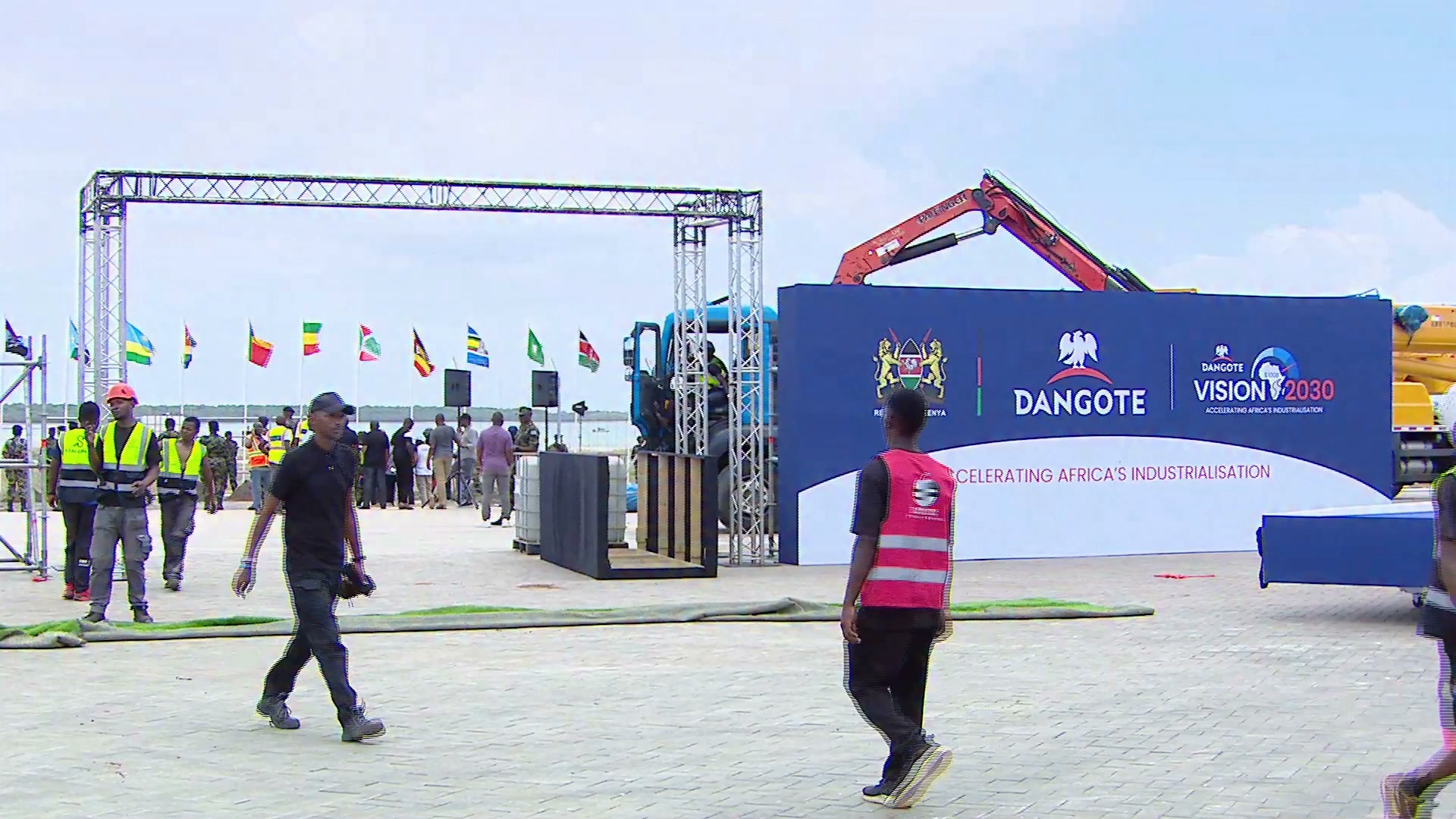
Kenya is advancing a proposed Sh2 trillion (about $15 billion to $17 billion) Lamu refinery designed to process about 700,000 barrels of crude a day and include a 1,000-megawatt power plant, with the project expected to generate tens of thousands of jobs. Engineers India Ltd has been selected to provide project-management and engineering services, and President William Ruto says the government will take a stake and offer Kenyans shares through the Nairobi Securities Exchange. Local youth groups support the investment but want clear information on hiring, qualifications and training before recruitment and contracting begin; local entrepreneurs also see potential in catering, port services and other supplier businesses. Officials say the refinery could strengthen regional fuel supplies and spur investment and related industries, including petrochemicals and manufacturing. Development faces risks including land disputes, uncertainty over execution and crude supply; some feedstock could come from Turkana, with the rest sourced regionally or internationally.
Key Points
1
The Lamu project is being modelled on the Dangote refinery in Lagos. Engineers India Ltd cited its work as a project-management and EPCM consultant on Dangote’s refinery and its planned expansion as relevant experience for the Kenyan venture; Dangote’s facility is targeting capacity of 1.4 million barrels a day by 2029.
2
President Ruto accused opponents of trying to sabotage the investment and invoked Aliko Dangote’s earlier failed attempt to establish a cement company in Kenya, alleging it was undermined by excessive conditions and extortion. Ruto said Kenya should facilitate investors rather than impose such conditions.
3
Officials said crude from the South Lokichar fields in Turkana could supply part of the refinery’s feedstock once production is expected to begin in December 2026; the balance would be imported. The refinery is intended to produce products including LPG, naphtha, petrol feedstock, jet fuel, kerosene, diesel, heavy fuel oil and bitumen.
4
The land disputes threatening the project are rooted in longstanding coastal tenure problems, including contested titling, absentee landlords and squatters’ claims based on long-term occupation.
Sentiment
Mostly NegativeNEGATIVENEUTRALPOSITIVE
Publishers
19
Articles
3
Reach
22
A
AnonymousAuthor


