New Pentagon Religious Office
Pentagon Establishes New Office of Religious Affairs to Enhance Spiritual Readiness
Anonymous
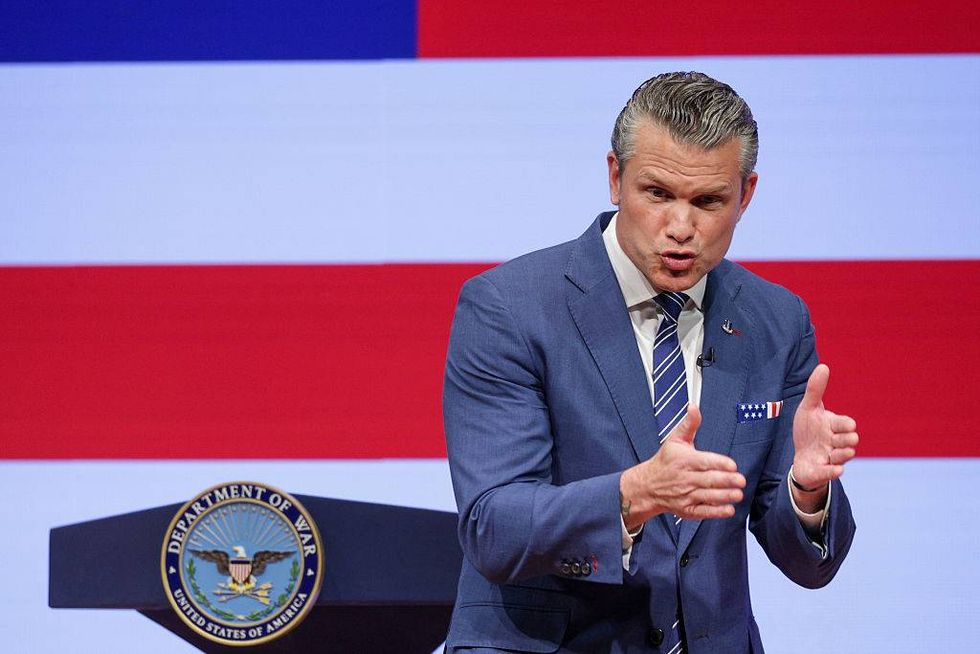
U.S. Defense Secretary Pete Hegseth announced the creation of a new Pentagon Office of Religious Affairs on Wednesday, tasked with boosting the moral, ethical, and spiritual readiness of military personnel. PBS reports the office will report directly to Hegseth and provide "first-class religious support" across the armed forces.
The move marks Hegseth's latest faith-focused initiative at the Pentagon. Audacy notes the director of the new office will oversee resource advocacy, planning, programming, budgeting, and spiritual readiness—but critics argue Hegseth is using his evangelical Christianity to advance a political agenda and impose his beliefs on military personnel.
New Office Will Advocate for Military Chaplains
The Office of Religious Affairs (ORA) will serve as a dedicated advocate for military chaplains and their programs. LiveNow Fox reports the office will champion religious support services across all military branches. This centralized approach aims to ensure consistent spiritual resources for troops worldwide.
Previously, religious support was coordinated through various departments with less direct oversight. The new structure gives spiritual readiness a dedicated seat at Pentagon leadership, elevating its status within the defense establishment.
Hegseth's Expanding Role in Military Faith Initiatives
This announcement continues Hegseth's broader effort to reshape Pentagon policy around religious matters. Fox29 reports the Office of Religious Affairs is part of larger faith-related changes underway at the Department of Defense. Hegseth has made religious and moral readiness central to his vision for military leadership.
The direct reporting line to Hegseth gives him unprecedented influence over military spiritual affairs. Critics worry this centralizes religious authority in ways that could blur the line between personal faith and institutional military policy.
Growing Controversy Over Hegseth's Religious Influence
Opposition to Hegseth's religious initiatives spans both political parties. Audacy notes critics accuse him of using his evangelical Christianity to advance personal political goals. Some lawmakers have called for his removal, citing concerns he is abusing his position to impose specific beliefs on military personnel.
Military leaders traditionally maintain strict separation between personal faith and official duties. The new office raises questions about whether Hegseth's approach respects that tradition or crosses into favoring certain religious perspectives over others.
Sentiment
Mostly NegativeNEGATIVENEUTRALPOSITIVE
Publishers
23
Articles
144
Reach
167
Topics
A
AnonymousAuthor


