AI Maps the Moon
NASA and IBM use artificial intelligence and new orbit models to advance lunar exploration.
Anonymous
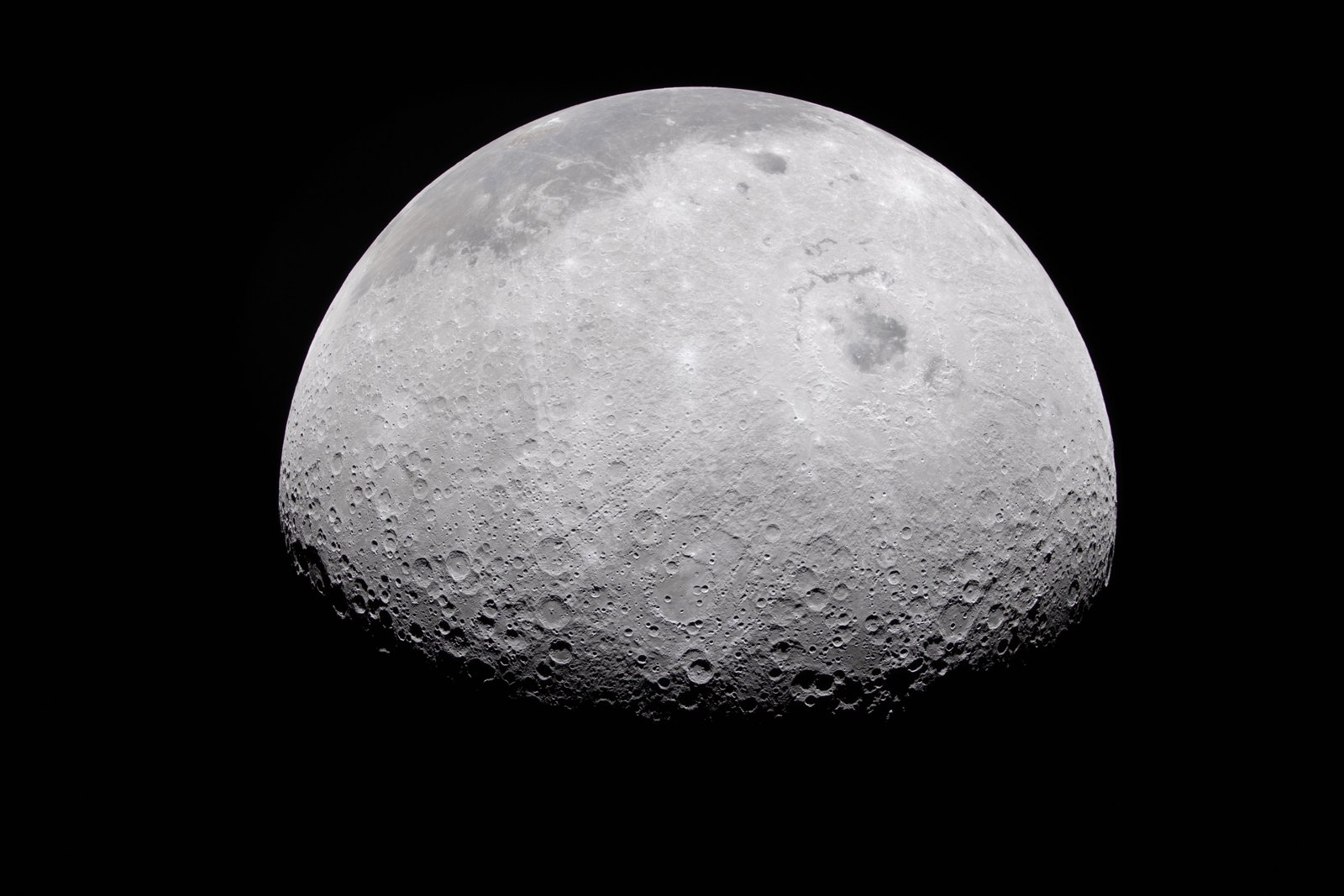
Researchers are using machine-learning methods to advance lunar exploration in two ways. A University of Colorado Boulder study clustered more than a million simulated lunar trajectories to identify families of low-altitude orbits that can last at least 180 days, potentially giving missions low-maintenance options for observation and communications. Separately, NASA and IBM released an open-source Lunar Foundation Model trained on millions of lunar image tiles and additional terrain, gravity and composition data, allowing researchers to adapt the system for tasks such as mapping craters and identifying promising areas for possible polar ice. The model’s predictions can help target follow-up observations, but do not confirm that ice is present.
Key Points
1
The Lunar Reconnaissance Orbiter illustrates the fuel savings possible with a carefully selected lunar orbit: it used just 33.9 kilograms of hydrazine over 12 years for station-keeping, phasing and momentum management.
2
The orbit catalog could support more than observation and communications: researchers note that long-lived lunar orbits could help track orbital debris and abandoned hardware, including Apollo-era lunar module ascent stages.
3
NASA Chief Science Data Officer Kevin Murphy said the model is intended to make NASA’s extensive scientific archive easier to explore and use, describing AI as an opportunity to turn large-scale data into discoveries.
4
The training set included exactly two million Lunar Reconnaissance Orbiter image tiles: one million images at one-meter resolution and 964,000 multispectral frames at 100-meter resolution.
Sentiment
Mostly PositiveNEGATIVENEUTRALPOSITIVE
Publishers
8
Articles
4
Reach
12
A
AnonymousAuthor


