Yanbu Oil Exports Restart
Saudi Arabia Resumes Oil Loadings at Yanbu Following Major Pipeline Repairs
Anonymous
Key Points
1
After loadings restarted, Yanbu exports were estimated at about 2 million barrels per day, while East-West Pipeline throughput was estimated at 2–2.65 million bpd. Returning to the pre-shutdown loading rate of roughly 5.5 million bpd could take another month; the pipeline’s capacity is 7 million bpd.
2
Satellite imagery from September 27 showed nearly 10 million barrels of crude being loaded at Yanbu and Al Muajjiz, alongside refined products. TankerTrackers.com said it visually identified 40 tankers in the imagery, regardless of their activity or proximity to the terminals.
3
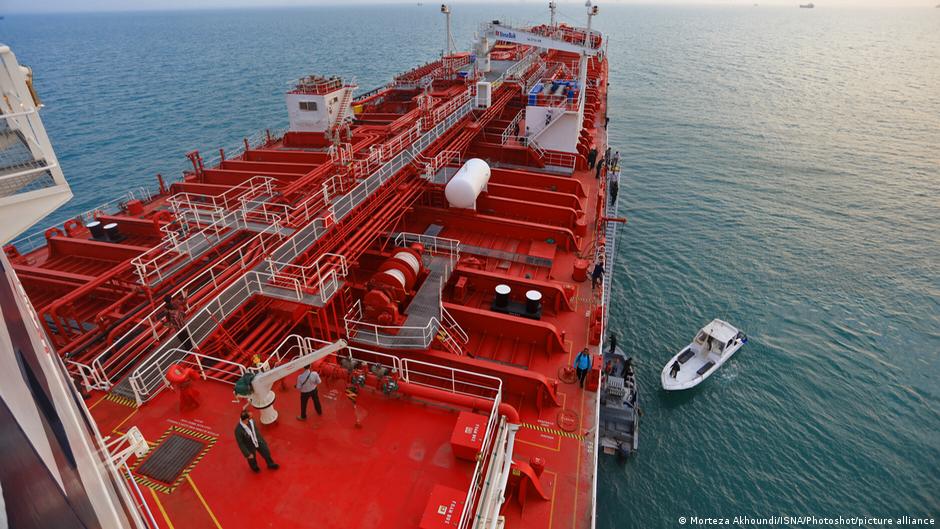
The security risks are contributing to exceptionally costly and lengthy tanker voyages: one VLCC was reportedly fixed to carry 270,000 tonnes of crude from the Red Sea to South Korea for $55 million, while some vessels are avoiding the southern Red Sea and Bab el-Mandeb and taking longer routes.
4
The U.S. Central Command said it had established Task Force Falcon to deploy one-way attack drones “from above, on, and below the sea,” with U.S. and regional partner military support staff, including personnel from Bahrain, jointly conducting the operation.
Saudi Arabia has resumed oil loadings at its Red Sea terminals after restarting the East-West Pipeline, which was shut down by a drone attack in September. The restart is rebuilding export flows, but current output of about 2 million barrels per day remains far below pre-shutdown levels of 5.5 million barrels per day Kpler. Security threats from Houthi attacks continue to disrupt tanker routes and drive up shipping costs dramatically.
European Space Agency satellite imagery from September 27 captured nearly 10 million barrels of crude and refined products being loaded at Yanbu and Al Muajjiz terminals. TankerTrackers.com identified 40 tankers in the imagery. Restoring full export capacity could take another month, with the pipeline's maximum capacity standing at 7 million barrels per day.
A Critical Pipeline Came Back Online After Weeks
The East-West Pipeline shut down on September 11 following a drone attack on pumping stations Reuters. Saudi Aramco resumed operations on September 22, marking the first major crude inventory build since the attack. By September 28, Saudi Aramco notified international customers of October loading schedules. The restart provides crucial relief after exports ground to a halt, easing fears of global oil shortages.
Current Yanbu export flows have climbed to roughly 2 million barrels per day, while the pipeline itself is pumping 2 to 2.65 million barrels daily Kpler. This represents solid progress but leaves a significant gap. Getting back to pre-shutdown loading rates of 5.5 million barrels per day could take another month of gradual ramp-up.
Shipping Chaos Keeps Tanker Costs at Record Highs
Despite the pipeline restart, tanker voyages remain extraordinarily expensive. One Very Large Crude Carrier was fixed to carry 270,000 tonnes of crude from the Red Sea to South Korea for $55 million. That translates to roughly $634,000 per day. Many vessel operators are avoiding the dangerous southern Red Sea and Bab el-Mandeb strait entirely, opting instead for longer routes via the Suez Canal or around Africa.
The rerouting and security concerns are tightening available vessel capacity across the region. Shipping analysts noted that Houthi threats in the Red Sea force ships to take detours that add weeks to voyage times. These delays and elevated costs are partially offsetting the supply relief that the pipeline restart provides to global crude markets.
U.S. Deploys New Drone Task Force to Protect Sea Lanes
The U.S. Central Command announced the formation of Task Force Falcon, a multinational drone operation integrating air, surface, and subsea uncrewed systems. Admiral Brad Cooper stated the move would "help us rapidly realize the new possibilities that are on the horizon." Personnel from Bahrain and other regional partners are jointly conducting operations to deter attacks on shipping.
The deployment signals an expanding Western military presence in the region but does not yet guarantee safe passage. The Times of Israel reported that while Middle East crude exports briefly exceeded pre-war levels in late September, tanker attacks resumed shortly after, raising fresh concerns about the fragility of the recovery.
Full Recovery Remains Weeks Away Despite Progress
The restart eases immediate worries about severe global crude deficits and takes downward pressure off oil prices. However, exports have not yet returned to their pre-shutdown pace, and ongoing regional tensions keep uncertainty alive. The gap between current 2-million-barrel-per-day flows and the target 5.5-million-barrel-per-day pre-shutdown rate underscores how much supply remains offline.
The pipeline's 7-million-barrel-per-day capacity sits well above pre-attack levels. Reaching that ceiling would require both a full security recovery and sustained confidence in Red Sea shipping lanes. The Hindu noted that despite crude exports briefly rising above pre-war levels, resumed attacks on shipping vessels have dampened optimism, keeping the energy market outlook cautious and volatile.
Sentiment
Mostly PositiveNEGATIVENEUTRALPOSITIVE
Publishers
37
Articles
97
Reach
134
A
AnonymousAuthor


