Saudi Pipeline Uncertainty
Saudi Pipeline Status Remains Unclear Following Conflicting Reports of Houthi Attack
Anonymous
Key Points
1
The pipeline runs about 1,200 kilometers from Saudi Arabia’s eastern oil fields to the Yanbu terminal on the Red Sea. Commodity tracker Kpler said flows had also been halted from Sept. 11 to Sept. 22.
2
Houthi military spokesman Yahya Saree said the group used missiles and drones in two operations against Aramco facilities, claiming the strikes caused large fires and “successfully achieved their objectives.”
3
Market analysis in Newsquawk noted that the pipeline’s spare capacity has historically limited the potential damage to Saudi exports from a Hormuz disruption; reports of normal operations can therefore unwind risk premiums, especially in prompt spreads and tanker rates.
4
A Bitget report said Aramco’s chief executive had stated the company was exploring new crude-export routes and expanding overseas storage to address short-term supply disruptions.
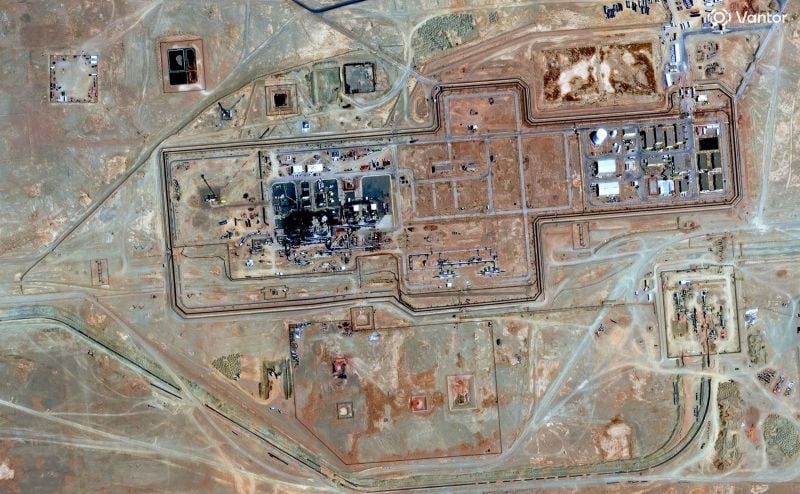
Saudi Arabia's East-West oil pipeline, a critical route that bypasses the Strait of Hormuz, faced conflicting reports on Tuesday after a fresh attack on pumping infrastructure near Khurais. Newsquawk initially reported the pipeline had halted following strikes claimed by Yemen's Houthis, but later sources told Reuters and Bloomberg that flows were operating normally, sending oil prices down more than $1 per barrel.
The 1,200-kilometer pipeline moves crude from Saudi Arabia's eastern oil fields to the Red Sea terminal at Yanbu, making it vital when the Strait of Hormuz faces disruptions. Houthi military spokesman Yahya Saree said the group struck Aramco facilities with missiles and drones in two operations, claiming large fires and successful hits. Saudi authorities and Aramco have not publicly confirmed damage or confirmed the pipeline's status.
Houthis Claim Successful Strikes on Oil Infrastructure
Yemen's Houthis claimed responsibility for attacking Saudi Aramco facilities in the Khurais area and Riyadh on Tuesday. Newsquawk reported that spokesman Yahya Saree said the group used both missiles and drones in the two-pronged operation. Saree stated the strikes caused large fires and "successfully achieved their objectives," typical language the militant group uses after major attacks on Saudi energy targets.
Pipeline Flows Reported Normal Despite Attack Claims
Hours after initial reports of a halt, sources told Reuters and Bloomberg that the East-West pipeline was flowing normally. Newsquawk cited these later reports, noting that such quick reversals are typical when markets feared major disruptions. Oil prices fell sharply on the news, dropping over $1 per barrel in prompt markets. The conflicting accounts left traders unsure whether damage had been repaired quickly or if the initial halt reports were inaccurate.
Pipeline's Spare Capacity Limits Broader Market Shock
The East-West pipeline's importance lies partly in its spare capacity, which historically cushions Saudi Arabia against export losses from Strait of Hormuz disruptions. Newsquawk noted that reports of normal operations can quickly unwind risk premiums, especially in spot crude spreads and tanker rates. Even if the pipeline had suffered temporary damage, spare capacity means Saudi exports can largely continue flowing, reducing the shock to global oil supplies.
Commodity tracker Kpler recorded a previous pipeline halt from September 11 to September 22. Aramco's chief executive recently stated the company is exploring new crude-export routes and expanding overseas storage to manage short-term supply disruptions. These measures suggest Saudi officials are preparing for potentially more frequent or sustained attacks on critical infrastructure.
Saudi Officials Silent as Uncertainty Lingers
Neither Saudi Arabia's government nor Aramco has issued public statements confirming the reported attack damage or providing updates on pipeline operations. The information vacuum has left markets relying on unattributed source reports and analysis from traders and commodity firms. Without official clarity, it remains unclear whether damage occurred and was rapidly repaired, or whether initial halt reports reflected incomplete or inaccurate information on the ground.
Sentiment
Mostly NegativeNEGATIVENEUTRALPOSITIVE
Publishers
18
Articles
29
Reach
47
A
AnonymousAuthor


