Voting Rights Debates
Voting access debates across multiple states focus on rights, barriers, and ballot participation.
Anonymous
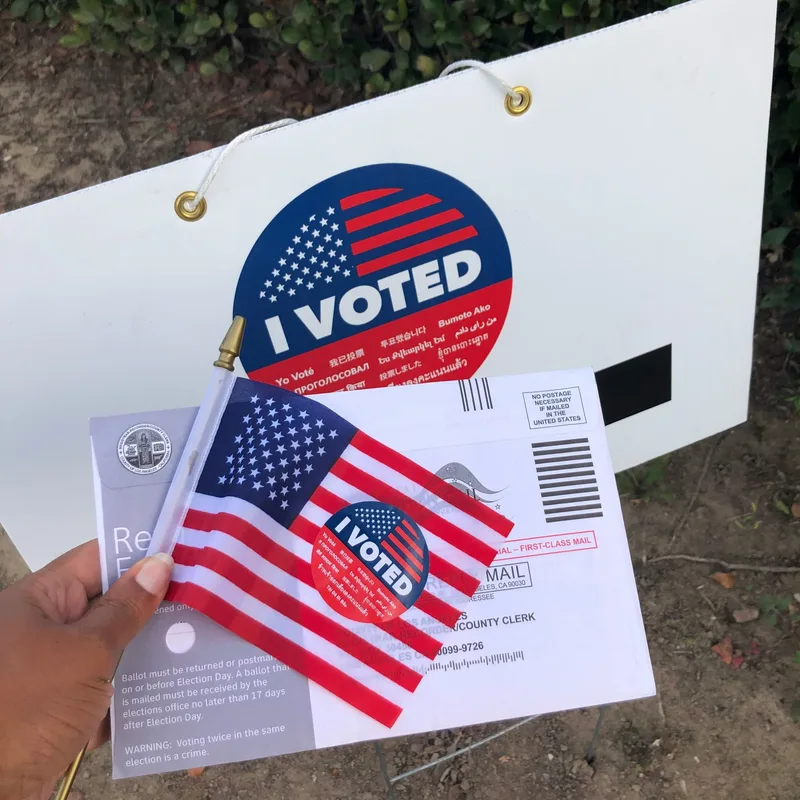
Across several debates, voting-rights advocates argue that coverage and policy should focus on voters’ ability to participate, not only on partisan consequences. In Virginia, voters will decide whether people convicted of felonies regain voting rights automatically upon release; supporters say restoration should not depend on the governor, while an opponent favors additional requirements such as restitution. A report on Colorado’s Native voters describes elevated rates of rejected registrations and ballots, and recommends stronger registration options and investment in voting infrastructure. In New York City, an opinion writer argues that closed primaries exclude more than a million independent voters, many of them people of color, and urges progressives to support opening them.
Key Points
1
In Virginia, restoring voting rights currently requires individual executive clemency from the governor, decided case by case. Holly Stevenson said her father’s experience of having his rights restored after serving his sentence—and voting early with her—shows the personal stakes of the proposed change.
2
The Colorado report found voter-registration applications were rejected at an average rate 200% higher in counties where tribal members make up at least a quarter of the population. It also reported that ballot rejection rates in areas with larger Native populations rose 134% between 2020 and 2024, despite an overall decline in mail voting.
3
The New York City opinion writer argues that closed primaries matter especially because primaries often determine local election outcomes, while general elections can be less consequential. The writer says closed primaries favor political insiders by allowing candidates to compete for a smaller electorate.
Sentiment
Mostly NegativeNEGATIVENEUTRALPOSITIVE
Publishers
16
Articles
2
Reach
18
A
AnonymousAuthor


