AI Missile Test
North Korea Tests AI-Assisted Intermediate-Range Missile Amid Heightened Regional Tensions
Anonymous
Key Points
1
Japan’s Defence Ministry assessed that the missile flew about 680 kilometres—shorter than South Korea’s estimate of more than 700 kilometres—and said it landed outside Japan’s exclusive economic zone.
2
A South Korea–U.S.-led United Nations Command inspection concluded that mines near the border had been planted by North Korea; the command said the incident violated the armistice agreement that ended the 1950–53 Korean War.
3
Kim Yo Jong described the test as a drill by a firepower sub-unit carrying out an “exclusive special mission”; the designation “strategic” was taken to suggest the missile could be intended to deliver nuclear weapons.
4
Analysts warned that North Korean missile technology could be advancing rapidly with Russian assistance, although the report did not provide evidence of such assistance.
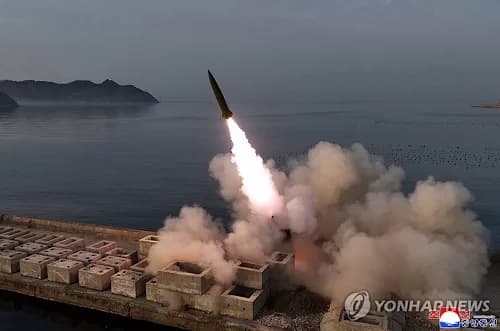
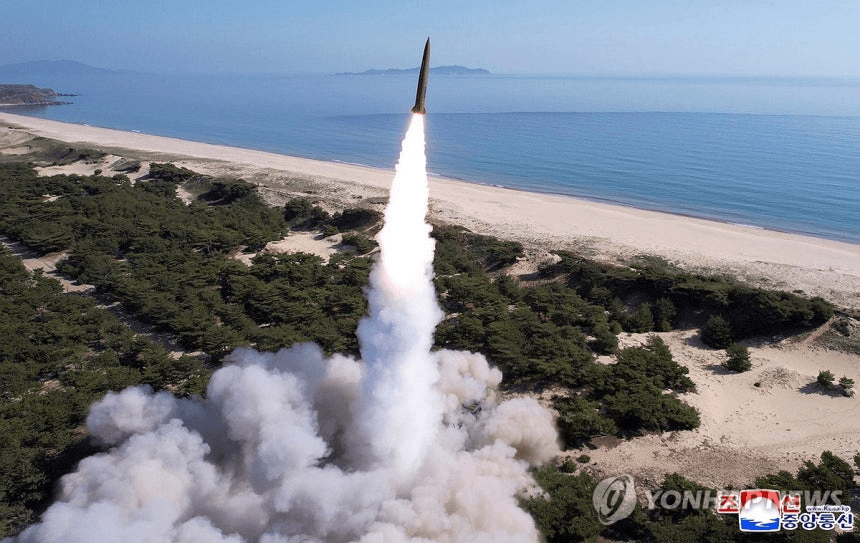
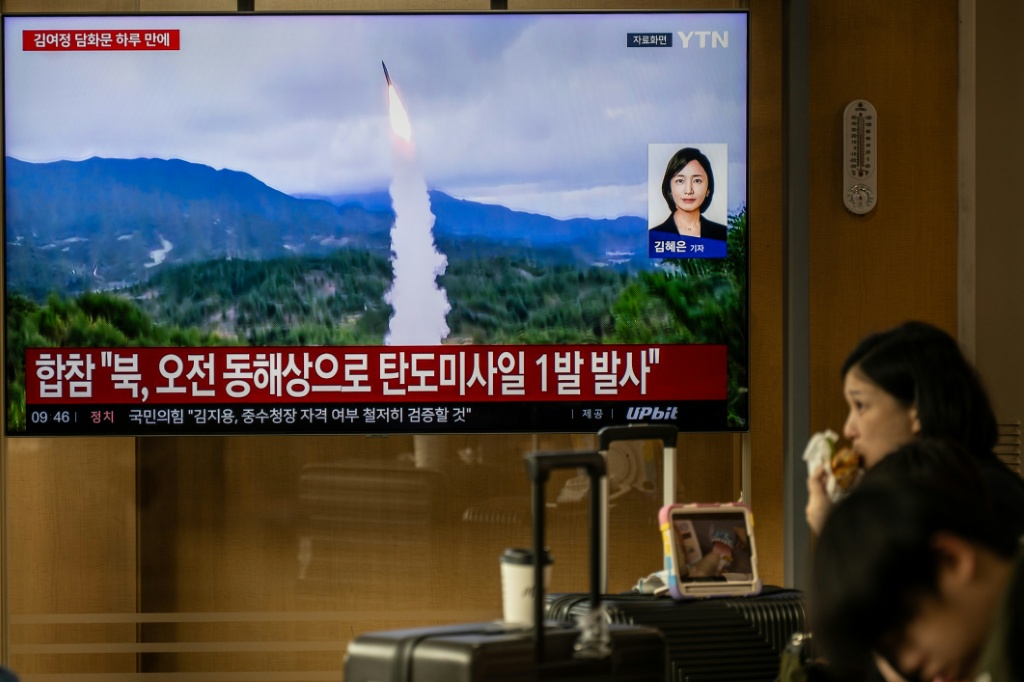
North Korea tested an intermediate-range missile equipped with artificial intelligence, according to AFP. Leader Kim Jong Un oversaw the launch, which Pyongyang claims can maneuver at low altitude and use AI to evade missile defenses. South Korea detected the test from Wonsan and said the missile flew more than 700 kilometers, while Japan assessed it traveled about 680 kilometers.
The launch intensifies tensions on the Korean Peninsula following a border incident where land mines wounded three South Korean soldiers. Times of Israel reported that Kim Yo Jong, Kim Jong Un's sister, pointed to the allies' differing range estimates as proof of tracking limitations. The test marks North Korea's latest weapons demonstration amid ongoing military exercises with the U.S.
The AI-Assisted Missile Claims
North Korea says the tested missile used artificial intelligence to help dodge enemy defenses while flying at low altitude. AFP noted the weapon is designated "strategic," suggesting Pyongyang intends it to carry nuclear warheads. No independent verification of the AI claims has been provided, and analysts have not confirmed the technology's actual capabilities or maturity.
Conflicting Measurements from South and Japan
South Korea's military reported the missile flew more than 700 kilometers from its launch site in Wonsan. Japan's Defence Ministry gave a lower estimate: approximately 680 kilometers. Morning Chronicle reported that Kim Yo Jong cited these differing assessments as evidence that allied tracking systems are unreliable, without providing data to support her claim.
Mines and Border Tensions Escalate
A UN-led inspection concluded that mines planted near the demilitarized zone came from North Korea, violating the 1953 armistice that halted the Korean War. Three South Korean soldiers were injured in the explosion. Pyongyang denies responsibility, rejecting Seoul's accusations and refusing to apologize for the incident that sparked urgent diplomatic protests.
Russian Assistance May Be Accelerating Progress
Analysts warn that North Korea's missile technology could advance rapidly with Russian help, though no hard evidence has emerged. Mahoning Matters reported that the test is part of a broader 2024 missile campaign tied to opposition against South Korean-U.S. military drills. Observers suspect Moscow may be sharing expertise, but the claim remains unconfirmed by intelligence agencies.
Sentiment
Mostly NegativeNEGATIVENEUTRALPOSITIVE
Publishers
31
Articles
41
Reach
72
Topics
A
AnonymousAuthor