Missile Launch Escalates Tensions
North Korea fires suspected ballistic missile into eastern waters amid heightened regional tensions.
Anonymous
Key Points
1
South Korea and the U.S.-led U.N. Command said North Korean mines caused the blasts that injured South Korean soldiers.
2
The launch’s number of projectiles, type, location and flight distance were not immediately known; South Korea was analyzing the available flight data.
3
North Korea’s Sept. 20 missile launches reportedly covered about 450 kilometers and more than 600 kilometers; if Saturday’s projectile is confirmed as a ballistic missile, it would be the country’s 15th such launch that year.
4
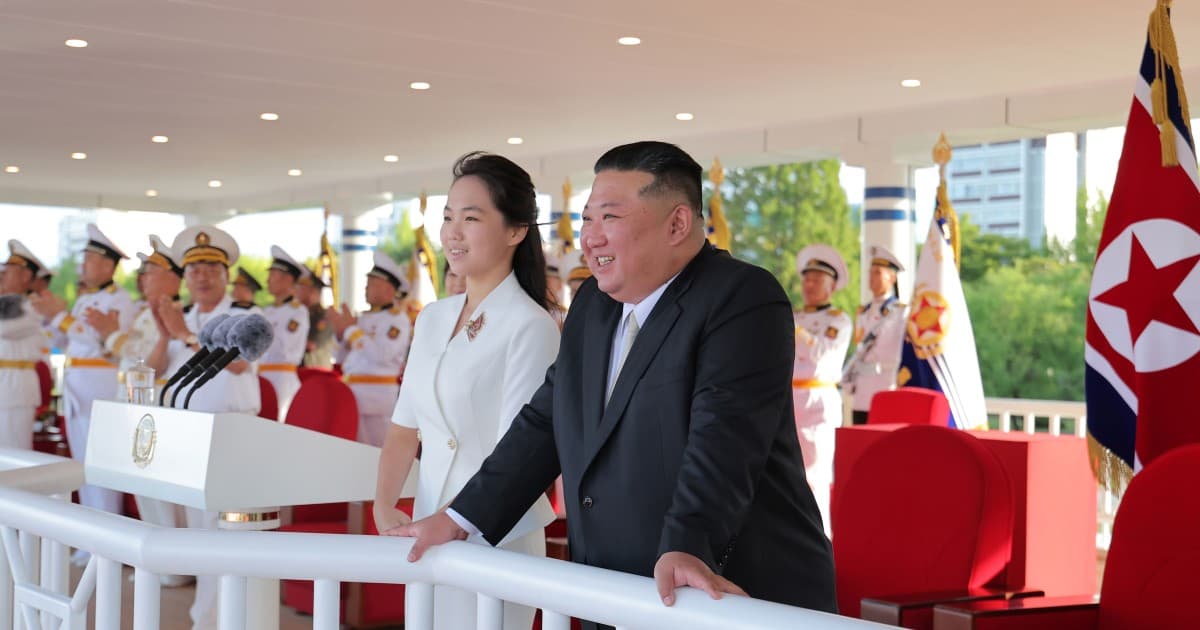
The launch followed Kim Jong Un’s warning on Oct. 2 that North Korea would use nuclear weapons “without hesitation” if South Korea or its allies used force, and South Korea’s unveiling of the Hyunmoo-5 bunker-busting missile.
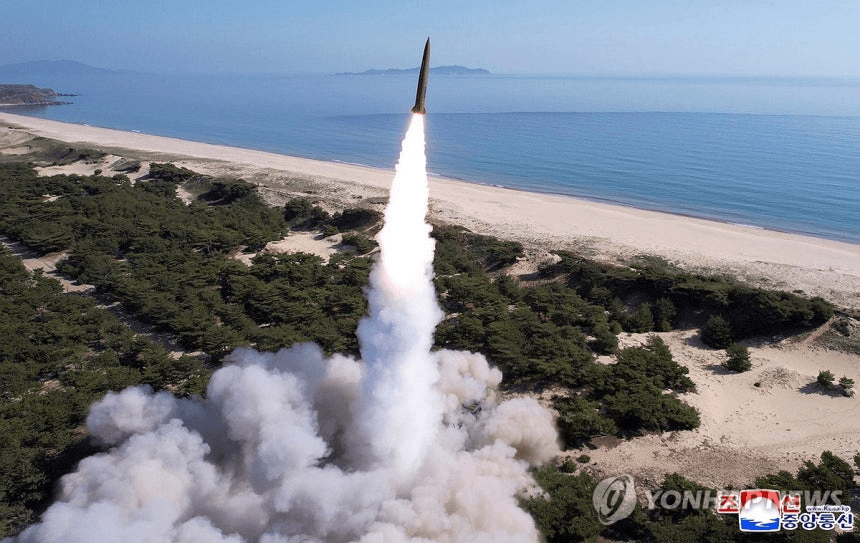
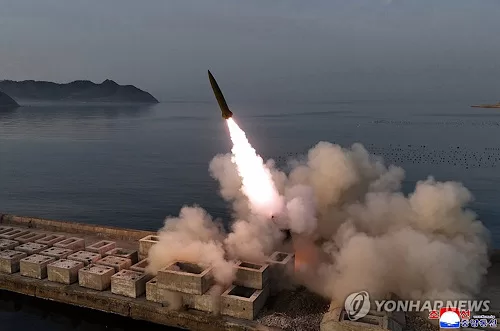
North Korea fired at least one unidentified projectile into the sea off its east coast on Saturday, according to South Korea's Joint Chiefs of Staff. Japan's defense ministry called it a suspected ballistic missile that fell into the water shortly after launch. The test marks a sharp escalation after landmine explosions in the Demilitarized Zone injured South Korean soldiers and Kim Jong Un warned he would use nuclear weapons "without hesitation" if provoked.
North Korea rejected accusations it planted the mines and refused to apologize. Kim Yo Jong, the North Korean leader's sister, also said Pyongyang had no intention of restoring contact with Seoul. Reuters reported the projectile launch comes as tensions between the two countries reach their highest point in months.
Landmine Blasts Trigger Chain of Escalations
The conflict began when landmines exploded in the Demilitarized Zone, injuring South Korean soldiers. South Korea and the U.S.-led UN Command blamed North Korea for planting the mines. habertusba.com reported that Pyongyang flatly rejected the accusation and refused to offer any apology, hardening its stance.
Kim Yo Jong doubled down on the defiance. She said North Korea had zero interest in reopening communication channels with the South. This marked a critical turning point after weeks of fragile quiet between the nuclear-armed rivals.
Missile Details Still Unknown as Analysis Continues
South Korea's military has not yet confirmed whether Saturday's projectile was a ballistic missile, cruise missile, or another weapon type. Our Midland reported the flight path, distance, and exact number of projectiles fired remain under investigation. Analysts need more time to review radar and satellite data from the launch.
If confirmed as a ballistic missile, it would be North Korea's 15th such launch in 2024. Previous tests in September covered distances of roughly 450 kilometers and more than 600 kilometers, showing the country's growing missile range.
Nuclear Threats Precede the Weapons Test
Just days before Saturday's launch, Kim Jong Un issued a stark warning. He said North Korea would deploy nuclear weapons "without hesitation" if South Korea or its U.S. allies used military force. The Van reported the threat came as Seoul unveiled the Hyunmoo-5, a new bunker-busting missile designed to penetrate deep underground targets.
The timing suggests North Korea is responding directly to South Korea's weapons development. Experts view the projectile test as both a show of capability and a warning against further military actions. The cycle of provocation and counter-provocation shows no signs of stopping.
Tensions Persist Despite Frozen Dialogue
North Korea and South Korea have not held meaningful talks in years. Kim Yo Jong's latest statement makes clear Pyongyang sees no reason to restart negotiations. Egyptian Gazette reported the missile launch underscores how far apart the two sides remain on security and denuclearization.
The U.S. maintains a military presence in South Korea and has pledged to defend the country. Analysts warn that if tensions continue climbing, even a minor miscalculation could trigger a dangerous confrontation. Both sides appear locked in a cycle of military demonstrations and hostile rhetoric.
Sentiment
Mostly NegativeNEGATIVENEUTRALPOSITIVE
Publishers
55
Articles
240
Reach
295
A
AnonymousAuthor