Global Body-Camera Expansion
Law enforcement agencies worldwide expand body-camera programs to improve transparency and public trust.
Anonymous
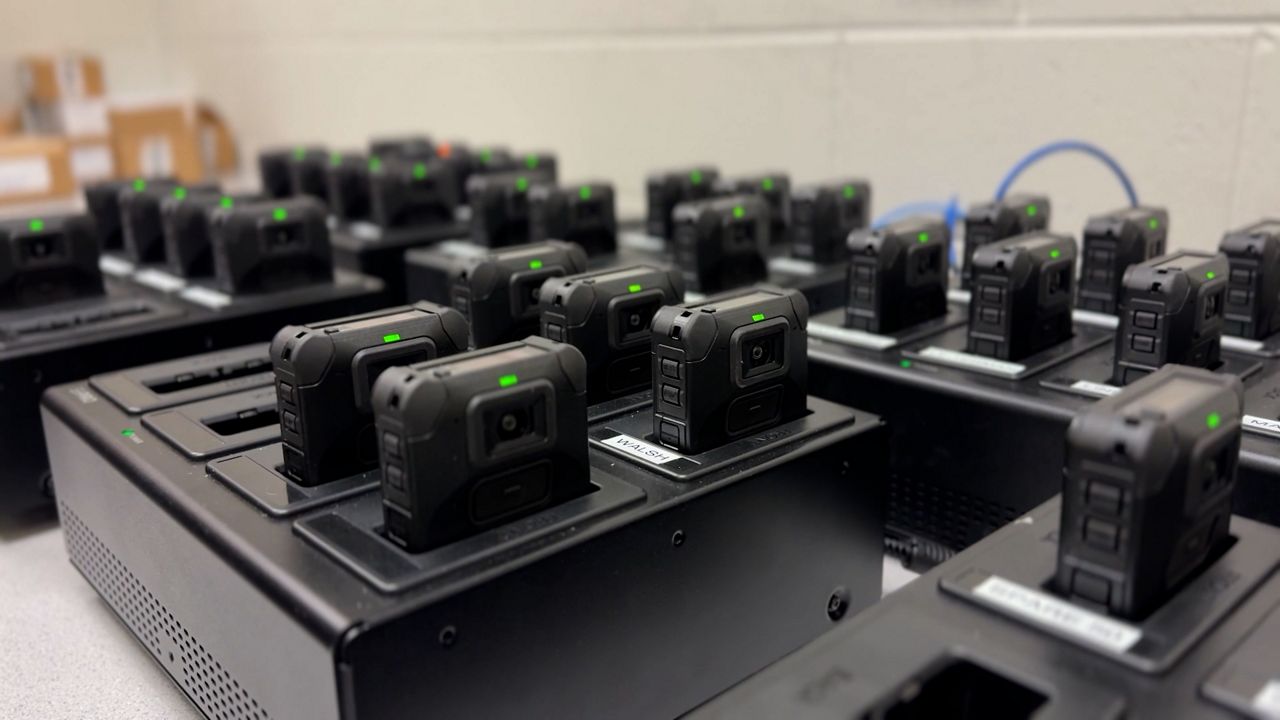
Police and immigration agencies in several countries are expanding body-worn camera programs to improve transparency, officer safety, evidence collection and public trust. U.S. federal immigration authorities say they now have enough cameras to equip every field officer nationwide, with full deployment expected by the end of September after scrutiny over enforcement shootings in which no body cameras were worn. Police Scotland has completed a national rollout covering more than 16,000 officers and staff, and says the technology has generated more than 1.9 million recordings while helping reduce complaints and support criminal investigations. Staffordshire Police is testing officer-style cameras on firearm support dogs, combining live video and GPS tracking to help handlers monitor the animals during operations. North Andover, Massachusetts, has activated a local body-camera program as part of its stated commitment to accountability and community trust, while Switzerland’s Fribourg canton supports the concept but plans a pilot and legal framework before any broad rollout, potentially around 2028.
Key Points
1
U.S. immigration authorities are supplementing standard body-worn cameras with specialized microphones from Motorola Solutions that can also function as additional cameras; officer training for the equipment is still underway.
2
The federal camera rollout followed two fatal enforcement shootings—involving Lorenzo Salgado Araujo in Texas and Johan Sebastián Durán Guerrero in Maine—in which neither the individuals being arrested nor the responding officers were wearing body cameras. The incidents prompted calls from lawmakers, including Republican Sen. Susan Collins, for mandatory camera use.
3
Police Scotland reported that, as of Sept. 13, 2026, officers had created more than 112,000 body-video incidents, with footage from roughly 53,000 incidents shared with prosecutors through Scotland’s Digital Evidence Sharing Capability system.
4
Staffordshire Police has used dog-mounted cameras on three firearm support dogs across four incidents. The devices provide handlers with a live first-person video feed and GPS location data, and are attached using the same camera model worn by officers.
5
Fribourg’s proposed framework is being developed amid broader Swiss activity: neighboring Vaud and Geneva are working on legislation, while Zurich has equipped police with body cameras since 2024. Fribourg officials say privacy, data protection and fundamental-rights safeguards must be addressed before deployment.
Sentiment
Mostly PositiveNEGATIVENEUTRALPOSITIVE
Publishers
21
Articles
9
Reach
30
A
AnonymousAuthor