First U.S. Modular Reactor
NRC Approves Tennessee Valley Authority to Build First Commercial Small Modular Reactor
Anonymous
Key Points
1
The BWRX-300 uses passive safety systems designed to cool the reactor through natural physical processes, reducing reliance on operators or external power; its smaller footprint and lower cooling-water needs could also make it suitable for a wider range of sites.
2
The SMR approach is designed to allow major sections to be manufactured in factories and transported to the site for assembly, rather than building every major component on site—a method intended to simplify construction and allow capacity to be added in stages.
3
TVA’s permit is the second U.S. construction approval for an advanced reactor, following TerraPower’s March permit for its salt-cooled Natrium reactor in Wyoming.
4
The BWRX-300 is described as a 10th-generation, smaller version of the boiling-water reactor TVA operates at Alabama’s Browns Ferry Nuclear Plant.
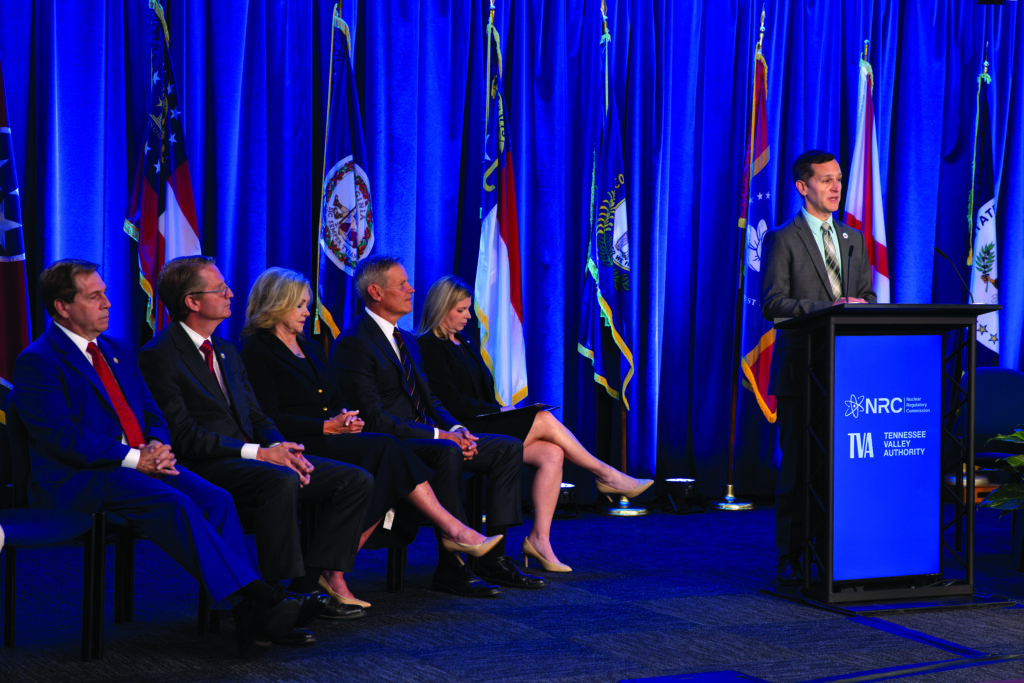
The U.S. Nuclear Regulatory Commission has approved Tennessee Valley Authority's construction of a 300-megawatt small modular reactor at Clinch River in Oak Ridge, Tennessee, making TVA the first American utility authorized to build a commercial SMR NRC Approval Source. The BWRX-300 reactor, developed by GE Vernova Hitachi Nuclear Energy, uses passive safety systems that cool itself through natural physical processes without operator intervention or external power. The permit clears the first unit only, though TVA has considered building up to four reactors at the site.
The approval ends a 14-month technical review but does not authorize operation Times of India. TVA must obtain a separate operating license before loading fuel and generating electricity. The company has not announced when construction will begin, but this landmark permit signals a major shift toward smaller, factory-built nuclear plants that can be deployed at more locations than traditional nuclear stations.
Factory-Built Design Promises Faster Construction
The BWRX-300 uses a modular approach where major sections are manufactured in factories and transported to the site for assembly Energy News Pro. This method differs sharply from traditional nuclear plants, where workers build nearly every component on location. The smaller footprint and lower cooling-water requirements make SMRs suitable for sites that cannot accommodate full-size reactors. TVA can add capacity in stages, starting with one 300-megawatt unit and expanding as needed.
Passive Safety Features Reduce Accident Risk
The BWRX-300 is a 10th-generation version of the boiling-water reactor that TVA already operates at Alabama's Browns Ferry Nuclear Plant Tomorrow's World Today. Its passive safety systems rely on gravity, natural circulation, and convection to cool the core if systems fail. The reactor needs no active cooling pumps or emergency operator actions to prevent overheating. This design removes a major vulnerability present in older nuclear plants that depend on external power sources and human intervention during emergencies.
Second Commercial Advanced Reactor Permit in U.S.
TVA's construction permit follows TerraPower's March approval for its salt-cooled Natrium reactor in Wyoming Citizen Tribune. Both represent a shift in American nuclear policy toward smaller, advanced designs that manufacturers believe will be cheaper and faster to build than conventional reactors. The NRC now has proven its ability to review and approve modern reactor designs. These first two permits could accelerate deployment of SMRs across the U.S. power grid over the next decade.
Sentiment
Mostly PositiveNEGATIVENEUTRALPOSITIVE
Publishers
16
Articles
8
Reach
24
Topics
A
AnonymousAuthor


