Italy Eyes Nuclear Return
Italy Senate Approves Regulatory Framework to Revive Nuclear Power
Anonymous
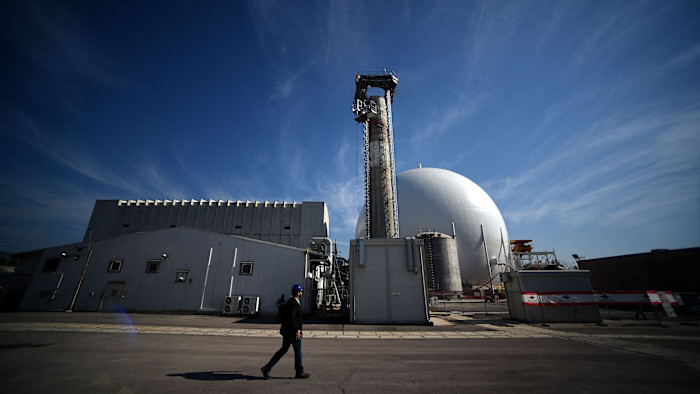
Italy’s Senate has given final approval to legislation creating the regulatory foundation for reviving nuclear power nearly four decades after the country shut down its reactors following the Chernobyl disaster. Approved 81-51, the law authorizes the government to develop rules for reactor licensing, safety, waste management, site selection and regulatory oversight, including for small modular and other advanced reactors; it does not itself authorize construction. Prime Minister Giorgia Meloni’s government argues that nuclear energy could strengthen energy security, reduce exposure to imported-gas prices, support industrial competitiveness and help meet climate targets, with officials targeting implementing decrees within the next year and possible reactors by 2035. Supporters also emphasize Italy’s reliance on electricity generated by nuclear plants in neighboring countries and advocate combining advanced nuclear technology with expanded renewable energy. Opposition parties say the initiative is a distraction from shortcomings in energy policy and that Italy should prioritize faster growth in solar and wind power.
Key Points
1
The Senate vote included seven abstentions, and the bill had previously passed the Chamber of Deputies before receiving final approval in the upper house.
2
Italy’s nuclear program was rejected in a second referendum after Japan’s Fukushima accident in 2011, in addition to the referendum held after the 1986 Chernobyl disaster.
3
The delegated legislation covers potential hydrogen production using nuclear energy, as well as the creation of regulatory bodies—areas not specified in the summary’s description of the framework.
4
Forza Italia Senate whip Stefania Craxi said next-generation nuclear power should be developed alongside renewables to create a “balanced energy system” capable of supporting Italy’s economic development.
5
The government’s case for nuclear has also been linked to rising electricity demand and energy-security concerns exposed by Russia’s invasion of Ukraine; supporters favor small modular reactors partly because they may be safer, more flexible and quicker to build than conventional large reactors.
Sentiment
Mostly NegativeNEGATIVENEUTRALPOSITIVE
Publishers
6
Articles
60
Reach
66
Topics
A
AnonymousAuthor


