Supreme Court Climate Lawsuits
Supreme Court Considers Whether Local Governments Can Sue Oil Companies Over Climate Change
Anonymous
Key Points
1
Boulder County’s lawsuit alleges that Suncor and another company contributed to local climate harms through fossil-fuel production and marketing, including alleged misrepresentations about climate change; the county seeks compensation for harms such as droughts and wildfires.
2
In May 2025, the Colorado Supreme Court ruled that Boulder County’s claims could proceed under state law, rejecting arguments that federal law displaced, precluded or preempted them.
3
Sen. Kevin Cramer promoted bipartisan permitting-reform legislation that would require climate lawsuits against energy companies to be brought within 150 days, rather than the current timeframe of up to six years. He said the litigation’s effects could come from costly discovery even without a successful outcome.
4
Civitas fellow John Yoo argued that the case has national-security and foreign-policy stakes, citing its timing during the Iran war and the potential implications for energy policy.
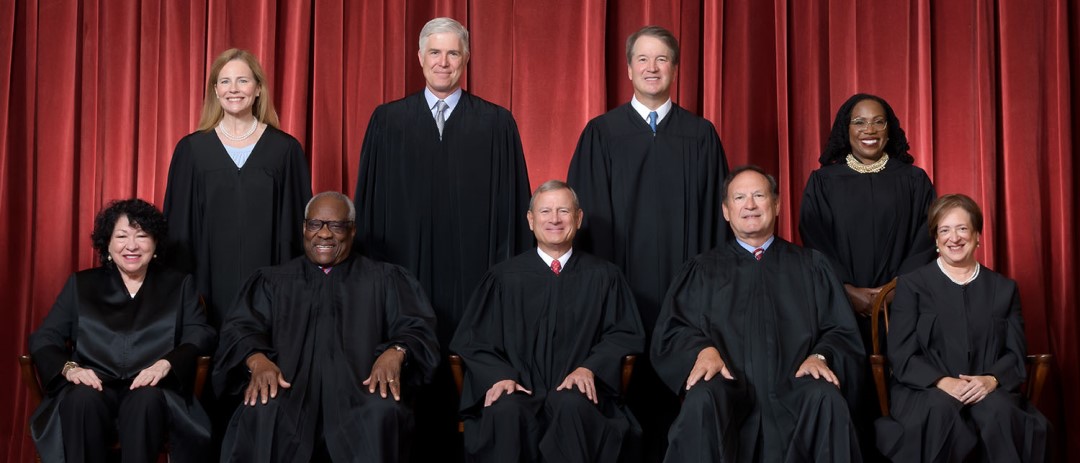
The Supreme Court is preparing to hear one of the most consequential climate cases in its history. Bloomberg Law reports the justices will decide whether Boulder County and other local governments can sue oil and gas companies for climate damages under state law. The core question: can states hold energy companies accountable for harms like droughts and wildfires, or does federal law block these lawsuits?
Boulder County alleges that Suncor Energy and another company caused local climate harms through fossil-fuel production and misleading claims about climate change. Law.com notes the stakes could reshape how climate costs get distributed across America. Energy companies argue that allowing such lawsuits threatens national energy policy and economic stability.
Colorado Court Clears Path for State-Law Claims
In May 2025, Colorado's highest court ruled that Boulder County's claims can proceed under state law. Legis1 reported the state court rejected arguments that federal law wiped out or blocked these cases. This decision allows the lawsuit to move forward, setting up the Supreme Court showdown.
Boulder County seeks compensation for climate-related costs including drought damage and wildfire losses. The county contends that states have the power to address harms within their own borders. Progressive Reform emphasizes that without federal climate legislation, these local claims offer one path for affected communities to recover costs.
Oil and Gas Industry Warns of National Consequences
Energy companies argue that state climate lawsuits threaten federal authority and national policy. Bloomberg Law reports that former Attorney General Bill Barr and other opponents urge the Court to rule decisively to keep cases out of state courts. They warn the litigation could raise energy prices and create a patchwork of conflicting state rules.
Senator Kevin Cramer introduced bipartisan legislation requiring climate lawsuits to be filed within 150 days instead of the current six-year window. He said the litigation's costs come from expensive discovery even when companies win. National security concerns also loom—Law.com notes that some legal experts argue energy policy changes could affect U.S. geopolitical standing.
Experts Divided on Federal Power to Block State Laws
Duke law professor Ernest Young contends that Congress must pass legislation to block state climate laws. He argues the Court cannot simply prohibit these suits without Congress acting first. This view puts the burden on lawmakers rather than judges to settle the federal-state clash.
Climate advocates warn that ruling against Boulder County would leave communities bearing climate costs alone. Progressive Reform states that blocking these claims removes a crucial tool for seeking accountability. The Supreme Court's decision will determine whether states can use tort law—or whether federal law reigns supreme.
Sentiment
Mostly NegativeNEGATIVENEUTRALPOSITIVE
Publishers
20
Articles
360
Reach
380
A
AnonymousAuthor


