Economic Pressures Mount
Burnham faces economic pressures and defence spending debates during his first PMQs.
Anonymous
Key Points
1
Burnham described Emmanuel Macron's decision to display the Bayeux Tapestry at Downing Street as a 'huge personal gesture of goodwill, trust and friendship with Britain' and said it 'shows what collaboration can achieve,' linking cultural exchange to progress on Ukraine, small-boat crossings, and strengthening the UK-EU relationship.
2
Badenoch's plan to lift defence spending to 3% of GDP by 2030 includes specific savings measures: about £4 billion from reforming housing benefit, £3.1 billion from reimposing the two-child benefit cap, £1 billion from ending VAT exemptions for Motability cars, and £200 million from scrapping the Chagos deal.
3
Burnham signalled a willingness to work with the Conservative opposition on welfare reductions, suggesting a cross-party approach rather than a partisan drive on welfare reform.
4
Market-facing anxiety over the Budget persists, with reports that tax rises may be needed to cover mounting debt costs, including assertions of potential up to roughly £14 billion in tax increases.
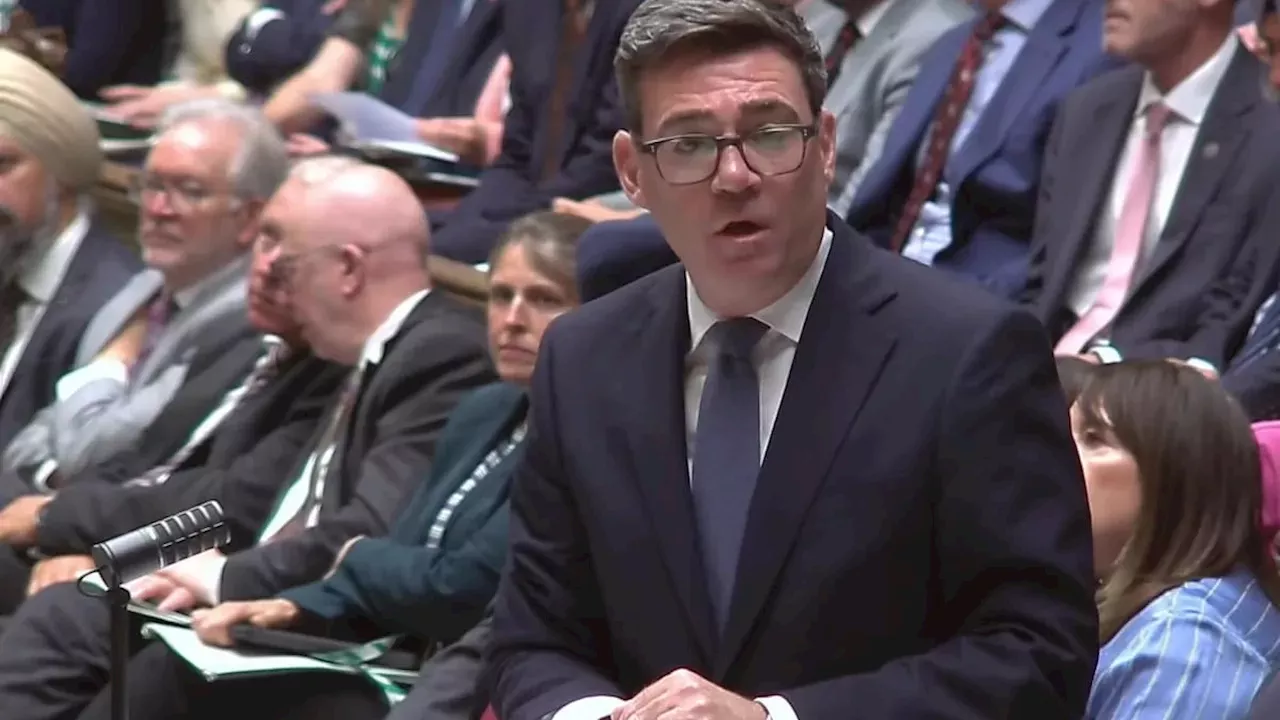
Prime Minister Andy Burnham faced his first heated PMQs against Conservative leader Kemi Badenoch on Wednesday, September 2, as markets fretted over potential tax hikes of up to £14 billion in the upcoming Budget. JournalArta reported that Burnham was grilled on defence spending and welfare costs while simultaneously hosting French President Emmanuel Macron at Downing Street to view the historic Bayeux Tapestry, a symbolic gesture Burnham called a "huge personal gesture of goodwill, trust and friendship with Britain."
Badenoch pressed Burnham on his defence spending timeline, proposing the UK hit 3% of GDP by 2030 through specific cuts: £4 billion from housing benefit reform, £3.1 billion from restoring the two-child cap, £1 billion from ending Motability car VAT exemptions, and £200 million from scrapping the Chagos deal. Express noted Badenoch accused Burnham of "kicking defence spending into the long grass," while Burnham signalled willingness to work cross-party on welfare reductions.
Burnham Shows Poise in First Parliamentary Clash
According to Edge Hill college, politics lecturer Paula Keaveney said Burnham performed well during his first PMQs after six weeks in office. Yahoo reported commentators noted his calm composure against Badenoch's sharp attacks. Yet critics questioned whether his responses lacked decisive detail on how he would fund new promises without tax rises or borrowing.
The session hinged on borrowing costs, welfare reductions, and defence spending. Burnham refused to "write the Budget" at the despatch box, deferring to Chancellor John Healey's October fiscal announcement. Labour defence committee chair Tanmanjeet Singh Dhesi warned Burnham that "vibes alone just isn't going to be enough" to defend against rising threats.
Macron's Bayeux Tapestry Signals UK-EU Reset
Macron loaned Britain the 1,000-year-old Bayeux Tapestry for a 10-month exhibition—its first return in nearly 1,000 years. The tapestry, insured at £820 million, symbolizes deepening UK-France ties. Burnham joked to Macron during the British Museum viewing: "Made in England, they couldn't bear to show the end... too difficult." Macron responded: "Happy end, we're here."
The visit underscores Burnham's diplomatic push to reset UK-EU relations after years of post-Brexit tension. Collaboration on Ukraine support, small boat crossings, and cultural exchanges frame the partnership as mutual problem-solving rather than adversarial politics.
Markets Demand Clarity on Tax and Spending Plans
Bond markets remain nervous. Reports suggest the autumn Budget could require up to £14 billion in tax increases to cover mounting sovereign debt and welfare costs. Express noted Badenoch framed Burnham as a "people pleaser" forced to choose between raising taxes, borrowing more, or cutting spending to keep his promises.
Burnham invited the Conservatives to collaborate on welfare reform through "problem solving, not point scoring." Chancellor Healey will unveil the full Spending Review and Budget plan in October, a moment analysts warn will either calm or spook markets depending on the fiscal choices revealed.
Defence Spending Becomes Election-Year Flashpoint
Defence spending commitments have become radioactive in Westminster. Badenoch's 3% GDP target by 2030 directly challenges Burnham's ability to fund both military readiness and welfare promises without painful cuts. Express reported Badenoch's proposal details specific savings to make the numbers work, framing it as responsible fiscal planning versus Burnham's vagueness.
The row echoes John Healey's earlier resignation under Keir Starmer over failure to meet 3% defence targets by 2030. For Burnham, the PMQs clash revealed a core tension: voters demand both strong defence and robust welfare support, but the Budget math allows little room for both without tax rises.
Sentiment
Mostly NegativeNEGATIVENEUTRALPOSITIVE
Publishers
27
Articles
12
Reach
39
A
AnonymousAuthor


