Cellular Brain Atlas
Scientists Map Human Brain Gene Activity Across Lifespan and Major Disorders
Anonymous
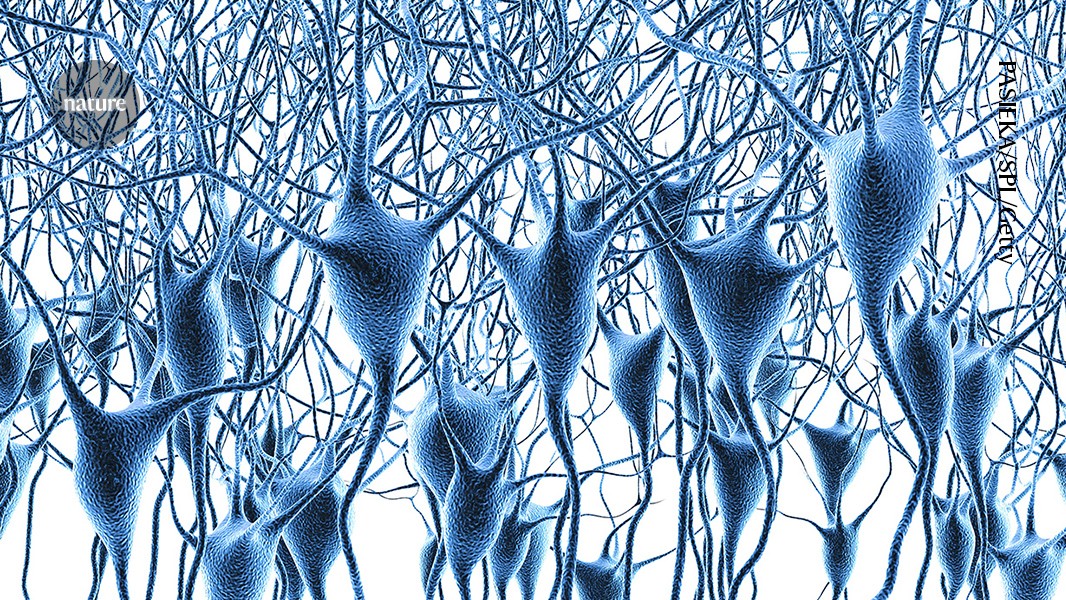
Scientists have created a large single-cell atlas of gene activity in the human prefrontal cortex, clarifying how the region develops, ages and changes in disorders including Alzheimer’s disease, Parkinson’s disease, schizophrenia, bipolar disorder and dementia. Across nine studies, researchers analyzed the nuclei of more than 6.3 million brain cells from 1,494 donors ranging from infancy to age 108, covering diverse ancestries and health histories. The data show major shifts in neuronal and glial activity across the lifespan, including renewed glial changes in later life, weakened clock-gene rhythms after age 60 and disease patterns that are both shared across conditions and specific to individual disorders. By identifying vulnerable cell populations and their molecular signatures, the publicly available resource could help researchers distinguish normal aging from pathology and develop treatments aimed at the biological processes most affected in particular cell types.
Key Points
1
The atlas describes three broad transcriptomic phases in the dorsolateral prefrontal cortex: rapid neurogenesis and gliogenesis before adulthood, relative molecular stability from early adulthood through middle age, and a renewed wave of glial changes beginning around age 60.
2
Researchers cautioned that studying disorders separately can hide shared biology, while combining datasets produced with different methods can create technical differences that may be mistaken for disease effects; the new studies were designed to address both problems.
3
The resource was described by Vanderbilt geneticist Jennifer Below, who was not involved in the work, as a “herculean effort” and “transformative” for understanding the prefrontal cortex; she called it the largest cellular-resolution resource released to date.
4
The prefrontal cortex’s functions include planning, decision-making, emotional regulation and adapting behavior, helping explain why molecular changes in this region may have broad cognitive and psychiatric consequences.
Sentiment
Mostly PositiveNEGATIVENEUTRALPOSITIVE
Publishers
10
Articles
77
Reach
87
A
AnonymousAuthor


