Human Brain Tissue in Mice
Stanford Researchers Transplant Human Brain Tissue Into Mice to Model Neurological Disorders
Anonymous
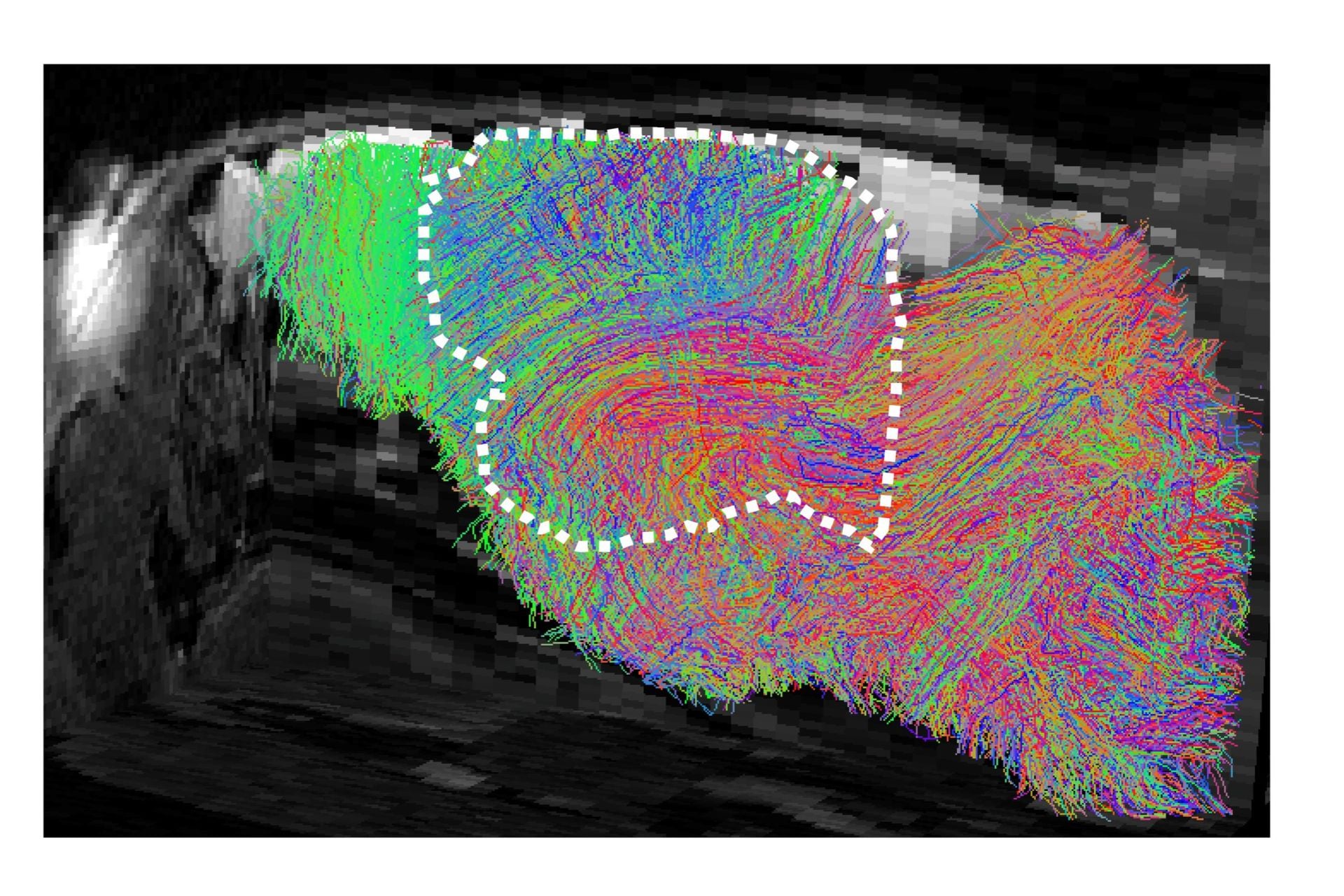
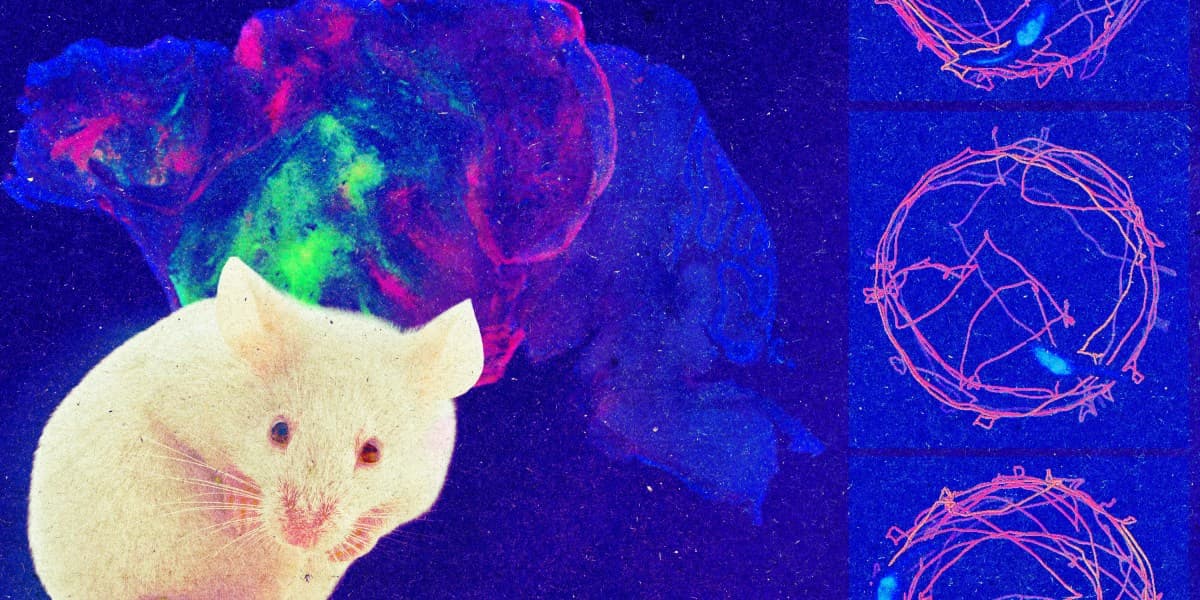
Stanford researchers have transplanted human cortical organoids into genetically engineered mice lacking most of their cerebral cortex, creating a living model for studying neurological disorders that are difficult to reproduce in laboratory cultures. The human tissue expanded substantially, connected to the mice’s blood supply and spinal cord, and developed organized electrical activity and specialized neuron types that are rarely produced in standard organoids. Preliminary experiments showed that the human-derived tissue was especially sensitive to oxygen deprivation, causing gait and balance problems that resemble aspects of cerebral palsy. The researchers say the model could improve studies of conditions including epilepsy, schizophrenia and cerebral palsy, although the animals remain mice with mouse sensory and subcortical systems, and the implications of the findings are still being investigated.
Key Points
1
The researchers used “apallial” mice engineered during development to lack not only most of the neocortex but also parts of the hippocampus. Although viable, these mice showed fine-motor and memory deficits before transplantation.
2
The human grafts expanded 4.7-fold on average within three months and ultimately made up 91.9% of the combined cortical tissue in the mice, according to the study’s reported measurements.
3
The model was designed to overcome a species-related timing problem: human neurons develop about 20 times more slowly than rodent neurons, so in earlier rat experiments the host tissue grew faster and crowded out the human organoids.
4
Sergiu Pașca emphasized that the animals remain mice, with mouse sensory organs and subcortical structures; the unusual feature is that most of their cortical tissue is human-derived and functionally connected to the mouse nervous system.
5
The researchers do not yet know why the living-mouse environment enables the human tissue to produce difficult-to-grow cell classes, although Pașca suggested that signals from distant targets elsewhere in the nervous system may contribute.
Sentiment
Mostly NegativeNEGATIVENEUTRALPOSITIVE
Publishers
8
Articles
57
Reach
65
A
AnonymousAuthor