Rising Rates Stalls Housing
Federal Reserve Interest Rate Hike Threatens Housing Market and Construction Projects
Anonymous
Key Points
1
The average 30-year mortgage rate rose for a fourth consecutive week to 6.95%, up from 6.76% the prior week and 6.26% a year earlier; the average 15-year rate also increased to 6.26% from 6.09%.
2
The Fed’s rate hike comes as consumers are already facing higher grocery, gasoline and housing costs, making affordability a prominent issue in the midterm elections, which were seven weeks away at the time of the report.
3
Michael Guckes of ConstructConnect warned that higher financing costs could cause marginal commercial projects to fail profitability tests and not go to bid. He also said projects already under construction could face delayed contractor payments or, in extreme cases, be put on hold or abandoned, leaving contractors with unrecovered expenses.
4
The latest mortgage-rate readings included a 30-year purchase rate of 7.248%, a 30-year refinancing rate of 7.365% and a 15-year rate of 6.49%, according to Zillow data provided to U.S. News.
5
Mortgage rates briefly dipped after the Fed announcement, illustrating that home-loan rates can sometimes move in the opposite direction from the federal funds rate because they are driven by bond-market expectations rather than the Fed’s overnight rate alone.
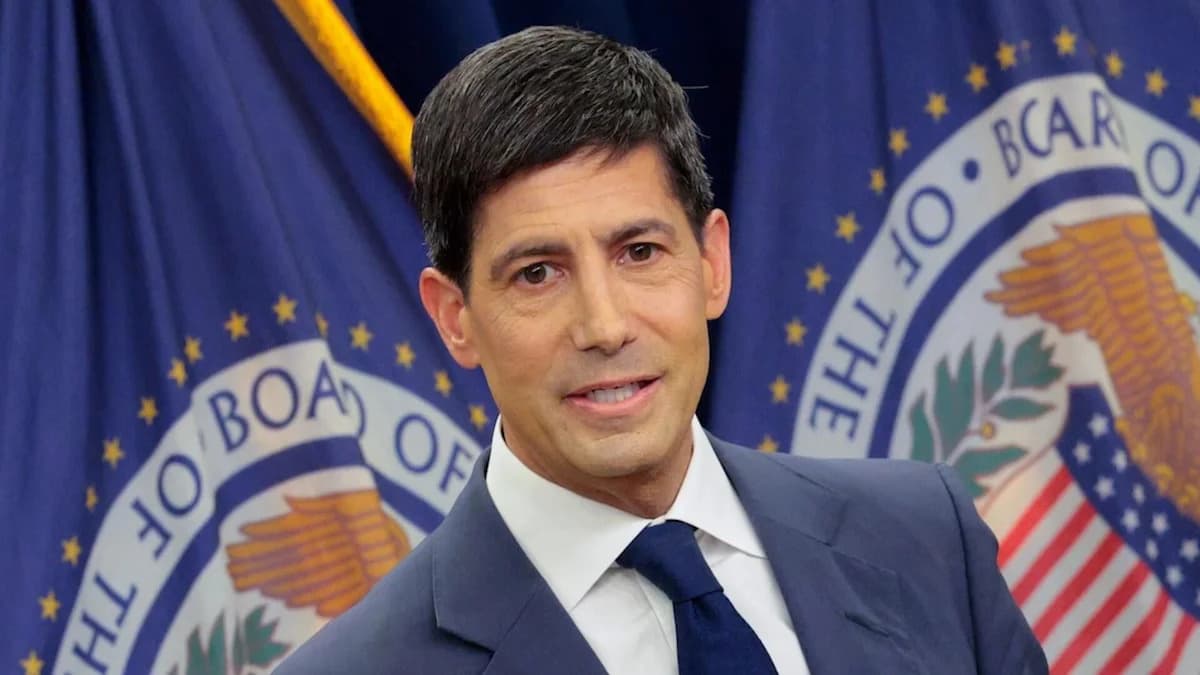
The Federal Reserve raised its benchmark interest rate to 3.9% this week, pushing mortgage costs higher for homebuyers and construction firms. Yahoo Finance reported that the Fed also signaled another rate hike to about 4.1% could come later this year as inflation stays stubborn above the 2% target. Thirty-year mortgage rates now sit around 7%, limiting relief for borrowers and threatening to stall construction projects across the country.
Higher borrowing costs are squeezing builders, developers, and everyday families at a crucial moment. St. Louis Fed economist Michael Musalem warned that rates may need to rise further to combat inflation, which stems from both too much demand and supply shortages. Most economists expect mortgage rates to stay above 6% for years to come, worsening an already tight housing market.
Mortgage Rates Climb for Fourth Straight Week
The average 30-year mortgage rate jumped to 6.95% this week, up from 6.76% the prior week and 6.26% one year ago. Zillow data shows purchase rates hitting 7.248%, with refinance rates at 7.365%. The 15-year rate also climbed to 6.26% from 6.09%. These jumps create a painful squeeze: borrowers face steeper monthly payments just as inflation pushes up groceries, gas, and rent.
Construction Projects Face Profitability Tests
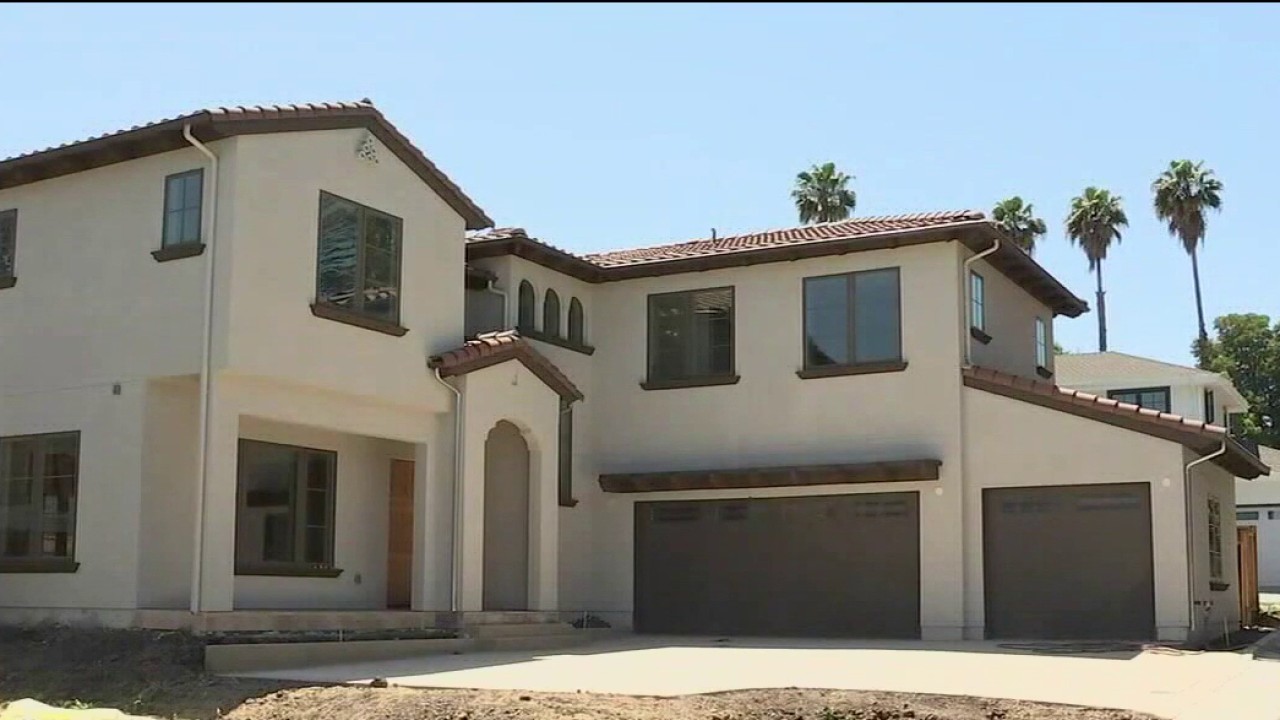
Higher financing costs could kill marginal commercial projects before they even break ground. Michael Guckes of ConstructConnect warned that many developments will no longer pass profitability checks at these rates. Projects already underway risk delayed contractor payments, work stoppages, or even abandonment—leaving builders holding losses they cannot recover.
Inflation and Global Shocks Keep Rates Pressured
Investinglive noted that inflation remains both demand-driven and supply-driven, making it harder to control through rate hikes alone. Higher oil and gas prices linked to the Iran conflict, plus federal borrowing needs, have pushed bond yields higher. Since mortgage rates track 10-year Treasury yields more closely than the Fed's overnight rate, rate hikes don't always bring immediate relief to homebuyers.
Housing Shortage Likely to Persist Despite Higher Rates
Economists say successful inflation reduction could eventually lower mortgage costs, but most expect rates above 6% for years. Labor, materials, and land shortages will continue choking housing supply even if borrowing gets cheaper. Boston officials are now exploring tax breaks to revive stalled projects—a sign that cities recognize how rate hikes threaten construction pipelines and worsen the affordable housing crisis.
Sentiment
Mostly PositiveNEGATIVENEUTRALPOSITIVE
Publishers
24
Articles
11
Reach
35
A
AnonymousAuthor