New East African Refinery
Kenya Breaks Ground on Massive $16 Billion Oil Refinery and Petrochemical Complex in Lamu
Anonymous
Key Points
1
Kenya says the project could generate up to 60,000 direct and indirect jobs; peak construction wages are estimated at $7.7 million per month.
2
Half of the complex’s planned 1,000-megawatt power output is expected to be supplied to Kenya’s national grid.
3
Uganda plans to build its own smaller refinery, while Uganda and Tanzania have also announced a competing $20 billion refinery and energy hub at Tanga.
4
Because East African crude production is only beginning to scale up, the Lamu refinery is expected to rely heavily on seaborne crude imports at first.
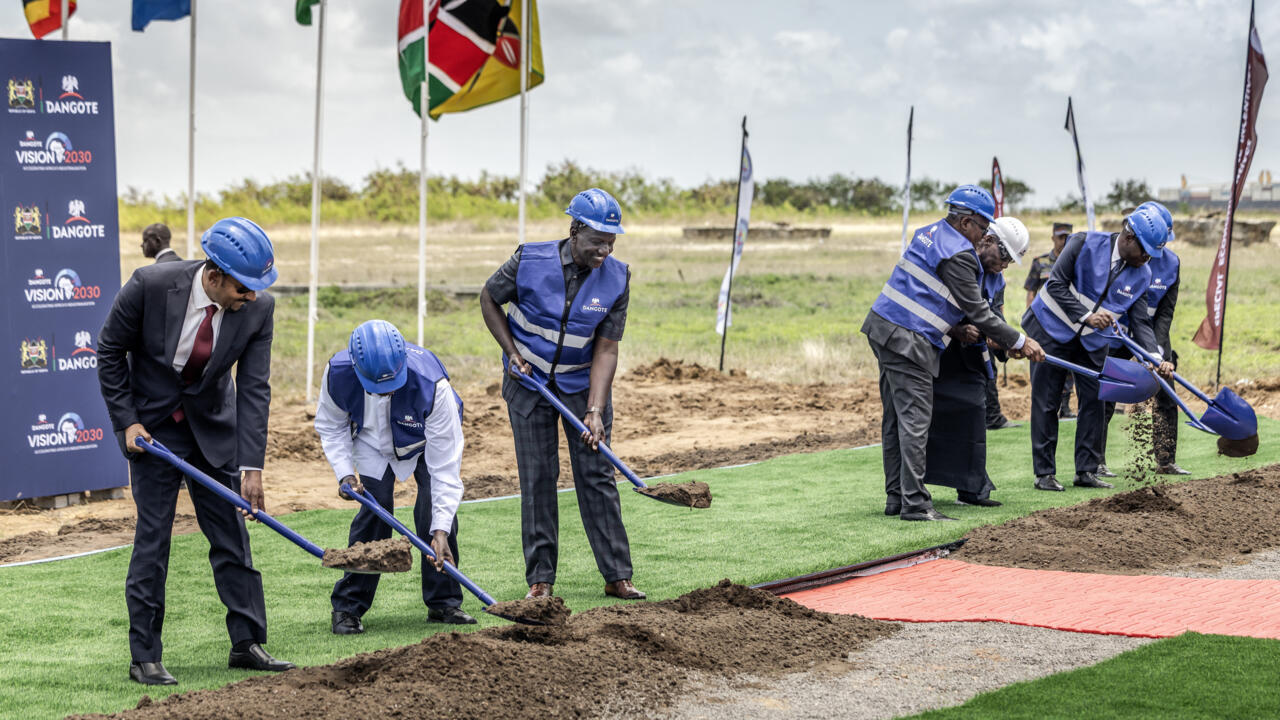
Kenya and Nigerian billionaire Aliko Dangote have broken ground on a $16 billion refinery complex in the coastal town of Lamu, designed to process 700,000 barrels of crude oil daily Medafrica Times. The project is expected to take 30 to 40 months to complete and will produce not only fuel but also electricity, plastics, fertilizers and chemicals for East African markets RFI. Officials say the refinery could generate up to 60,000 direct and indirect jobs and supply half its 1,000-megawatt power output to Kenya's national grid.
The project aims to reduce East Africa's reliance on imported refined products and keep more wealth from the region's oil resources on the continent RFI. However, it has drawn opposition from residents challenging land use and ownership, and from environmental groups warning of risks to coastal ecosystems near a UNESCO World Heritage site.
A Massive Manufacturing Hub Takes Shape
The Dangote East Africa Petroleum Refinery represents one of Africa's largest industrial investments. Medafrica Times reports that five African heads of state attended the groundbreaking ceremony, underscoring the project's continental significance. The complex will refine crude oil into gasoline, diesel and other fuels while producing chemicals and fertilizers for regional markets.
Construction wages alone are projected to hit $7.7 million monthly at peak activity Medafrica Times. Beyond fuel production, the facility's 1,000-megawatt power plant will substantially boost Kenya's electricity supply, with half its output feeding directly into the national grid.
East Africa's Oil Processing Competition Heats Up
The Lamu refinery faces mounting regional competition. Uganda plans to build its own smaller refinery, while Uganda and Tanzania have jointly announced a competing $20 billion refinery and energy hub in Tanga. These projects reflect growing ambitions across East Africa to capture more value from oil resources rather than exporting crude abroad.
Environmental Concerns Cloud the Project
RFI reports that environmental advocates have raised serious concerns about the refinery's impact on Lamu's coastal and marine ecosystems. The project sits near a UNESCO World Heritage site, and local residents have challenged the land use and ownership arrangements. These environmental and social issues could delay construction or force operational changes.
Import Dependence Until Local Oil Production Scales
Initially, the Lamu refinery will rely heavily on seaborne crude imports because East African oil production is still ramping up. As Uganda, Tanzania and Kenya develop their oil fields, the refinery's feedstock sources should diversify. For now, the Indian Ocean port location at Lamu provides critical access to global crude supplies and helps the complex serve regional markets efficiently.
Sentiment
Mostly PositiveNEGATIVENEUTRALPOSITIVE
Publishers
14
Articles
84
Reach
98
A
AnonymousAuthor


