Combatting Urban Flood Risks
Cities worldwide invest in resilient infrastructure to combat severe flooding and water stress.
Anonymous
Key Points
1
The coastal-flooding analysis says U.S. sea levels are already more than half a foot above early-20th-century levels and could rise by feet by century’s end. It ranked cities by average flooding days from 2016 to 2025, including only cities where at least 85% of flooding days were attributed to climate change.
2
China’s sponge-city program began in 2014 and selected 30 pilot cities, with annual central-government subsidies of about 700 million to 1.1 billion yuan per city for three years. Projects included sponge parks, artificial wetlands and permeable paving.
3
Bangkok’s late-September flooding caused estimated damage of more than 11 billion baht (about $320 million) and was forecast to reduce annual growth by 0.03 to 0.07 percentage points. The article also cites estimates that resilient infrastructure can yield about $4 in benefits per $1 invested in low- and middle-income countries.
4
India’s major monitored reservoirs were at around 70% of capacity, reportedly their lowest level for that point in the year in a decade, according to the editorial.
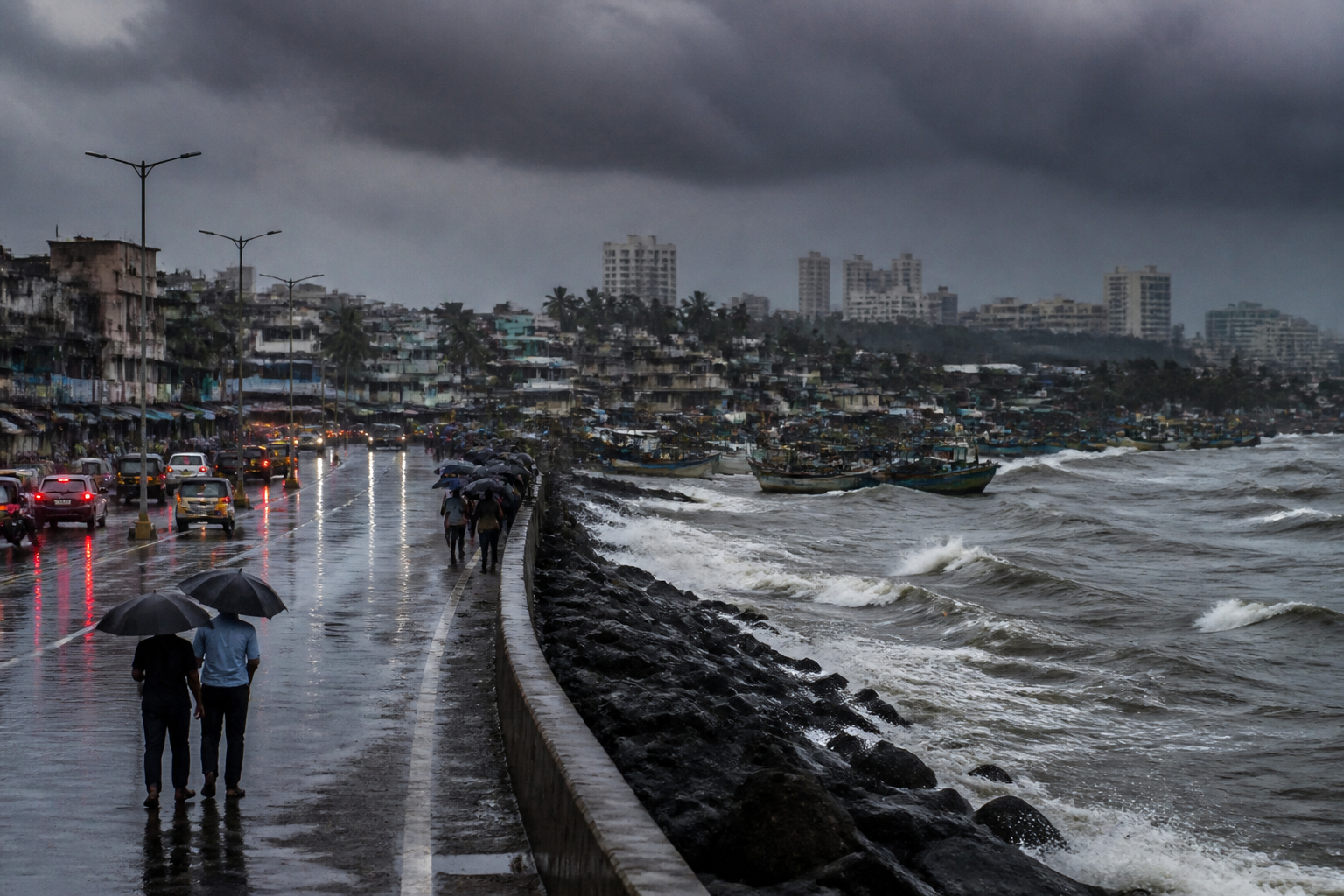
Cities worldwide are drowning under new weather patterns, forcing a radical rethink of how urban areas handle water. Phys.org reports that coastal flooding in the U.S. has intensified as sea levels rise over half a foot above early-20th-century levels, while Bangkok absorbed more than $320 million in damage from September downpours. The challenge extends from Hawaii's Big Island to India's shrinking reservoirs. Experts say the fix isn't just better drains—it's rebuilding cities to absorb water naturally, using parks, wetlands, and permeable surfaces instead of concrete.
These resilience measures cost money upfront but pay dividends. Research shows that every dollar spent on resilient infrastructure in developing nations yields about $4 in benefits. Cities like those in China's sponge-city program are already proving the model works—using artificial wetlands and permeable paving to capture rainfall before it floods streets.
Sea Levels Rising, Flooding Days Multiplying
U.S. coastlines are sinking into an unprecedented crisis. Yahoo News found that sea levels have climbed more than half a foot since 1900. By century's end, they could rise by several feet more. Cities from Charleston to Miami now experience regular "sunny-day" flooding on clear days with no rain—simply because water is climbing higher. Researchers ranked cities by average flooding days between 2016 and 2025, counting only floods where climate change caused at least 85 percent of the damage. The problem is accelerating each decade.
Phys.org research shows how the problem feeds itself: urban areas with concrete and asphalt get hotter, intensifying rainfall patterns. This then causes more flooding, which pushes cities to build more concrete barriers. The cycle deepens. Coastal property owners and municipalities now realize historical weather data is useless for planning. Infrastructure built for 20th-century storms cannot handle 21st-century deluges.
Bangkok's Flood Bill and the Case for Resilience
Thailand learned this lesson the hard way in late September when torrential rains pummeled Bangkok. The flooding caused more than $320 million in damage and was forecast to trim annual economic growth by 0.03 to 0.07 percentage points. Temporary fixes—clearing roads, pumping water out—bought only days of relief. What Bangkok really needs is infrastructure that captures rain before it pools.
The economic case for action is stark: research cited by Millennium Post and other sources shows that investing $1 in resilient infrastructure in low- and middle-income countries returns roughly $4 in avoided losses and economic gains. That means building sponge parks, restoring wetlands, installing permeable pavements—systems that slow and absorb rainfall instead of forcing it into overwhelmed drains. Bangkok and similar cities can no longer afford reactive cleanup; they must invest in prevention.
China's Sponge Cities Show a Working Blueprint
China began testing this resilience model in 2014, launching a sponge-city program across 30 pilot cities. The government committed roughly $100 to $160 million per city annually for three years. Phys.org reports that projects included sponge parks, artificial wetlands, and permeable paving that lets rainfall soak into the ground instead of flowing into streets.
Early results show the approach works. These systems restore local waterways, reduce flooding, and recharge groundwater aquifers. They also cool urban areas and create green space. Residents see fewer flooded basements and cleaner air. The strategy is now spreading to cities worldwide—from Bangkok to U.S. coastal communities—as mayors recognize that engineering nature into cities beats fighting water with concrete alone.
India's Reservoirs Drying and the Rainfall Paradox
On the other side of the climate crisis lies scarcity. Millennium Post reported that India's major reservoirs hovered around 70 percent of capacity—their lowest level for that point in the year in a decade. This despite massive investment in dams, canals, and irrigation networks built over decades. The problem: rainfall is becoming erratic. Long droughts punctuated by intense downpours mean water isn't being captured and stored effectively.
Urban Acres notes that El Niño patterns are adding unpredictability. Scientists say traditional drought narratives miss the real challenge: managing extreme swings between floods and droughts. Solutions include aquifer recharge projects, wastewater recycling, smarter crop choices, and irrigation methods that waste less water. Like coastal resilience, these strategies require upfront investment but protect millions from future water crises.
Sentiment
Mostly NegativeNEGATIVENEUTRALPOSITIVE
Publishers
17
Articles
5
Reach
22
A
AnonymousAuthor


