Tesla Cybercab Safety Investigation
NHTSA Demands Tesla Cybercab Safety Answers Amid Record Autonomous Crash Reports
Anonymous
Key Points
1
The investigation centers on the U.S. self-certification system: automakers certify that vehicles meet Federal Motor Vehicle Safety Standards before regulators verify compliance, and federal law bars certification when a manufacturer has reason to know it is materially false or misleading.
2
Zoox’s July exemption covers the same driver-control standards now at issue for Tesla, making it the first industry precedent for operating an autonomous vehicle without conventional controls while Tesla seeks to justify compliance without an exemption.
3
Tesla’s reported driver-assistance crashes rose sharply during 2026 before reaching July’s record: filings increased from 135 in March to 207 in May and 209 in June, under NHTSA’s rule requiring reports when a Level 2 system was engaged within 30 seconds of impact.
4
In each of July’s four fatal cases, Tesla marked the system as “Verified Engaged,” but public accounts did not disclose that Autopilot or Full Self-Driving was involved; Tesla redacted the narrative, software version and information about whether the vehicle was operating within an approved area.
5
NHTSA closed its formal phantom-braking investigation in July after Tesla said it had issued software updates; the agency said reported incidents had fallen from more than 350 complaints that prompted the 2022 investigation to 19 in 2025, the year of the fatal Mesa crash.
Federal regulators ordered Tesla to prove its steering-wheel-free Cybercab meets safety rules by September 30, demanding sworn answers to 21 questions about how the vehicle complies with federal standards Yahoo Finance. The order comes as Tesla reported a record 236 crashes involving its Autopilot or Full Self-Driving system in July 2026, including four fatal crashes that killed seven people Yahoo Finance.
Cybercab Must Prove Compliance Without Exemption
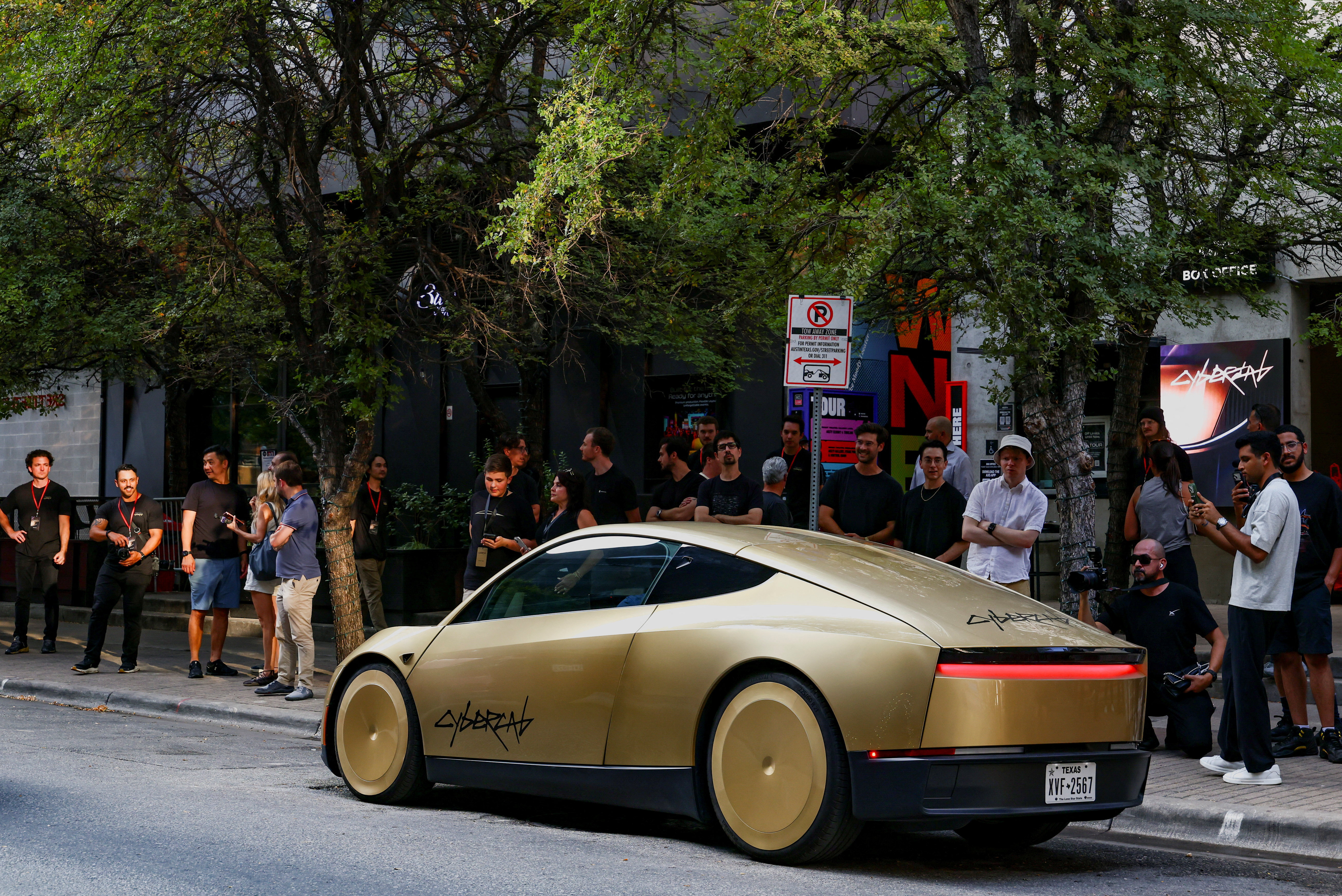
Tesla's Cybercab launched in Austin, Texas with no steering wheel, pedals, mirrors or gear display — features federal law typically requires. NHTSA wants Tesla to explain how the vehicle meets these rules without seeking an exemption like rival Zoox received Yahoo Finance. Non-compliance could trigger civil penalties up to $139.35 million and criminal liability.
Zoox, an Amazon-owned robotaxi company, won approval to skip conventional controls under a federal exemption. Tesla is taking a different path: it claims the Cybercab already meets standards without one. That claim is now under investigation. The 21-question order specifically targets foot-operated brakes, mirrors, turn signals and removal of temporary driver controls.
Fatal Crashes Surge With Driver-Assistance Systems Engaged
In July 2026, Tesla reported 236 crashes where Autopilot or Full Self-Driving was engaged within 30 seconds of impact — a sharp jump from 209 in June Yahoo Finance. Four of those crashes were fatal, killing seven people total. Tesla marked each fatal case as 'Verified Engaged' but redacted crash narratives and software details from public filings, obscuring details about the systems' involvement.
One fatal crash in Maryland killed three people. Another crash in Mesa, Arizona in 2025 killed occupants when a Tesla reportedly stopped unexpectedly while operating in self-driving mode. These incidents have renewed concerns about phantom braking — a problem NHTSA investigated from 2022 until July 2026, when the agency closed the case after Tesla claimed software updates fixed the issue.
Crash Reports More Than Doubled in Six Months
Tesla's reported Autopilot crashes climbed steeply through the first half of 2026. Reports jumped from 135 in March to 207 in May, then 209 in June, before hitting 236 in July. Each figure counts crashes where the driver-assistance system was engaged within 30 seconds of impact under NHTSA's reporting rules.
The July spike is particularly significant because four crashes ended in fatalities. Yet NHTSA closed its phantom-braking investigation the same month after Tesla reported reducing complaints from over 350 in 2022 to just 19 in 2025. That 2025 figure, however, included the fatal Mesa crash — raising questions about whether the investigation closure was premature.
Redacted Filings Hide Critical Safety Details From Public
Tesla's crash reports to NHTSA leave out crash narratives, software versions and information about whether vehicles operated within approved areas. This redaction practice makes it impossible for regulators and the public to fully assess whether the systems malfunctioned or drivers ignored warnings. The secrecy complicates NHTSA's ability to spot patterns in failures.
The transparency gap matters because the U.S. relies on self-certification: Tesla certifies its vehicles meet Federal Motor Vehicle Safety Standards, and regulators verify later. Federal law prohibits certification when a manufacturer knows its claim is false or misleading. These redacted filings are now central to NHTSA's investigation of whether Tesla's Cybercab certification was truthful.
Sentiment
Mostly NegativeNEGATIVENEUTRALPOSITIVE
Publishers
17
Articles
18
Reach
35
A
AnonymousAuthor


