Massive Polar Ice Loss
Greenland and Antarctica Lose 11.3 Trillion Tons of Ice Since 1979
Anonymous
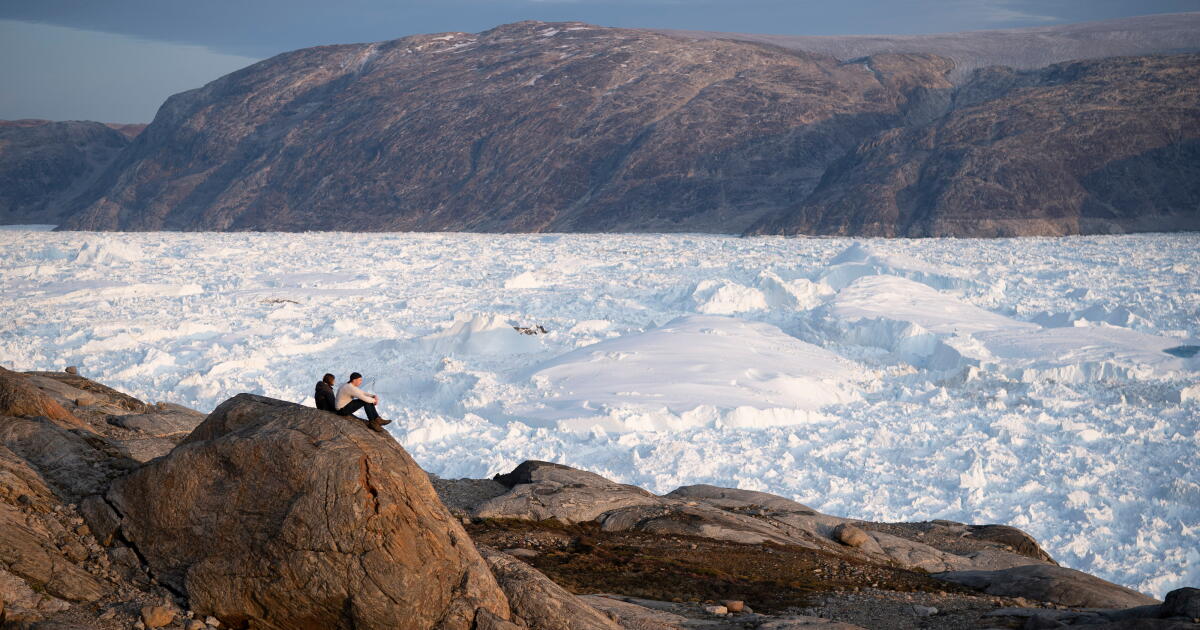
Greenland and Antarctica lost a combined 11.3 trillion metric tons of ice between 1979 and 2023, raising global sea levels by about 3.14 centimeters, according to the longest satellite record yet assembled. Greenland accounted for roughly 60% of the loss and Antarctica 40%, with the rate of ice loss quadrupling from the 1980s to the 2010s. Scientists say the decline is driven not only by surface melting but also by warmer ocean water eroding ice and accelerating glaciers that discharge into the sea, making the ice sheets responsible for about a quarter of current sea-level rise. A temporary slowdown from 2020 to 2023 reflected increased snowfall in East Antarctica and milder Greenland summers rather than a reversal of the long-term trend. Researchers warn that each additional centimeter of sea-level rise exposes roughly 2 million to 3 million people to annual coastal flooding.
Key Points
1
The total ice loss is equivalent to a solid cube about 23 kilometers (14.3 miles) high, according to lead author Inès Otosaka.
2
Although Greenland is about one-eighth the size of Antarctica, it produced roughly 60% of the combined ice loss, compared with Antarctica’s 40%.
3
Greenland’s annual ice loss rose from about 60 billion tonnes in the 1980s to 264 billion tonnes in the 2010s, while Antarctica’s increased from roughly 48 billion to 202 billion tonnes over the same period.
4
Antarctica’s net ice loss was driven entirely by ocean-driven melting and faster outlet glaciers; in West Antarctica, discharge increased in every decade, particularly from the Pine Island and Thwaites glaciers.
5
The Jakobshavn glacier in Greenland is retreating by as much as 50 meters (164 feet) per day, illustrating the speed of change at some individual glaciers.
Sentiment
Mostly NegativeNEGATIVENEUTRALPOSITIVE
Publishers
8
Articles
200
Reach
208
A
AnonymousAuthor


