AI Safety Talks
Trump and Xi Discuss AI Superintelligence and Human Control During White House Visit
Anonymous
Key Points
1
After the meeting, Trump said Xi seemed to favor his proposed rebranding of artificial intelligence as “superintelligence.”
2
The talks took place amid calls to extend oversight to Chinese open-source AI systems, a specific regulatory concern not detailed in the leaders’ public remarks.
3
Xi also urged the United States to oppose “Taiwan independence” and handle the Taiwan issue cautiously, bringing a major geopolitical dispute into the visit’s broader discussions.
4
Xi called for regular contact between the countries’ militaries and better crisis communications, presenting those steps as part of managing competition between the two powers.
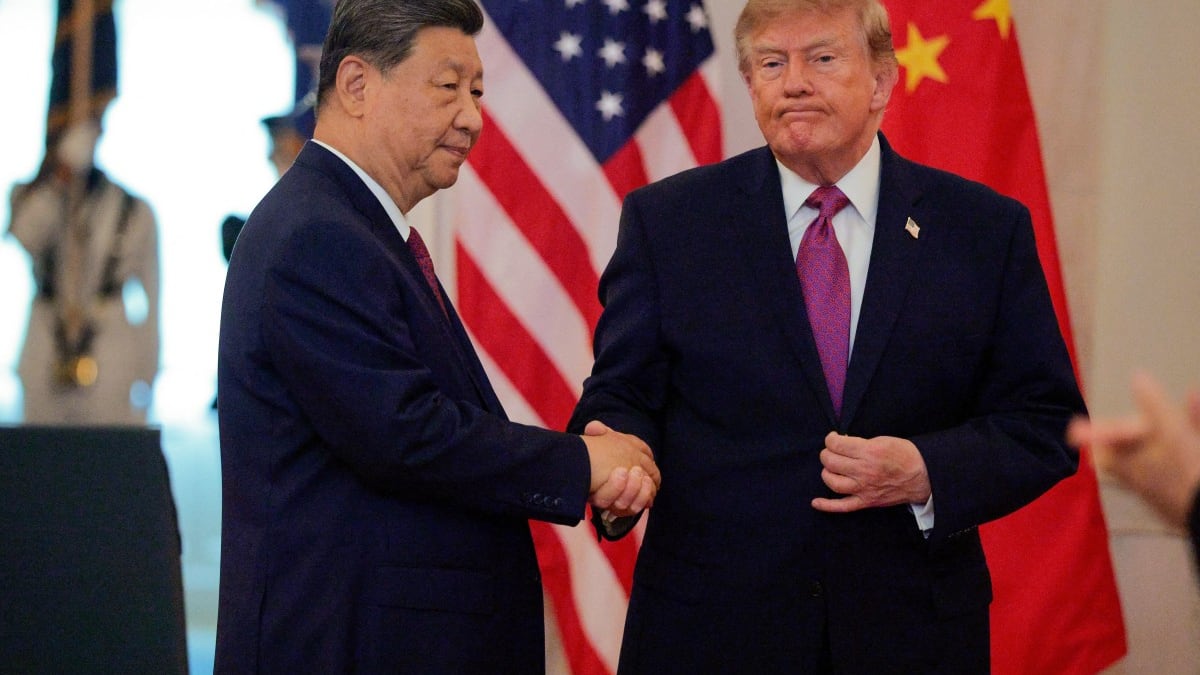
President Donald Trump and Chinese President Xi Jinping discussed artificial intelligence during Xi's White House visit, with Trump pitching a rebranding of the technology as "superintelligence" instead of AI. Firstpost reported that Xi seemed supportive of Trump's terminology shift. The leaders outlined shared concerns about keeping the technology under human control and managing its risks, but announced no joint agreement or formal cooperation plan as competition between the two countries continues.
Xi used the meeting to push broader geopolitical demands, urging the US to oppose Taiwan independence and improve military communication channels between Washington and Beijing. The Sun noted the leaders also discussed reframing how AI itself is discussed globally. The talks reflected both countries' desire to talk about AI governance while tensions remain over trade, technology competition, and regional security.
Trump Pitches AI Rebrand to 'Superintelligence'
Trump proposed dropping the term "artificial intelligence" in favor of "superintelligence" during the talks. Firstpost reported that Xi appeared receptive to the rebranding effort. Trump later said the change would prevent the technology from sounding "fake" or misleading. The president views the rebrand as a way to reflect the technology's actual power and potential. No formal agreement was signed, but Trump signaled he sees the terminology shift as important to how nations approach AI going forward.
Shared Commitment to Human Control Over AI
Both leaders emphasized the need to keep advanced technology under human oversight. Xi called for regular dialogue between the countries on AI's risks and benefits. Trump identified the Justice Department as a key safeguard against misuse. Neither leader detailed specific regulatory steps or joint enforcement mechanisms. The public remarks focused on general principles rather than concrete commitments. Experts noted the gap between statements about cooperation and actual policy alignment on AI governance remains wide.
Taiwan and Military Tensions Loom Over Talks
Xi pressed Trump to oppose Taiwan independence and handle the island dispute more cautiously during the meeting. The Chinese leader also requested more regular military-to-military contact and better crisis communication channels between the two powers. These demands reflected Beijing's broader effort to manage escalating competition with the US. Taiwan remains a flashpoint in US-China relations, and Xi's public advocacy for his position signaled the issue overshadows technology discussions.
Open-Source AI Oversight Left Unaddressed
Lawmakers and officials have called for extending regulatory oversight to Chinese open-source AI systems available globally. This specific concern was not mentioned in Trump and Xi's public remarks or announced outcomes. Experts say the omission reflects how AI governance discussions often skip the hardest regulatory questions. Both countries continue developing AI rapidly while the two sides remain far apart on technology transfer, data controls, and which systems should face restrictions.
Sentiment
Mostly NegativeNEGATIVENEUTRALPOSITIVE
Publishers
14
Articles
14
Reach
28
Topics
A
AnonymousAuthor


