AI Data Centres Debate
Scottish Greens Plan Holyrood Vote on Moratorium for AI Data Centres
Anonymous
Key Points
1
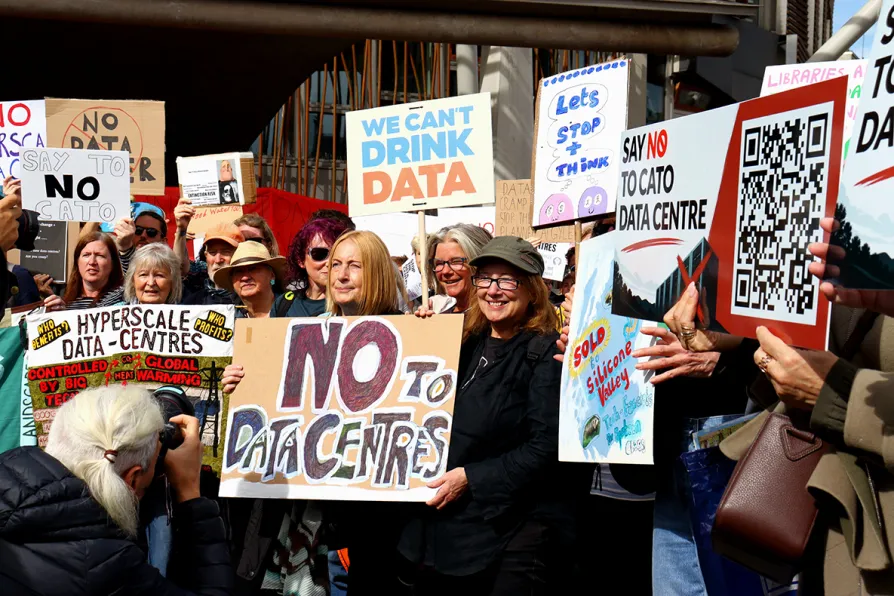
Campaigners warned that the four hyperscale data centres currently at the planning stage could collectively consume as much electricity as Torness nuclear power station, raising fears of blackouts if they proceed.
2
An analysis cited by campaigners found that the projects’ contracted energy demand already amounted to one and a half times Great Britain’s total peak electricity demand.
3
The Scottish Government’s planning framework classifies “green” data centres as nationally significant infrastructure but does not define what qualifies as green, a gap the Scottish Greens say leaves basic policy questions unresolved.
4
Actor and environmental campaigner Sam Heughan called for a moratorium until the short- and long-term effects are understood, saying he did not see how the developments would benefit anyone beyond landowners and large corporations.
5
Critics argued that the facilities could support relatively few operational jobs while contributing to the replacement of millions of workers globally by AI systems, adding a wider social concern to the local environmental objections.
Scotland's parliament backed a pause on new hyperscale data centers for artificial intelligence on Wednesday, halting planning applications until the government writes national rules. Morning Star Online reported that Holyrood voted to suspend approvals after concerns about energy and water strain grew. The four projects now in the pipeline could consume as much electricity as Torness nuclear power station, campaigners warned.
The Scottish Greens are demanding a full moratorium and a clear definition of what qualifies as a "green" data center. Daily Business reported the vote passed despite government resistance to a broader pause. Developers argue the facilities could harness curtailed renewable electricity and bring £10 billion in investment. Critics counter they would industrialize rural landscapes while creating few permanent jobs.
Four Projects Could Strain Scotland's Power Grid
The four proposed data centers now under review present an unprecedented electricity demand. Morning Star Online reported that campaigners' analysis found the contracted energy demand equals one and a half times Great Britain's entire peak electricity need. If all proceed, the facilities would consume power equivalent to Torness nuclear station, raising blackout fears across the country.
Developers Say Data Centers Will Use Wasted Wind Power
Project backers argue hyperscale facilities solve a real problem: Scotland generates more renewable electricity than it can use, and curtailment wastes resources. They propose a £10 billion campus at Hunterston and promise long-term employment and major investment. The companies say data centers would absorb power during wind surges that would otherwise go unused, turning constraint into profit.
Developers also frame the move as inevitable. AI demand for computing power is soaring globally, and Scotland's cheap, renewable electricity makes it attractive. They argue the country either captures this investment or competitors will. Without data centers, they contend, Scotland misses a defining economic opportunity of the AI era.
Environmental Groups Warn of Water and Landscape Damage
Critics say the benefits don't outweigh the costs. Hyperscale data centers demand enormous amounts of water for cooling, straining supplies in rural areas already facing pressure. Environmental groups warn that massive industrial sites would scar landscapes, generate noise pollution, and industrialize quiet communities. Few permanent jobs would result—most positions exist only during construction.
Actor Sam Heughan, an environmental campaigner, called for a moratorium until long-term effects are understood. He argued the developments would benefit only landowners and large corporations. Yahoo News reported critics also raised a darker concern: data centers support AI systems already replacing millions of workers worldwide. That adds a global employment crisis to local environmental objections.
Government Resists Full Ban But Backs Planning Pause
The Scottish Government has stopped short of a full moratorium but now requires ministers to review all data center applications. This creates a delay while officials draft national planning guidance. The SNP's national council and some backbench lawmakers support a full pause, but the government has resisted, citing the need to balance energy goals with economic growth.
The core problem remains unresolved: Scotland's planning framework calls data centers "nationally significant infrastructure" but never defines what qualifies as "green." Daily Business reported the Greens argue this gap leaves basic policy questions unanswered. Without a definition, any large facility claiming to use renewable power could qualify, defeating environmental safeguards.
Sentiment
Mostly NegativeNEGATIVENEUTRALPOSITIVE
Publishers
18
Articles
27
Reach
45
A
AnonymousAuthor