Ceuta Migrant Influx
Tens of Thousands of Migrants Enter Spanish Ceuta from Morocco; Many Leave Voluntarily
Anonymous
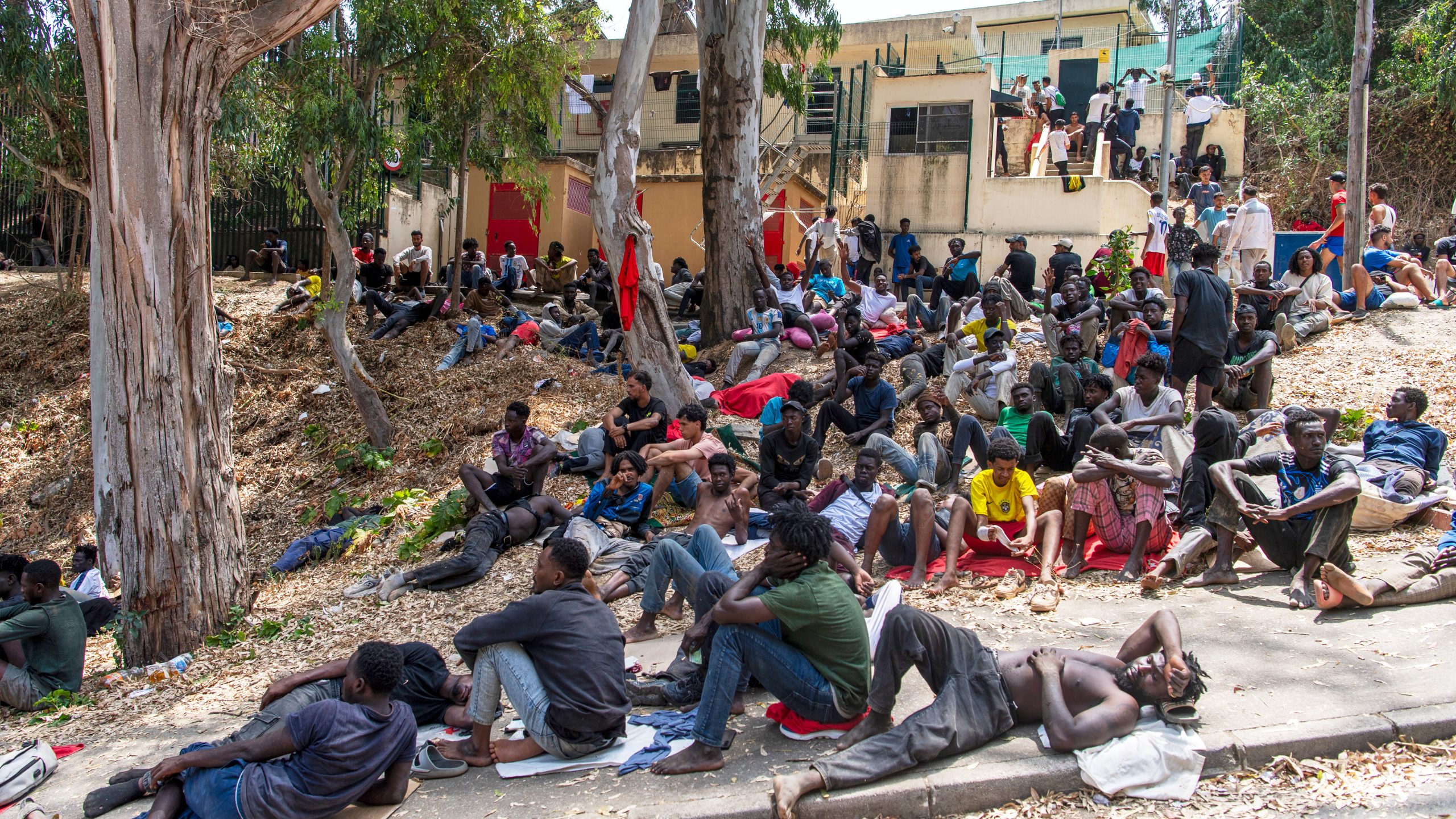
About 60,000 migrants crossed from Morocco into Spain's territory of Ceuta in just 24 hours, according to Ceuta's president Juan Jesús Vivas, according to Erie News Now. That figure equals roughly 70% of Ceuta's entire population. Spain's interior ministry put the number at 50,000 since Thursday, but both counts signal the largest single surge the enclave has ever seen.
Despite the staggering numbers, many of the migrants voluntarily returned to Morocco shortly after crossing. Spanish authorities scrambled to manage the influx in the small coastal city, which sits on the northern tip of Africa and shares a land border with Morocco.
A Mass Crossing Unlike Anything Ceuta Has Seen
Ceuta is a tiny Spanish city on the African coast. It covers just 18 square kilometers. Its population is around 85,000 people. So when 60,000 migrants crossed in a single day, the city was instantly overwhelmed, according to Daily Advance.
Ceuta's president Juan Jesús Vivas confirmed the 60,000 figure. Spain's interior ministry offered a slightly lower count of 50,000 since Thursday. Either way, the scale dwarfs previous crossings. Spanish security forces were stretched thin trying to process and monitor the arrivals.
Many Migrants Turned Around and Went Back
A large share of those who crossed chose to return to Morocco voluntarily. This kept the net number inside Ceuta far below the 60,000 peak. Officials did not immediately say how many stayed, according to KDH News.
Voluntary returns are common in Ceuta crossings. Migrants sometimes cross to test border conditions or seek asylum, then go back when they face detention or see limited options. The speed of the returns in this case was still unusual given the sheer volume of people involved.
Morocco's Role Raises Questions About Border Control
The surge raised immediate questions about Morocco's role. Spain and Morocco share a border agreement that relies on Moroccan forces to help control crossings. When large waves like this happen, it often signals a deliberate loosening of that control, according to BDT Online.
Relations between Spain and Morocco have been tense at key moments in recent years. Past surges have coincided with diplomatic disputes. It was not immediately clear whether this crossing was tied to any specific political friction between the two countries.
Spain Faces Pressure to Respond Quickly
Spanish authorities faced urgent calls to act. Ceuta's small infrastructure cannot handle tens of thousands of new arrivals at once. Food, shelter, and processing capacity were all strained, according to Erie News Now.
The Spanish government had not issued a full public response as of the latest reports. Ceuta has seen large crossings before — including a major surge in May 2021 — but nothing close to this scale. Pressure will now mount on Madrid to reinforce the border and engage Morocco diplomatically.
Sentiment
NeutralNEGATIVENEUTRALPOSITIVE
Publishers
5
Articles
5
Reach
5
A
AnonymousAuthor


