Japan, US, South Korea Plan Arctic Pact
Japan, US, South Korea Plan Arctic Pact
Anonymous
Key Points
1
South Korea’s first containership transit of the Northern Sea Route involved the 2,758-TEU PanStar Acro, which completed the Busan-to-northern-Europe passage in 21 days.
2
South Korea has introduced an annual KRW120 billion (about $87 million) financing program for ice-class vessels and icebreakers, signaling concrete public support for Arctic shipping capacity.
3
Japan’s planned contributions draw on capabilities developed through operating the Antarctic research vessel Shirase; its new Arctic research vessel, Mirai 2, is intended to improve oceanographic and meteorological data collection and help Japan shape international standards for Arctic operations.
4
The proposed maritime framework would include a joint response mechanism for contingencies in the Arctic Ocean, adding an emergency-coordination element beyond routine shipping and surveillance cooperation.
5
The ministers are expected to discuss or sign the memorandum on Sept. 22 in New York, alongside the U.N. General Assembly, according to the report cited by The Asia Business Daily.
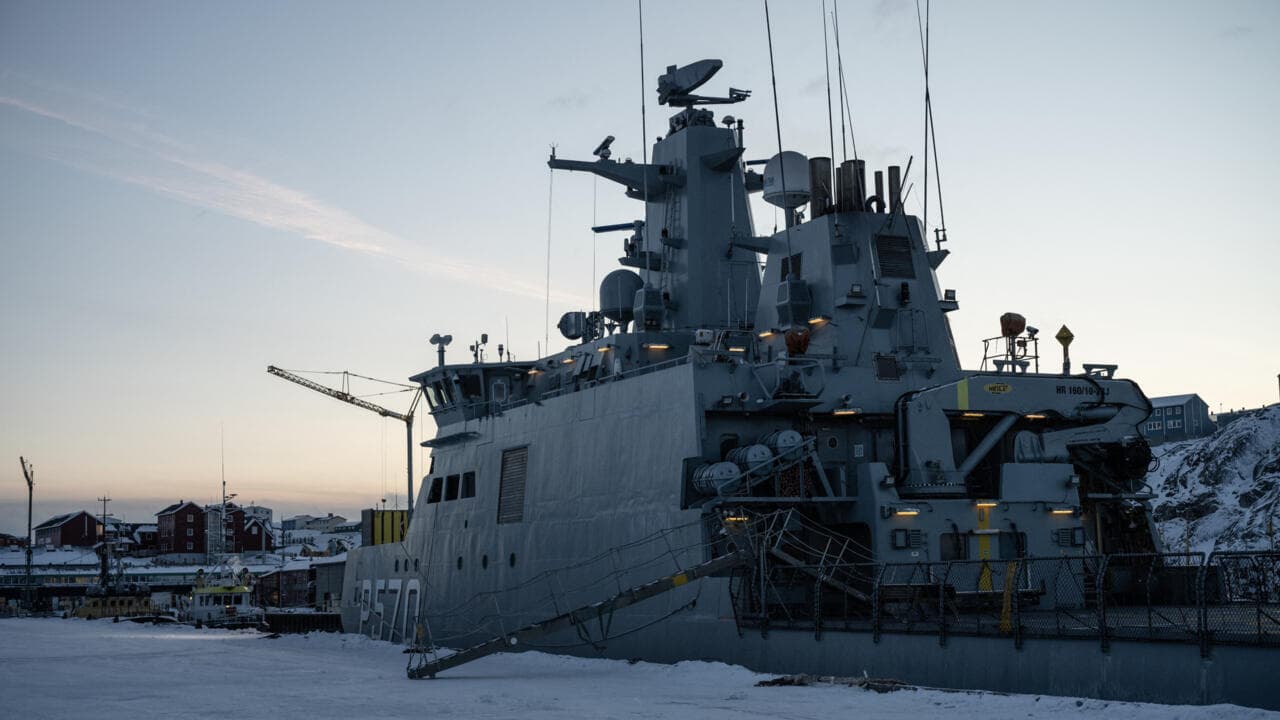
Japan, the United States, and South Korea are poised to sign a major Arctic pact during their foreign ministers' meeting at the U.N. General Assembly in New York on September 22. The Asia Business Daily reports the three nations plan to establish the Arctic-Pacific Trilateral Partnership, a working group focused on shipping routes, icebreaker technology, maritime surveillance, and Arctic energy resources. The deal signals growing concern about Chinese and Russian influence as commercial Arctic shipping expands.
South Korea's breakthrough voyage underscores the region's rising strategic importance. The containership PanStar Acro, carrying 2,758 containers, completed a Busan-to-northern-Europe journey via the Northern Sea Route in just 21 days. The Asia Business Daily also notes South Korea is backing Arctic ambitions with KRW120 billion (about $87 million) annually in financing for ice-class vessels and icebreakers.
Arctic shipping routes drive trilateral cooperation
The Arctic-Pacific Trilateral Partnership will tackle five core areas: shipping routes, icebreaker technology, maritime surveillance, energy transport, and emergency response in Arctic waters. Japan and South Korea both see Arctic commerce as vital to future trade and energy independence. The framework avoids duplicating efforts with the Arctic Council, which already includes Denmark and Norway, but adds muscle from three major Asian-Pacific economies eager to shape Arctic rules.
Japan brings Antarctic expertise to Arctic operations
Japan's contributions draw directly from its decades operating the Antarctic research vessel Shirase. The Asia Business Daily reports Japan is launching Mirai 2, a new Arctic research vessel designed to improve oceanographic and meteorological data collection across the region. These capabilities position Japan to help establish international standards for Arctic operations and provide critical polar-weather intelligence for shipping and energy exploration.
South Korea's icebreaker investment signals Arctic commitment
South Korea's $87 million annual financing program for ice-class vessels shows serious money behind Arctic ambitions. The nation's Northern Sea Route voyage by the PanStar Acro proved the commercial viability of faster Europe-bound shipping through Arctic waters. By investing in icebreaker technology and modern ice-capable ships, South Korea positions itself as a major Arctic player and reduces dependence on traditional Suez Canal routes.
Joint contingency response adds security layer to shipping
The memorandum includes a joint emergency-coordination mechanism for Arctic Ocean crises. This goes beyond routine shipping and surveillance to create a rapid-response system for accidents, environmental disasters, or distress calls. The Asia Business Daily indicates the framework ensures the three nations can act quickly and together if emergencies strike far-north waters where rescue infrastructure remains sparse and international coordination can save lives.
Sentiment
Mostly NegativeNEGATIVENEUTRALPOSITIVE
Publishers
17
Articles
34
Reach
51
A
AnonymousAuthor