Community Pushback Against Tech Expansion
Rapid Data Center Expansion Sparks Local Conflicts in Rural Communities
Anonymous
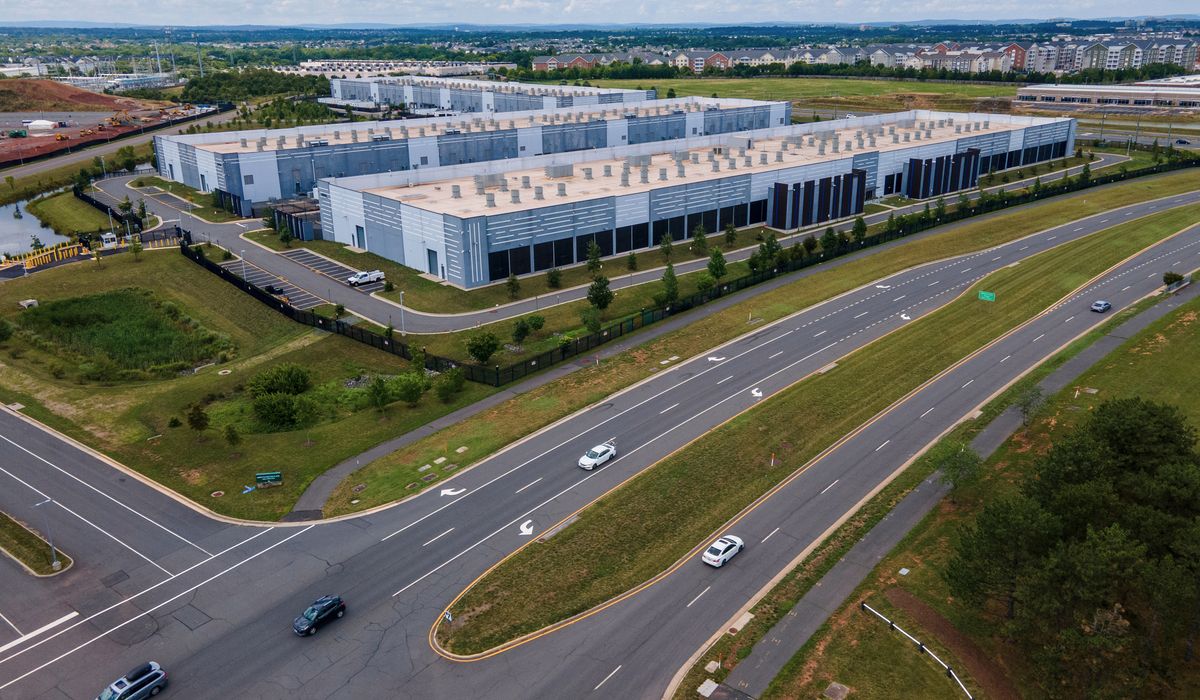
The AI boom and broader growth in digital services are driving a rapid expansion of data centers, with developers moving into rural and emerging markets as power, land and capacity become scarce in traditional hubs. That shift is bringing local concerns over electricity costs, pollution, land use, property values and community disruption: in Pennsylvania, one developer offered households $10,000 each to win support, but many residents rejected the offer. Some facilities are using on-site power, including temporary gas turbines that can increase pollution, while rising power density is also prompting changes in cooling and facility design. Developers are exploring alternatives such as floating data centers that use surrounding water for cooling and can be located near power plants, though those approaches remain only one part of a broader build-out. Norway’s digitalization minister has also called for tougher requirements on tech companies to prevent data center projects from fueling polarization and conflict.
Key Points
1
The U.S. had nearly 100 operating hyperscale data centers, with another 120 under construction and 460 planned, according to Cleanview. About 40 percent of existing hyperscale facilities were built on previously developed land; the rest replaced farmland, shrubland or forest.
2
North American data center demand reached 25 gigawatts of absorption in the first half of 2026, while vacancy fell to 1 percent or less. JLL’s Sean Farney said data creation is growing roughly 23 to 25 percent annually, and that expansion reflects broader dependence on digital services as well as AI.
3
A floating data center developed by Nautilus Data Technologies began operating in 2021 at California’s Port of Stockton. Built on a refurbished barge, it uses a cooling system that circulates about 4,500 gallons of river water per minute, with screens to keep fish and plants out of the intake.
4
Mousterian CEO and cofounder Min Suh said the company’s floating design uses surrounding water in a closed-loop cooling system, avoiding municipal water supplies. He also said the facilities make no noise and can be sited near power plants in areas where few people live.
Sentiment
Mostly NegativeNEGATIVENEUTRALPOSITIVE
Publishers
21
Articles
15
Reach
36
A
AnonymousAuthor


