Kerala University Draft Rules Restrict Campus Politics
Kerala University Draft Rules Restrict Campus Politics
Anonymous
Key Points
1
The proposed rules are reportedly based not only on a High Court order but also on a letter from the university’s Chancellor and Kerala Governor, according to the draft’s description.
2
The draft would exempt faculty-supervised academic discussions, research, debates and classroom activities from the definition of political activity, provided they do not involve political mobilisation.
3
Principals, heads of departments and the registrar would be able to impose an immediate suspension of up to 30 days on the basis of prima facie evidence; the disciplinary process could also run for up to 30 days before final penalties are imposed.
4
The proposed restrictions also target politically affiliated speakers: seminars or debates featuring celebrities or people linked to political or allegedly “controversial or anti-national” activities would be restricted, while academic events without political mobilisation would remain permissible.
5
Representatives of political parties said the proposal was not intended to completely ban student politics, but rather to impose limits aimed at preserving peace on campuses.
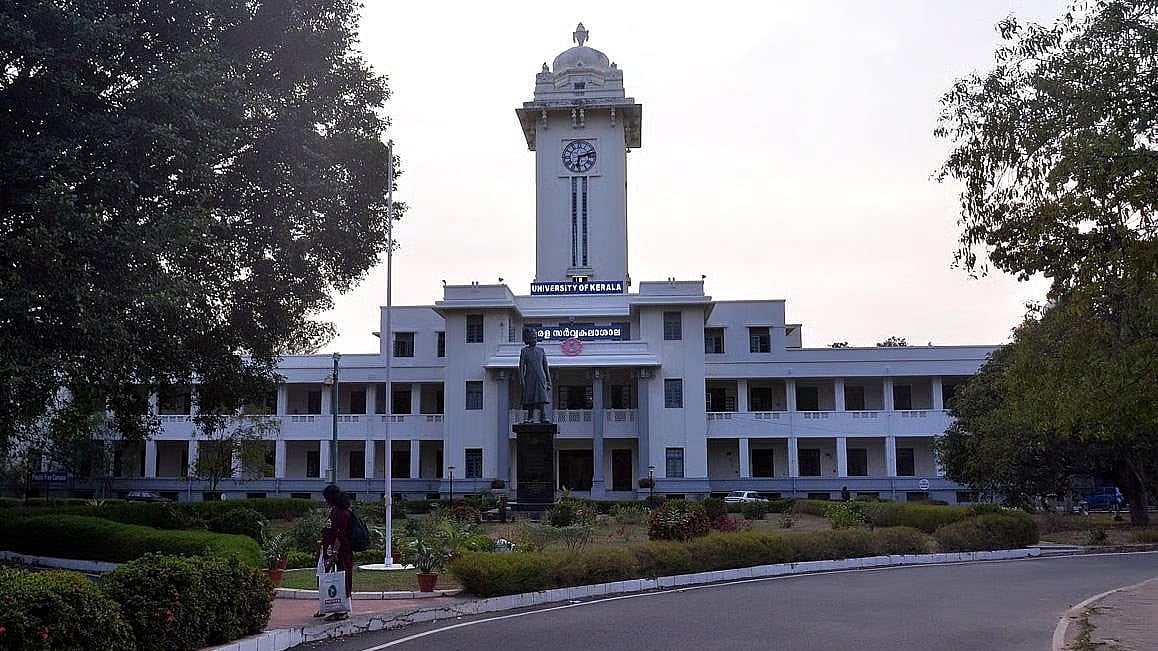
Kerala University is weighing draft rules that would sharply restrict campus political activity, including protests, strikes, sit-ins, and online mobilisation. The proposed penalties range from suspensions and fines of ₹5,000 for students to dismissal and criminal proceedings for unpaid fines, edexlive. However, university officials and the Higher Education Minister have rejected claims that the rules amount to a complete ban, calling the leaked draft a preliminary proposal still under discussion.
The Kerala University Employees' Union has condemned the measures as undemocratic and threatened protests. The Hindu reported that political groups and students are expected to resist the rules. University leaders say the draft is based on court guidance and institutional advice, but no implementation order has been issued and further stakeholder consultation is planned.
What the Draft Rules Would Restrict
The proposed regulations target a broad range of campus political activity: protests, strikes, sit-ins, slogans, political recruitment, fundraising, rallies, wall posters, and online mobilisation. India Today noted that seminars or debates featuring political figures or people linked to "controversial or anti-national" activities would also face restrictions. However, faculty-supervised classroom discussions and academic debates without political mobilisation would remain permitted.
Penalties escalate with severity. First-time offenders could face suspensions or fines of ₹5,000 for students and ₹10,000 for political organisations. Repeat violations carry higher fines and potential dismissal. Serious misconduct could result in one-year suspensions. Unpaid fines could trigger revenue recovery, withheld exam results, property attachment, and criminal proceedings, edexlive reported.
Officials Deny It's a Complete Ban on Student Politics
Kerala's Higher Education Minister Roji M John has rejected claims that the university intends to ban student politics entirely. India Today quoted the minister as saying the leaked draft was wrongly presented as a final decision. University leaders insist the proposal is merely one option under discussion at the syndicate sub-committee level.
Political party representatives said the rules aim to impose limits rather than eliminate student politics altogether. edexlive reported that the university syndicate referred the contentious matter to the Affiliation and Student Services Standing Committee. No implementation order has been issued, and university officials have promised further consultation with students and stakeholders before any final decision.
Swift Backlash From Both Political Sides
The draft rules sparked protests from both ruling and opposition political factions. Kerala Kaumudi reported that Kerala University faced a political storm over the student politics guidelines. The Kerala University Employees' Union condemned the measures as fundamentally undemocratic and vowed to resist them through protests and other means.
Student groups and political organisations are preparing to challenge the proposal. The intensity of early opposition suggests the rules face an uphill path to adoption. University officials acknowledged the controversy but maintained that the draft remains preliminary and open to revision based on stakeholder feedback before any formal approval.
Sentiment
Mostly NegativeNEGATIVENEUTRALPOSITIVE
Publishers
17
Articles
13
Reach
30
A
AnonymousAuthor