Strict Fuel Emission Checks
Delhi Intensifies No PUC No Fuel Policy Amid Enforcement Gaps At Pumps
Anonymous
Key Points
1
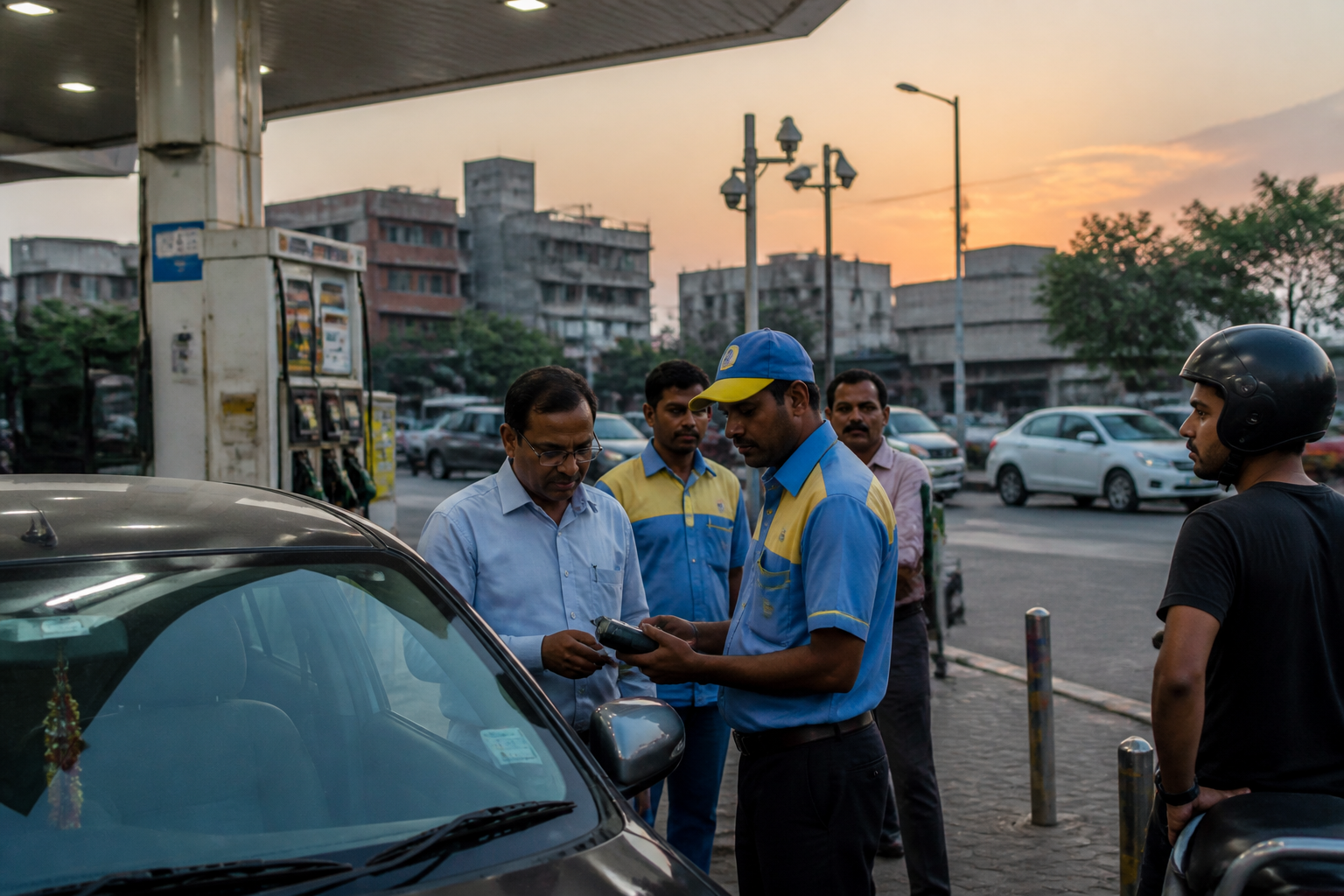
At four Delhi petrol pumps visited by the Times of India, employees said their systems flagged an average of 10 to 15 vehicles a day without valid certificates. A dealer said pump staff were left to conduct checks while also dispensing fuel, after government personnel who had previously been deployed at outlets were no longer present.
2
Gurgaon has 306 petrol pumps and 78 CNG stations. The first phase of Haryana’s ANPR project is expected to provide 249 cameras to Gurgaon, as part of 775 cameras planned for four NCR districts, at an estimated cost of Rs 41.7 crore; the cameras are also intended to identify end-of-life vehicles.
3
Delhi Transport Minister Pankaj Kumar Singh urged residents to get their vehicles tested, saying, “If they do not have a PUC certificate, they will not get fuel and indeed, they are not getting it.”
Delhi has tightened its grip on vehicle emissions by enforcing a strict "No PUCC, No Fuel" policy across roughly 500 fuel pumps. The rule blocks petrol and diesel sales to cars without a valid Pollution Under Control certificate, a move officials say will cut air pollution. Delhi Transport Minister Pankaj Kumar Singh said: "If they do not have a PUC certificate, they will not get fuel and indeed, they are not getting it."
But enforcement gaps are showing. A Times of India spot check at four Delhi pumps found no government marshals on duty. Staff said they flag 10 to 15 vehicles daily without valid certs, yet scanners delay alerts long enough for some cars to fill up before checks complete.
Scanners Flag Noncompliant Vehicles, But Staff Bear Burden
Delhi petrol pumps rely on scanning systems to catch vehicles without valid PUCC certificates. Four pumps visited by Times of India reported their scanners flagged an average of 10 to 15 vehicles per day as noncompliant. Yet government enforcement personnel once stationed at pumps have vanished, leaving pump staff alone to do checks while dispensing fuel.
The timing matters. Scan alerts sometimes arrive too late to stop refueling. Pump employees say they lack backup to enforce the rule on busy days. Urban Acres reports the policy relies on scanners, CCTV cameras, and public notices to identify offenders, but without on-site oversight, compliance remains patchy.
Gurgaon Waits for Number-Plate Recognition Cameras
Gurgaon has 306 petrol pumps and 78 CNG stations enforcing the same ban. The Haryana government is rolling out automatic number plate recognition (ANPR) cameras to catch violators remotely. The first phase aims to install 249 cameras across Gurgaon, part of 775 planned for four NCR districts, costing Rs 41.7 crore total.
Until the cameras arrive, Times of India reports pump operators must manually check PUCC certificates and post notices. Officials say random inspections will continue during the interim. Violations carry penalties. The ANPR system will also flag end-of-life vehicles, serving double duty for emissions control.
Delhi Pushes Residents to Renew Certificates Before Pumps Refuse Service
The Delhi government has urged drivers to get their vehicles tested and renew expired PUCC certificates before fuel stations enforce the ban fully. Newsable reports the policy aims to curb vehicle emissions and improve air quality across the capital. Authorities are monitoring pump compliance with tech and staff checks.
Transport Minister Singh's message is blunt: comply or lose fuel access. Newsbytes reports the new rule prevents fuel sales entirely for vehicles lacking valid certificates. The enforcement marks a shift from warnings to hard restrictions—no exemptions, no partial compliance.
Sentiment
Mostly NegativeNEGATIVENEUTRALPOSITIVE
Publishers
14
Articles
21
Reach
35
A
AnonymousAuthor


