U.S.-Iran Diplomatic Talks
Iran receives formal U.S. response to war proposal as indirect diplomacy continues.
Anonymous
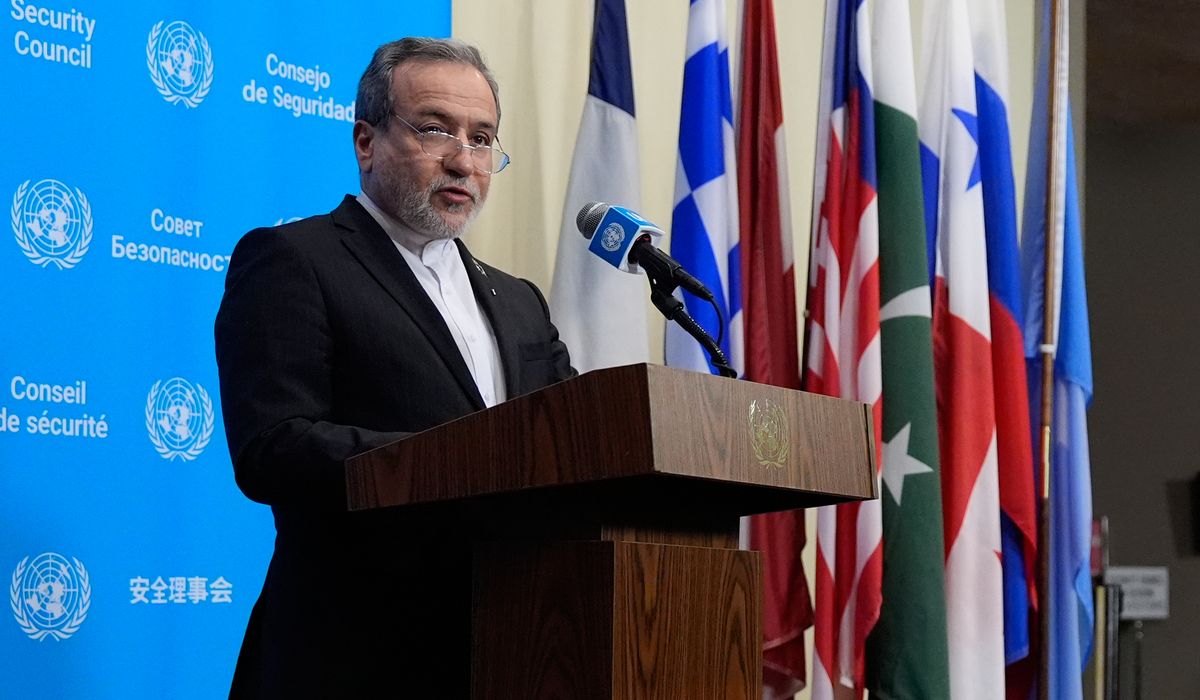
Iran says it has received Washington’s formal response to Tehran’s latest proposal to end the seven-month war, though officials have not disclosed its contents or said whether it is a rejection. The proposal offered to reopen the Strait of Hormuz within seven days in exchange for steps including lifting the U.S. blockade of Iranian ports, releasing frozen Iranian assets and easing oil sanctions; President Donald Trump had called it unacceptable. Foreign Minister Abbas Araghchi delivered the response to President Masoud Pezeshkian after indirect talks and mediation involving Qatar and Pakistan around the U.N. General Assembly. Diplomacy continues, but the sides remain far apart, with reports indicating disagreement over the sequence of steps and new U.S. sanctions adding pressure on Tehran.
Key Points
1
President Masoud Pezeshkian said Iran would pursue an agreement while defending its citizens’ rights, adding that any deal “must now be based on a win-win strategy.”
2
The diplomatic uncertainty coincided with domestic strain in Iran: the rial was falling, medicine prices were rising, and two men were executed over violence during anti-government protests earlier in the year.
3
The New York contacts were the first proximity talks between Washington and Tehran since the previous ceasefire collapsed. A source involved in negotiations said the sides were “still closer to war than to an agreement” and had become more rigid.
4
Trump continued to project confidence that Iran would eventually surrender, telling reporters, “I don’t know if they are going to give up yet but they’ll give up,” and saying Iran was “doing very poorly.”
Sentiment
Mostly NegativeNEGATIVENEUTRALPOSITIVE
Publishers
50
Articles
293
Reach
343
A
AnonymousAuthor


