US-India Trade Talks
US and India Near Trade Agreement Despite Ongoing Tariff and Oil Disputes
Anonymous
Key Points
1
The negotiations have missed several deadlines: the broader Bilateral Trade Agreement was initially expected by fall 2025, and a later interim deal target of March–April 2026 also passed without an agreement. A separate effort to reach a tariff-focused “mini deal” likewise did not produce a deal.
2
Trade talks are taking place amid pressure over India’s purchases of Russian oil. The report says Trump signed legislation that would allow tariffs of up to 100% on countries buying Russian oil and gas, while India’s Russian oil purchases reached an 11-month high in April; Washington and New Delhi have had diplomatic tensions over the issue.
3
The U.S. also imposed tariffs in July on goods from India and 16 other countries, citing what it said were inadequate measures to prevent forced labour in production; India denied the allegations.
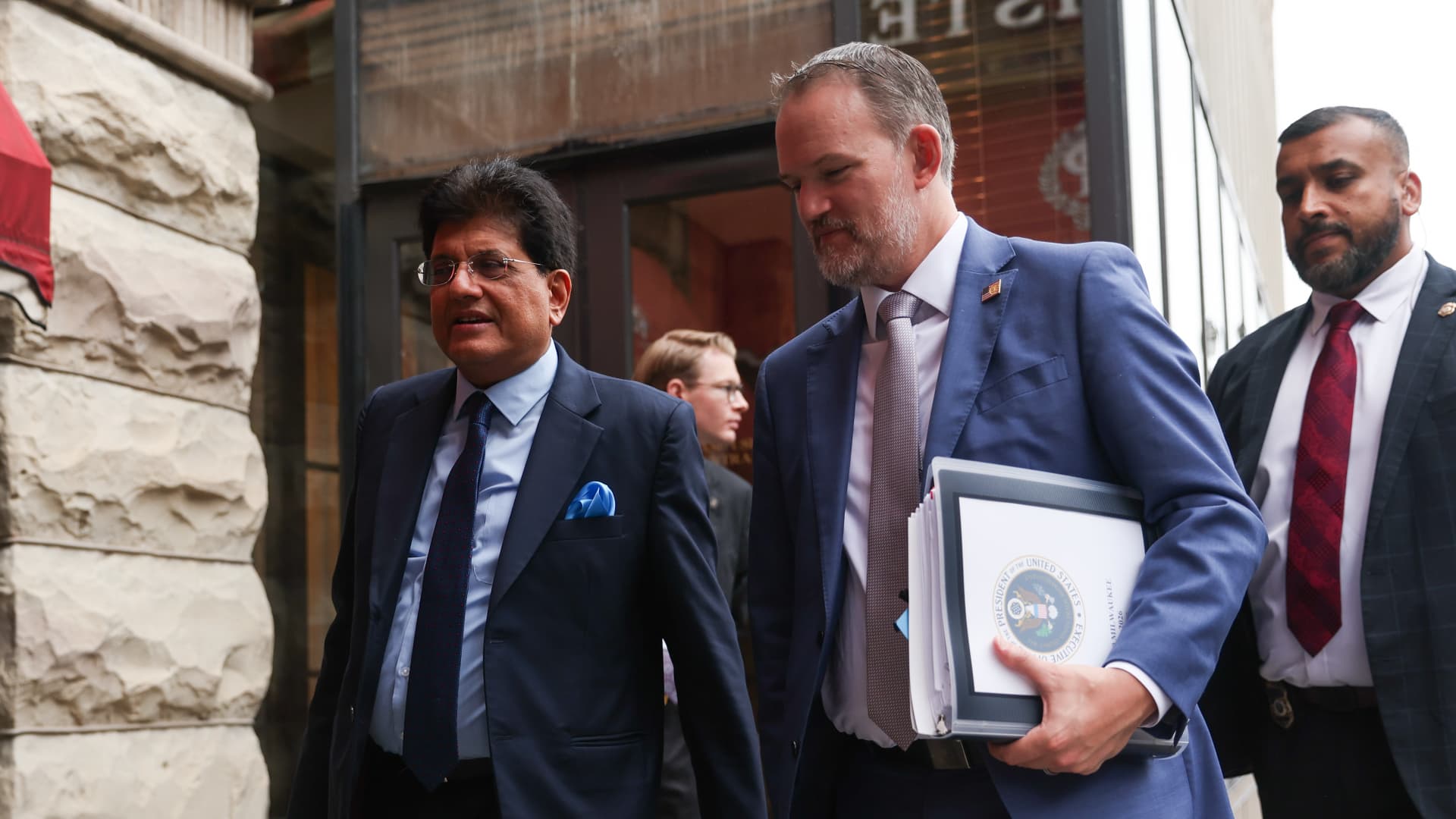
U.S.-India trade talks have reached their final stages, but a deal announcement is not coming soon. USTR Greer said negotiators identified outstanding issues and are working through them after meeting with Indian Commerce Minister Piyush Goyal at a G20 summit in Milwaukee on October 1. Both leaders aim for an early agreement, but neither side has set a new deadline.
The negotiations have already missed multiple deadlines. The broader bilateral trade deal was due in fall 2025. An interim agreement target of March–April 2026 also passed without a deal. Talks remain stalled over tariff disputes, Russian oil purchases, and labor allegations that India denies.
Years of Missed Deadlines and Stalled Negotiations
The U.S. and India signed a trade framework agreement in February 2026, but turning it into a final deal has proven difficult. Jagranjosh reported that a broader bilateral trade agreement was initially expected by fall 2025. When that passed, both sides targeted March–April 2026 for an interim deal. That deadline also came and went. Tribune India notes that a separate push for a tariff-focused mini deal also failed to produce results.
Greer used the phrase 'short strokes,' indicating negotiators are near the end but hitting snags on specific issues. Indian Commerce Secretary Rajesh Agrawal said the delegation would address all remaining trade issues, but neither side has revealed what those sticking points are or when they expect resolution.
Russian Oil Imports Create New U.S. Leverage
India's purchases of Russian crude oil have become a major pressure point. Indian imports surged to an 11-month high in April 2026, even as Washington criticized New Delhi for indirectly supporting Russia. President Trump signed legislation in September allowing tariffs of up to 100% on countries buying significant Russian oil and gas.
The move gives the U.S. a powerful bargaining tool. India relies heavily on Russian energy for affordability and supply security, but faces the threat of punitive tariffs if it does not reduce purchases. Daily Excelsior noted that the energy dispute is now intertwined with broader trade negotiations, making agreement harder.
Forced Labor Tariffs and India's Denials
In July 2026, the U.S. imposed a 10% tariff on goods from India and 16 other countries. Washington said the penalty was for inadequate measures to prevent forced labor in production. Indian Commerce officials immediately denied the allegations, calling them unfounded and rejecting the tariffs as unfair pressure.
Shunyatax reported that India's denial has not swayed Washington, which continues to cite labor standards as a non-negotiable requirement for a final deal. The tariff remains in place and complicates efforts to reach agreement. Indian exporters worry that without a deal soon, they face both the 10% penalty duty and potential 100% tariffs under the Russian energy law.
Trump and Modi to Weigh In as Talks Stall
President Trump and Prime Minister Modi spoke by phone on September 30 to review progress on trade, defense, and energy cooperation. Both leaders plan another call soon to push past the remaining obstacles. Direct involvement by the two heads of state signals that senior diplomacy is now being used to break the deadlock.
Both sides say they want a deal, but they are far apart on key terms. India wants guaranteed tariff reductions and protected markets for agriculture. The U.S. demands Indian commitments on labor standards and reduced Russian energy imports. Without movement on these core issues, even presidential involvement may not speed up a final agreement.
Sentiment
Mostly NegativeNEGATIVENEUTRALPOSITIVE
Publishers
32
Articles
44
Reach
76
A
AnonymousAuthor


