Climate Spread Of Disease
Rising Global Temperatures Expand Geographical Ranges for Malaria and Dengue-Carrying Mosquitoes
Anonymous
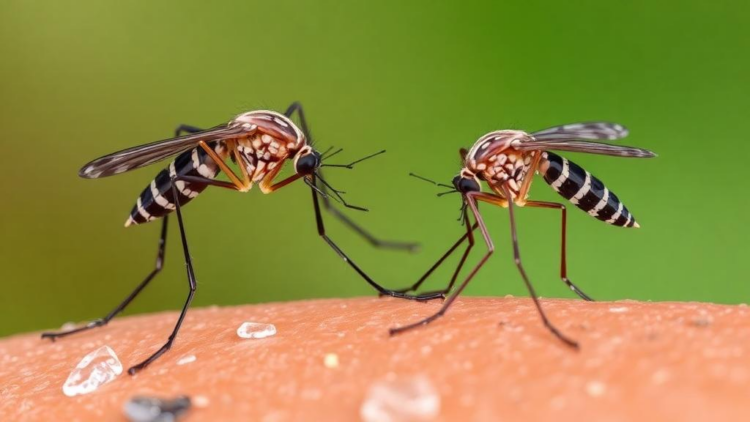
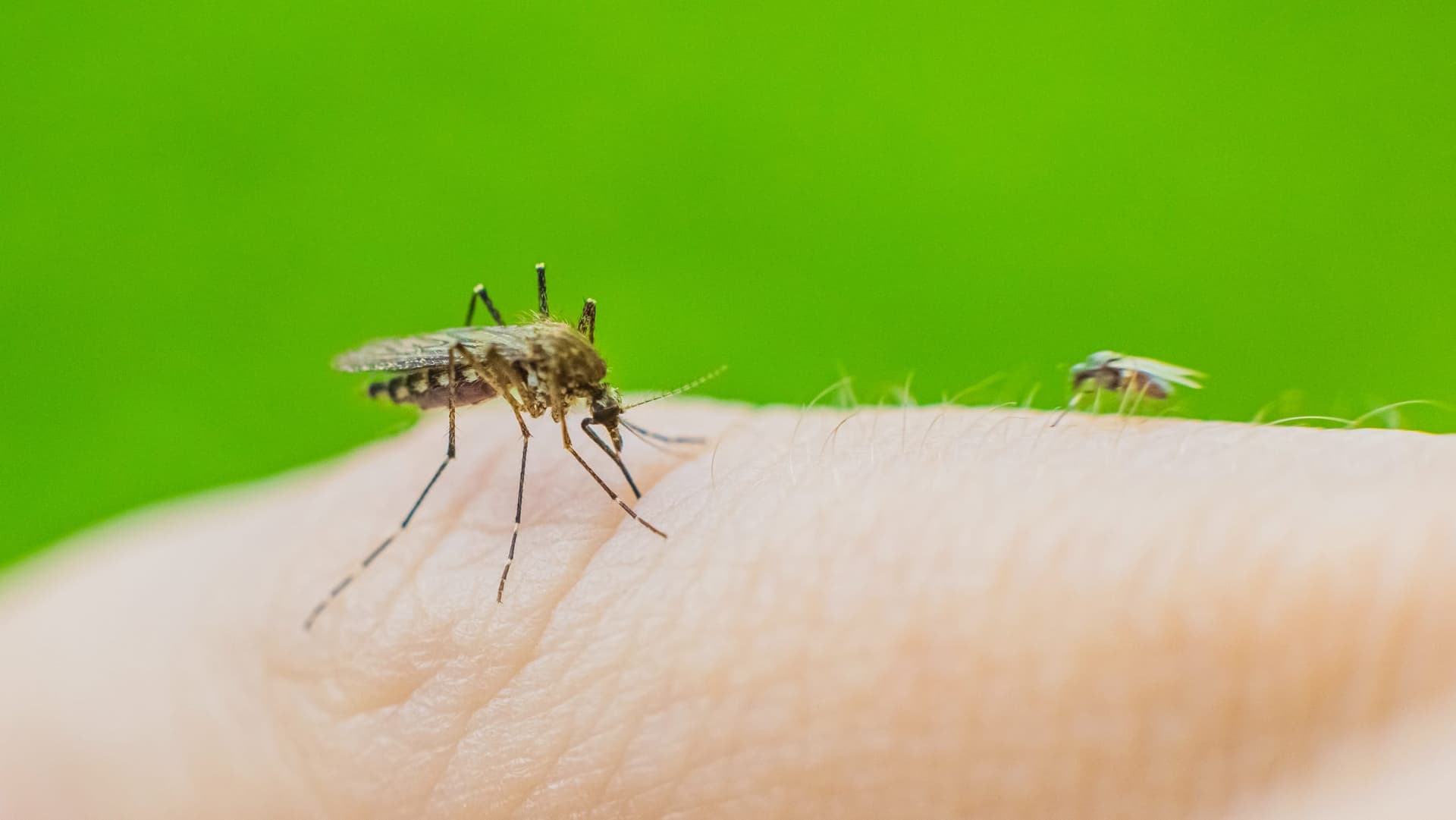
A Monash University review says rising temperatures and shifting rainfall are expanding the areas where malaria- and dengue-carrying mosquitoes can thrive, though local effects vary. The diseases have diverged: malaria rates declined over the past century amid mosquito control and drug treatment, while dengue rose, aided by urbanization; malaria incidence has nevertheless increased 8.5% over the past decade. Researchers call for a coordinated response combining mosquito control, dengue vaccines and other preventive measures, and cuts to greenhouse gas emissions.
Key Points
1
The review estimates that malaria causes close to 300 million cases worldwide each year, while dengue infections approach 400 million annually.
2
The diseases are transmitted by different mosquitoes and pathogens: malaria is a parasitic infection typically spread by female Anopheles mosquitoes, while dengue is a viral infection spread by female Aedes mosquitoes.
3
Researchers say dengue has no therapeutics available; among preventive approaches they identify introducing Wolbachia bacteria into Aedes populations to reduce the mosquitoes’ ability to transmit the virus.
Sentiment
Mostly PositiveNEGATIVENEUTRALPOSITIVE
Publishers
6
Articles
5
Reach
11
A
AnonymousAuthor