Florida Dengue Outbreak Reports Death, 152 Local Cases
Florida Dengue Outbreak Reports Death, 152 Local Cases
Anonymous
Key Points
1
Health experts said climate change and recent weather conditions may have helped warm-weather mosquitoes expand their range and multiply, contributing to Florida’s unusual outbreak.
2
Dengue infections may be undercounted because many infected people have no symptoms; symptomatic cases can cause headache, fever and flu-like illness, while severe disease can lead to bleeding, shock and death.
3
Hillsborough County recorded 39 dengue cases from Sept. 6–12, while neighboring Pinellas and Pasco counties reported seven and two cases, respectively.
4
County mosquito-control officials said laboratory testing found that potentially infected female mosquitoes were not transmitting the virus to their offspring, an indication that the virus was not being passed vertically within the mosquito population.
5
Officials emphasized that the mosquito species involved breeds in man-made containers rather than ditches, sewer drainage areas, lakes or ponds, making the removal of standing water around homes particularly important.
Florida has confirmed its first dengue fever death of 2026, an 80-year-old woman from Hillsborough County who died in September, Florida Department of Health. The state is grappling with one of its most significant dengue outbreaks in decades, with 152 locally acquired cases reported — far more than the disease's typical pattern of travel-related infections. More than 130 cases have been concentrated in Hillsborough County alone, raising alarm among health officials who say this level of local transmission is unusual for the continental United States.
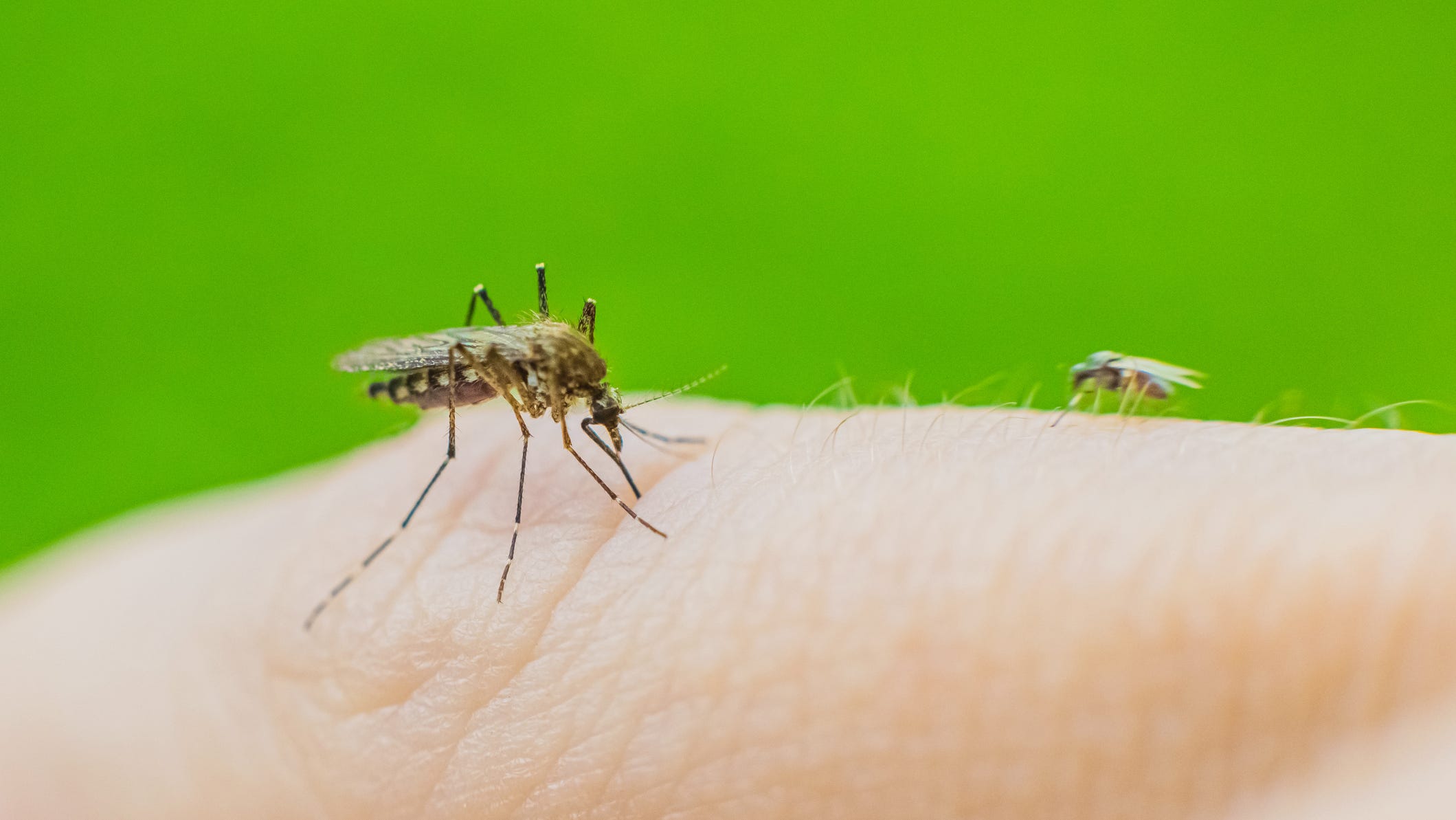
Dengue, a mosquito-borne virus spread by Aedes aegypti mosquitoes, causes fever, headache, and flu-like illness in many people. Severe cases can trigger bleeding, organ failure, and death. Health officials warn that actual infections may be significantly higher than reported, since many infected people show no symptoms at all Daily Commercial.
Tampa Bay Becomes Outbreak Epicenter
Hillsborough County has become the center of Florida's dengue crisis. From September 6 to 12 alone, the county recorded 39 cases. Neighboring Pinellas County reported seven cases and Pasco County reported two cases during the same period Palm Beach Post. The outbreak remains geographically concentrated rather than spreading uniformly across Florida, which has allowed health officials to focus containment efforts on the Tampa Bay region.
Helicopters and Ground Spraying Target Mosquito Population
Hillsborough County is deploying helicopters and trucks to spray pesticides targeting both adult mosquitoes and larvae. Recent mosquito trap samples have tested negative for dengue, suggesting control efforts may be working Northwest Florida Daily News. Officials continue urging residents to eliminate standing water around their homes, since the Aedes aegypti mosquito breeds in man-made containers like buckets, flower pots, and clogged gutters rather than natural water sources like lakes or ponds.
Climate Change May Be Fueling Mosquito Expansion
Health experts point to climate change and recent warm weather as factors enabling dengue-carrying mosquitoes to expand their range and breed more rapidly. Warmer temperatures allow the virus to develop faster inside the mosquito and increase the insects' survival rates. This combination has created ideal conditions for the Aedes aegypti species to thrive in Florida.
Vertical Transmission May Not Be Spreading the Virus
Laboratory testing found that potentially infected female mosquitoes were not transmitting dengue to their offspring, a positive sign for outbreak control. This means the virus is not spreading vertically through the mosquito population, reducing the long-term risk of sustained transmission. Health authorities are continuing to monitor neighboring counties and track case trends as fall progresses.
Sentiment
Mostly NegativeNEGATIVENEUTRALPOSITIVE
Publishers
18
Articles
65
Reach
83
Topics
A
AnonymousAuthor


