Project Cheetah Milestone
Five New Cubs Born at Kuno National Park Lift India's Cheetah Population to 60
Anonymous
Key Points
1
Since Project Cheetah began in 2022, almost 23 cheetahs have died, highlighting the challenges facing the reintroduction programme.
2
Authorities said protected habitat for cheetahs had expanded to 3,428 square kilometres and identified Gujarat’s Banni Grasslands and Madhya Pradesh’s Nauradehi Wildlife Sanctuary as potential future release sites.
3
Of India’s 60 cheetahs, 53 are at Kuno National Park and three at Gandhi Sagar Wildlife Sanctuary, according to the report.
4
An earlier litter of four cubs born to KGP12 in April 2026 did not survive after a leopard attack.
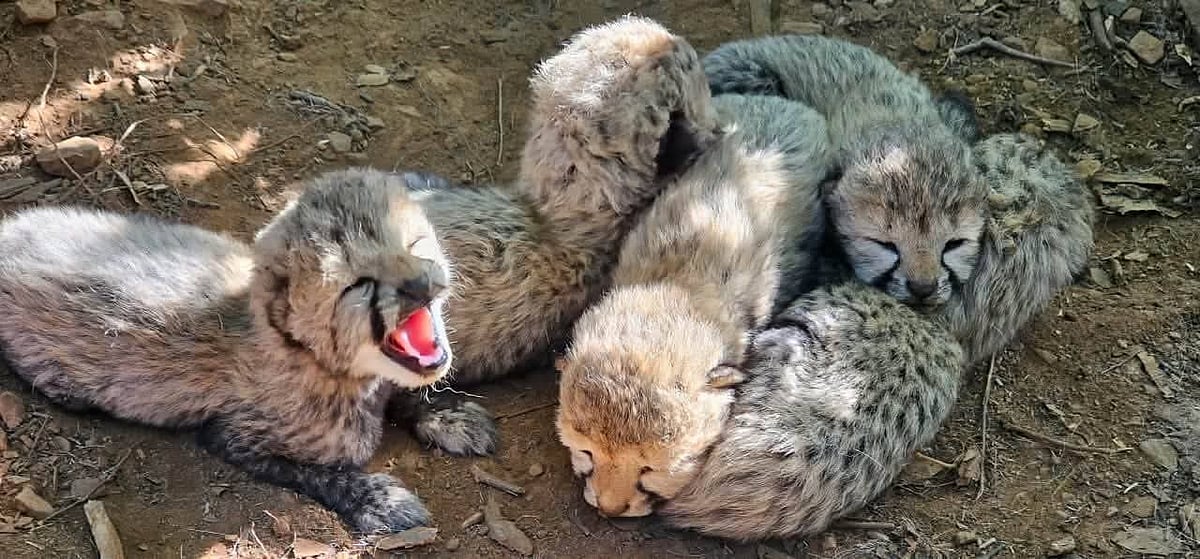
India's cheetah population hit 60 after a major birth at Kuno National Park on October 5. An Indian-born female cheetah named KJP21 delivered five cubs, bringing the total number of cheetahs born in India to 41 Free Press Journal. The cubs' father is from Botswana, adding new genetic diversity to India's growing cheetah family.
This birth marks a turning point for Project Cheetah, India's ambitious plan to bring cheetahs back after they vanished from the country decades ago. KJP21 is only the third India-born female to have cubs, following Mukhi and KGP12 DD India. Yet the program faces real challenges — nearly 23 cheetahs have died since the project started in 2022.
From Extinction to Growing Population
Cheetahs completely vanished from India in the 1950s. Project Cheetah, launched in 2022, has worked to change that. The program brought cheetahs from Africa back to Indian national parks Times of India. Of India's 60 cheetahs today, 53 live at Kuno National Park in Madhya Pradesh and three at Gandhi Sagar Wildlife Sanctuary.
The five new cubs represent hard-won progress. But survival remains uncertain. An earlier litter of four cubs born to another India-born female, KGP12, died after a leopard attack in April Newsable. Officials must balance hope with the reality of predators and other dangers.
Nearly 23 Deaths Test the Reintroduction Program
Project Cheetah has suffered significant losses. Since 2022, almost 23 cheetahs have died from various causes NDTV. That's roughly 28% of all cheetahs brought to India. Deaths have come from accidents, fights with other predators, and illness. The high death rate shows how difficult it is to restore an extinct species.
Yet officials remain committed. They note that KJP21's five cubs represent hope for a self-sustaining population. If these cubs survive and breed, the program will be closer to its ultimate goal — a healthy, wild cheetah population that no longer needs human help to survive.
Expanding Habitat for Future Cheetah Growth
India has prepared new space for cheetahs. Protected habitat has grown to 3,428 square kilometers DD India. Officials have identified two new release sites: Gujarat's Banni Grasslands and Madhya Pradesh's Nauradehi Wildlife Sanctuary. Both offer the open grasslands that cheetahs need to hunt and thrive.
These expansions matter because Kuno National Park alone cannot hold hundreds of cheetahs forever. Spreading the population across multiple sites reduces disease risk and genetic problems. If the five new cubs survive, they could eventually be relocated to help start new populations in these fresh habitats.
Sentiment
Mostly PositiveNEGATIVENEUTRALPOSITIVE
Publishers
16
Articles
27
Reach
43
Topics
A
AnonymousAuthor