Regional Condemnation of Houthi Strikes
India and Arab Allies Condemn Houthi Missile Attacks on Saudi Cities
Anonymous
Key Points
1
India said the Houthi issue was discussed during a bilateral meeting between External Affairs Minister S. Jaishankar and Saudi Foreign Minister Prince Faisal bin Farhan Al Saud on the sidelines of the BRICS Summit.
2
The Arab Parliament identified the targeted Saudi cities as Khamis Mushait, Abha and Taif, saying the attacks injured civilians and damaged homes and vehicles; it called on the UN Security Council to take a firm position and hold those responsible and their supporters accountable.
3
Kuwait said Saudi Arabia’s security is inseparable from the security of Kuwait and other Gulf Cooperation Council countries, extending its condemnation beyond support for Saudi sovereignty to the wider Gulf security framework.
4
Yemen’s National Human Rights Authority said Saudi airstrikes in Taiz’s Dhubab and Maqbanah districts initially killed three civilians, including two children, and injured two others; it also said an attack on a government complex in Khadir injured civilian employees and damaged the building and its records.
5
The Yemeni authority alleged that the strikes violated the Geneva Conventions, their Additional Protocols and the Convention on the Rights of the Child, arguing that attacks on government and service facilities formed part of a systematic policy of disrupting state institutions and amounted to collective punishment.
India, the Arab Parliament, and Kuwait condemned Houthi ballistic-missile and drone attacks on Saudi cities this week, saying the strikes injured 13 civilians and damaged homes across Khamis Mushait, Abha, and Taif. India Today reported that Indian External Affairs Minister S. Jaishankar raised the issue during talks with Saudi Foreign Minister Prince Faisal bin Farhan Al Saud at the BRICS Summit, warning that such attacks threaten freedom of navigation through the Bab-el-Mandeb Strait and regional stability.
The Houthi strikes came after the Iranian-backed group seized strategic coastal positions in Yemen, including the port city of Mocha and Mayun Island near the Bab al-Mandab Strait. News18 noted that Yemen's National Human Rights Authority separately accused Saudi aircraft of killing three civilians, including two children, in retaliatory airstrikes on Taiz, alleging violations of international humanitarian law.
Houthi Barrage Targets Key Saudi Military and Civilian Sites
On September 14, Houthi forces launched a coordinated attack using ballistic missiles and drones against King Khalid Air Base in Khamis Mushait and nearby cities in southern Saudi Arabia. The Arab Parliament identified the struck cities as Khamis Mushait, Abha, and Taif. Coalition spokesperson Maj. Gen. Turki Al Maliki confirmed the attacks injured 13 civilians and damaged 7 homes and 2 vehicles, vowing the coalition would respond "responsibly and firmly" under international law.
Houthi military spokesperson Yahya Saree claimed responsibility for launching "dozens of ballistic missiles and drones" targeting air base hangars, runways, and radar systems. He said the strikes would not go unanswered. Within 24 hours, Saudi warplanes conducted 52 airstrikes across five Yemeni provinces — Taiz, Al-Jawf, Al-Bayda, Saada, and Amran — according to Houthi military reports.
India Warns of Threats to Red Sea Shipping and Energy Routes
India's Ministry of External Affairs spokesperson Randhir Jaiswal stated during a press briefing that attacks on Saudi territory "undermine regional stability and threaten freedom of navigation through the Bab-el-Mandeb Strait." India Today reported that Jaishankar raised the issue directly with Saudi Arabia's foreign minister, emphasizing concerns about the choke point used for global energy transport.
Despite the escalating tensions, Indian officials confirmed that energy supplies to India remain uninterrupted. The strikes occur after Houthi forces seized Mocha port and Mayun Island near the strait, positioning the group within striking range of critical international shipping lanes. Insurance rates for vessels transiting the region have risen as maritime risk increases.
Arab Nations Unite Behind Saudi Arabia, Demand UN Action
Kuwait framed the attacks as a threat to the entire Gulf Cooperation Council, stating that "Saudi Arabia's security is inseparable from the security of Kuwait and other GCC countries." The Arab Parliament called on the UN Security Council to take "firm action" and hold those responsible and their supporters accountable for the strikes on civilian areas.
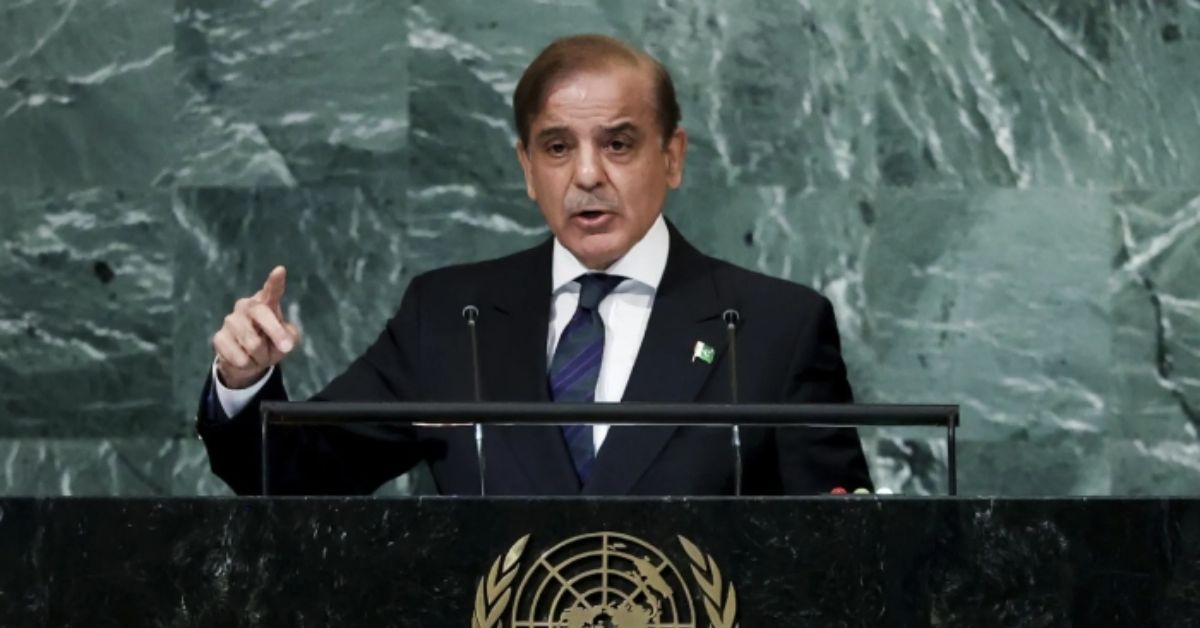
Pakistan also condemned the attacks. Prime Minister Shehbaz Sharif called the drone assault "dastardly and heinous," describing it as "outrageous" and "reprehensible." Pakistan leaders joined regional allies in backing Saudi Arabia's right to defend itself while emphasizing the need for de-escalation and international diplomatic intervention.
Yemen Authority Alleges Saudi Strikes Violated International Law
Yemen's National Human Rights Authority issued a counter-statement, accusing Saudi aircraft of killing three civilians — including two children — in airstrikes on Taiz's Dhubab and Maqbanah districts. The authority reported two additional civilians were injured. It also said a strike on a government complex in Khadir damaged the building and injured civilian employees.
The Yemeni authority alleged the strikes violated the Geneva Conventions, their Additional Protocols, and the Convention on the Rights of the Child. It argued that attacks on government and service facilities form part of a "systematic policy" of disrupting state institutions and amount to collective punishment. These claims remain disputed by the Saudi-led coalition, which asserts it targets only legitimate military objectives.
Sentiment
Mostly NegativeNEGATIVENEUTRALPOSITIVE
Publishers
34
Articles
26
Reach
60
A
AnonymousAuthor


