Clean-Tech Economic Boom
Global Clean-Tech Race Reshapes Industries Amid Surging Investments in Renewable Energy
Anonymous
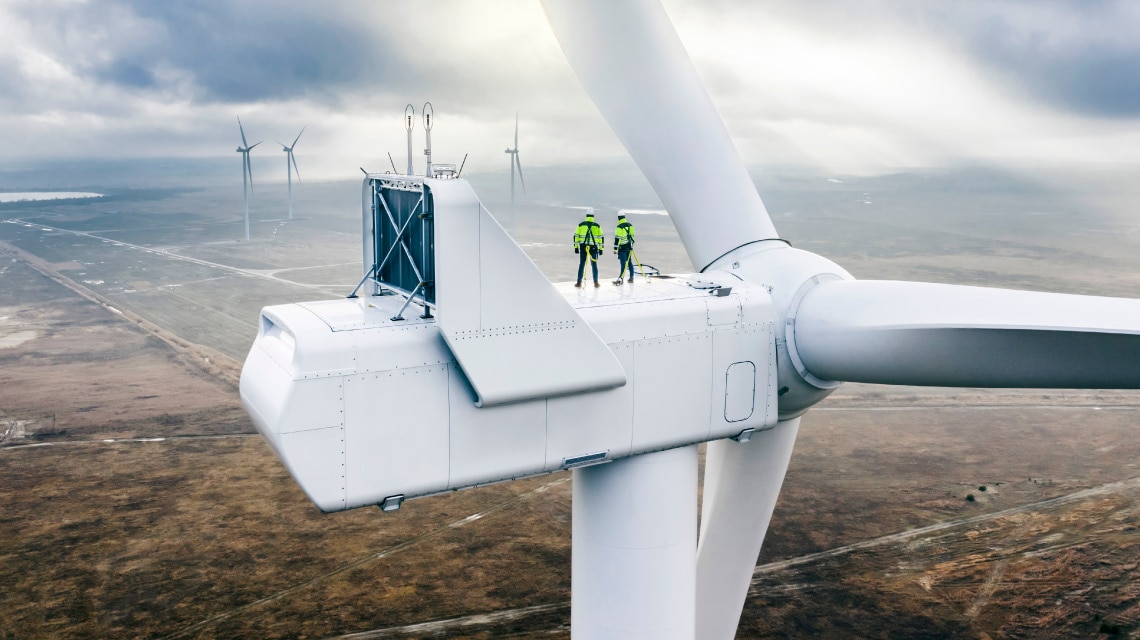
The accelerating clean-tech transition is reshaping manufacturing and economic competition, as rising electric-vehicle sales and investment in batteries, renewables and digital energy systems increase pressure on factories and power grids to use resources more efficiently. Countries are pursuing different strategies: China pairs extensive clean-tech manufacturing and rapid electrification with continued coal dependence, while the United States’ manufacturing investment momentum has been affected by a rollback of federal subsidies; European countries are building strengths in areas such as electric vehicles, wind and batteries. South Korea’s plans to expand carbon-free power and modernize its grid could create opportunities for clean-tech firms specializing in storage, grid software and energy management. Meanwhile, analysts see potential for a larger cleantech supply chain in Italy and Europe, with investment increasingly spanning batteries, renewables and industrial decarbonization; a Canadian climate-tech discussion also frames attracting investment as a possible driver of the clean-energy transition.
Key Points
1
India’s electric-vehicle sales reached a record 2.3 million in 2025, up more than 75% from the previous year, according to Article 1.
2
European clean-tech strengths vary sharply by country: Germany is the region’s largest net exporter of clean technologies, with EVs making up 66% of its clean-tech exports, while wind accounts for 55% of Denmark’s clean-tech exports.
3
South Korea’s 3rd Basic Plan for Intelligent Power Grids, covering 2023–2027, supports AI and cloud-based energy platforms to manage electricity demand and integrate distributed energy resources.
4
A McKinsey analysis cited in Article 5 projects that annual capital expenditure across 15 cleantech technologies could reach €5 trillion by 2035 if current growth continues, potentially contributing 1–2 percentage points to global gross value added and creating 25–30 million jobs.
Sentiment
Mostly PositiveNEGATIVENEUTRALPOSITIVE
Publishers
8
Articles
70
Reach
78
A
AnonymousAuthor


