High Court Rulings
Indian High Courts Deliver Landmark Rulings Across Property, Intellectual Property, and Bail Matters
Anonymous
Key Points
1
The Calcutta High Court held that the injunction against “IJM Gold Stag” covered not only ITC’s registered “Gold Flake” trademarks but also its trade dress, and dismissed ITC’s cross-objection after finding the competing cigarette marks and packaging sufficiently similar to establish a prima facie case of infringement and passing off.
2
In the Gujarat tribal inheritance case, the dispute arose from a deceased Scheduled Tribe woman’s will bequeathing inherited property to the defendant; the High Court made its recommendation for a central notification while hearing an appeal against dismissal of a challenge to that will.
3
The Gujarat High Court said that repairing or stabilising a crumbling house within 300 metres of a protected monument amounted to restoration rather than prohibited construction, particularly where local authorities had required emergency work to avert a public hazard.
4
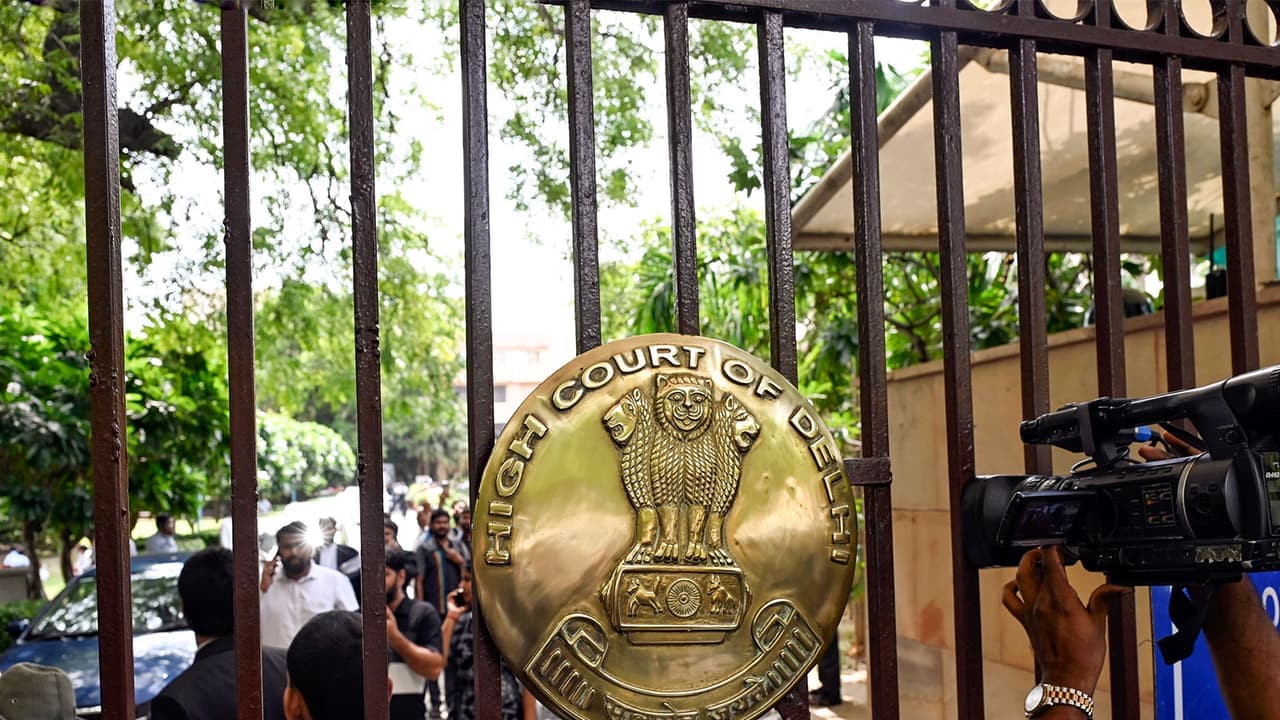
The Delhi High Court directed that four websites accused of infringing intellectual-property rights be blocked, adding a separate online-enforcement measure to the intellectual-property rulings reported during the week.
5
In the bail matter, the Delhi High Court criticised the police for failing to brief the prosecutor in time and directed a Deputy Commissioner of Police to appear, saying the lapse reflected the way police appeared to be treating the issue of individual liberty.
Indian High Courts across four states issued sweeping rulings this week on property rights, trademarks, and individual liberty. The Calcutta High Court directed West Bengal to fill vacancies in its real-estate regulator, while courts in Delhi, Bombay, and Gujarat tackled everything from cigarette packaging to tribal inheritance rights and emergency home repairs near monuments.
The rulings signal courts taking an active role in protecting both intellectual property and fundamental rights. In one case, the Delhi High Court rebuked police for failing to brief prosecutors, calling it a failure to respect individual liberty. Meanwhile, trademark cases reveal courts' skepticism toward overly generic brand names.
Trademark Courts Block Generic Brand Names
The Bombay High Court ruled that "ICE CREAM ROCKS" cannot be trademarked because the phrase is too generic to identify a single brand. The same court also upheld an injunction against the cigarette brand "IJM Gold Stag," finding it too similar to ITC's registered "Gold Flake" trademark. The Calcutta High Court determined the two cigarette packages were confusingly alike in both name and appearance.
In an intellectual-property case spanning online platforms, the Delhi High Court directed that four websites accused of copyright infringement be blocked. The court is also considering ANI's appeal claiming that OpenAI used its news content without permission.
Gujarat Clarifies Tribal Women's Inheritance and Home Repairs
The Gujarat High Court recommended a central government notification to clarify inheritance rights for Scheduled Tribe women. The case involved a deceased woman's will leaving property to the defendant. The court ruled that courts cannot block such inheritance cases simply because of uncertainty about tribal property law.
In a separate ruling, the same court held that emergency repairs to a crumbling house near a protected monument do not amount to illegal construction. The court found that stabilizing a home within 300 meters of a monument—when local authorities required it to prevent danger—constitutes restoration, not prohibited building work under Article 21.
Delhi Court Rebukes Police Over Bail Procedures and Individual Liberty
The Delhi High Court sharply criticized police for failing to brief prosecutors before bail hearings, ordering a Deputy Commissioner of Police to appear in court. The court said this lapse showed disrespect for the principle of individual liberty. The ruling emphasized that seriousness of an alleged crime alone does not justify denying bail when court proceedings drag on.
In a separate decision, the Delhi High Court questioned an NRI sponsorship requirement in NEET-UG medical admissions and rejected a challenge to show-cause notices issued to celebrity endorsers of the betel-nut brand Vimal Elaichi. The court also heard arguments on whether the Places of Worship Act bars the Waqf Board from investigating a property's religious character.
Calcutta Court Orders Timeline for Real-Estate Regulator Vacancies
The Calcutta High Court directed West Bengal authorities to set a concrete timeline for filling vacant positions in the state's real-estate regulator and appellate tribunal. The move aims to ensure the bodies can function properly and protect property buyers. Meanwhile, the Bombay High Court declined to rule on a separate challenge to Goa's RERA (Real Estate Regulation and Development) rules, finding the dispute had become academic.
Sentiment
Mostly NegativeNEGATIVENEUTRALPOSITIVE
Publishers
16
Articles
7
Reach
23
A
AnonymousAuthor