Cornwall WWII Bomb Removal
Royal Navy divers safely remove WWII bomb following massive evacuation in Cornwall.
Anonymous
Key Points
1
The device was found approximately 40 metres off Pendennis Headland and was believed to be more than 80 years old.
2
Cornwall Council said the evacuation zone covered 339 homes, while police and council staff went door to door; residents unable to leave for medical or other reasons were asked to notify emergency services.
3
The Royal Navy said mine-clearance divers from Bravo Squadron were assisting specialist Explosive Ordnance Disposal teams in assessing the suspected ordnance.
4
Police initially said there was no indication of a wider risk beyond the 150-metre cordon, while the Coastguard separately urged boat users to stay away from the affected waters.
5
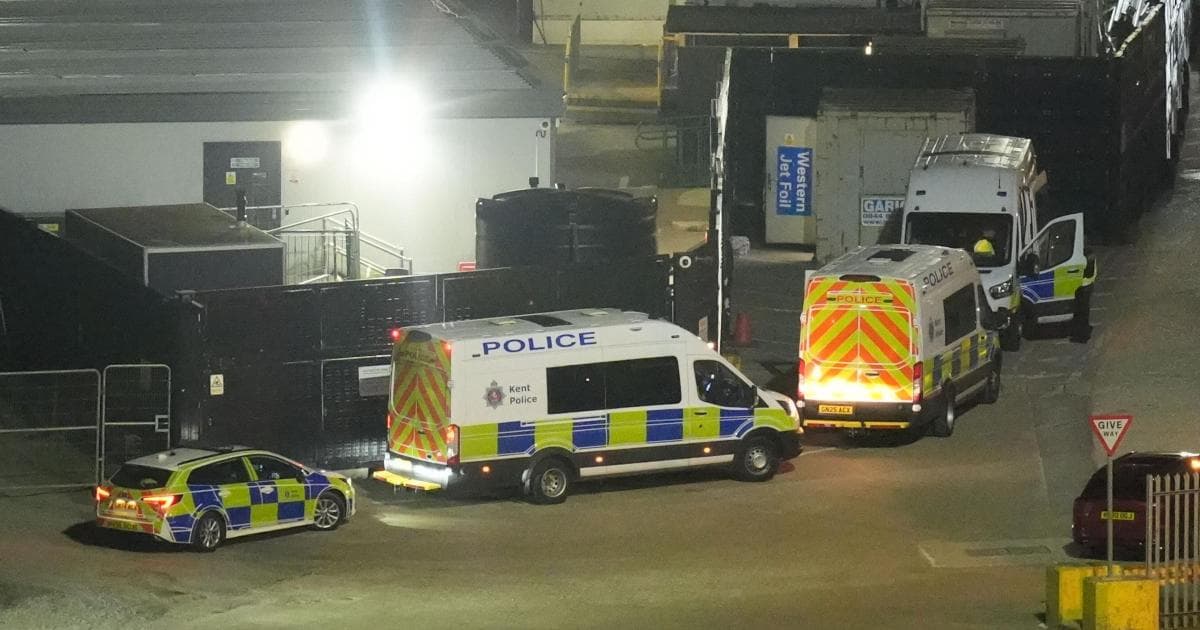
The initial safety cordon covered both land and sea and measured 150 metres before later expansion; authorities worked with the fire service, port authority and harbour master during the early assessment.
A suspected American World War II bomb weighing about 250 pounds was safely removed from waters near Falmouth Docks in Cornwall on Wednesday, ending a mass evacuation that forced nearly 2,000 residents from their homes. BBC reported that Royal Navy mine-clearance divers lifted the device from approximately 40 metres off Pendennis Headland and towed it to open sea, where it will be disposed of in deep water after a mandatory waiting period.
The discovery prompted authorities to expand safety cordons three times, eventually covering 339 households across the Falmouth area. News Hub noted that over 80 police officers and 100+ volunteers worked alongside fire crews, the coastguard, and port authorities to conduct door-to-door evacuations and manage the operation, which involved suspending rail services and closing maritime traffic.
Discovery and Initial Response
The unexploded bomb was found in tidal waters on Monday morning, triggering an immediate 150-metre safety cordon around the site. BBC reported that emergency services, including the Royal Navy, police, fire crews, and the coastguard, quickly established both land and sea exclusion zones. Authorities initially evacuated just two homes, but as assessments continued, the danger zone was expanded twice over the next two days.
By Wednesday morning, the cordon had grown to 755 metres, forcing the evacuation of 339 households—roughly 2,000 people. News Hub stated that Cornwall Council and police staff went door to door, asking residents unable to leave for medical or other reasons to notify emergency services. The Great Western Railway suspended train services on the Falmouth Branch Line, and all maritime traffic in the harbor was halted.
Expert Removal and Safe Disposal
Royal Navy Mine Clearance Divers from Bravo Squadron, working with specialist Explosive Ordnance Disposal teams, assessed and successfully removed the device on Wednesday evening. Yahoo News reported that the 250-pound American air-dropped bomb was towed away from Falmouth Docks to an exclusion zone in Falmouth Bay. The device will undergo a six-day stabilization period before being safely detonated in deep water well offshore.
Lt Cdr Ben Brown, commanding officer of Bravo Squadron, noted that the device was unusual because American air-dropped ordnance is rarely found in UK waters—most unexploded bombs discovered are German. The decision to fully evacuate the area before moving the bomb reflected the distinct risks posed by underwater ordnance, where friction sensitivity requires extreme caution.
Residents Return Home and Operation Concludes
Once the bomb was safely removed from the harbor, police lifted all safety cordons and residents were allowed to return to their homes. Cornwall Council's Portfolio Holder for Public Safety, Cllr Thalia Marrington, declared: "This is the news everyone wanted to hear. The device has been safely removed, the cordon has been lifted, and residents can now return to their homes." News Hub confirmed that the evacuation had ended safely.
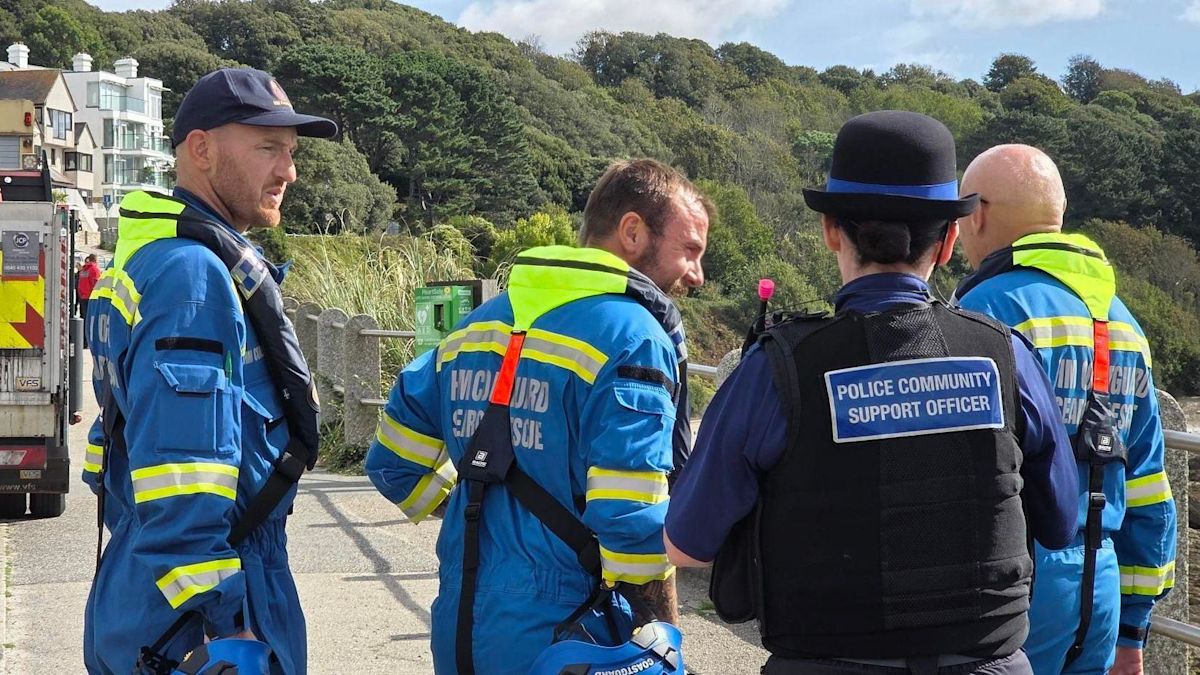
The operation involved unprecedented coordination between multiple agencies. Superintendent Ian Thompson, policing commander for West Cornwall, emphasized that public safety was the top priority: "Our priority is public safety and protecting lives." Over 80 police officers and more than 100 volunteers and partner-agency staff—including the Defence Science and Technology Laboratory, HM Coastguard, and Cornwall Fire and Rescue Service—worked to manage the evacuation and removal process.
Sentiment
Mostly NegativeNEGATIVENEUTRALPOSITIVE
Publishers
29
Articles
23
Reach
52
A
AnonymousAuthor