India Restricts Autism Stem Cell Therapy to Trials
India Restricts Autism Stem Cell Therapy to Trials
Anonymous
Key Points
1
The September 16 advisory applies specifically to States and Union Territories that have adopted the Clinical Establishments (Registration and Regulation) Act, 2010.
2
The Supreme Court held that stem cells fall within the definition of “drugs” under Section 3(b)(i) of the Drugs Act, 1940, bringing their use under the statutory drug-regulation framework.
3
The court also found that consent to an unproven stem-cell treatment may be invalid when it is based on inadequate information about the treatment’s risks, evidence and status.
4
The ICMR stated in a March order that stem-cell therapies may be used in routine practice only for conditions on the Health Ministry’s approved-indications list; outside those indications, they are permissible only in research. The order specifically states: “Other than the approved indications, stem cell therapy is permissible only in the context of research.”
5
The reported Supreme Court compliance proceedings include statements from the Parents Forum for Stem Cells in Autism and Cerebral Palsy, treating institutions and clinics, and affected parents or caregivers on efforts to shift ongoing treatment into approved clinical-trial settings.
India's Health Ministry has banned stem cell therapy for autism outside of approved clinical trials, following a Supreme Court ruling that unregulated treatments are unethical. The Hindu reported that states and Union Territories must now ensure stem cell therapy is offered as standard care only for conditions on the ministry's official approved list. For autism, any stem cell treatment must stay within supervised research settings and cannot be marketed or sold as routine medical care.
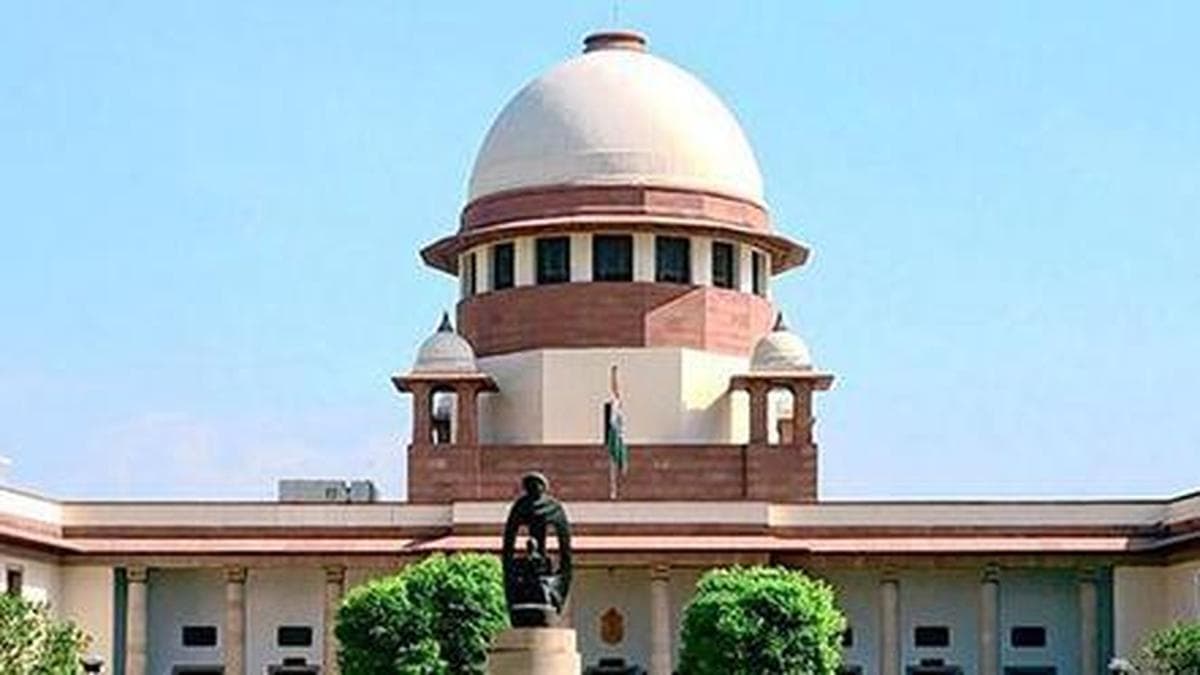
The January 30 Supreme Court ruling declared that unregulated autism stem cell therapy may constitute professional misconduct. Outlook India reported that violations could lead to penalties including cancellation of a clinic's registration. The court found that stem cells qualify as 'drugs' under Indian law, bringing them under strict regulatory control. Consent to unproven treatments may also be invalid if patients lack adequate information about risks and evidence.
Supreme Court Declares Unregulated Therapy Unethical
India's Supreme Court ruled on January 30 that unregulated stem cell therapy for autism violates ethical standards and may constitute professional misconduct. The Week reported that the court tightened regulations after finding clinics were offering unproven treatments without proper oversight. The ruling classified stem cells as 'drugs' under the Drugs Act, 1940, placing them under the nation's statutory drug-regulation framework. Clinics found violating the order face penalties including loss of registration.
The court is also investigating all approved and proposed autism stem cell trials across India. Outlook India reported that the Supreme Court is demanding a detailed account of participating institutions and plans to move patients already receiving therapy into regulated research settings. Statements from the Parents Forum for Stem Cells in Autism and Cerebral Palsy, as well as affected parents and clinics, are now part of compliance proceedings.
Health Ministry Limits Stem Cell Use to Official List
India's Health Ministry issued a September 16 advisory restricting stem cell therapy to only diseases on its approved-indications list. GK Today reported that states and territories must enforce these limits immediately in establishments registered under the Clinical Establishments Act, 2010. The Indian Council of Medical Research (ICMR) stated in March that stem cell therapy outside approved conditions is permissible only within research settings. The advisory specifically states: 'Other than the approved indications, stem cell therapy is permissible only in the context of research.'
Consent Rules Tighten for Unproven Treatments
The Supreme Court ruled that consent to unproven stem cell therapy may be invalid when patients receive inadequate information about risks and evidence. Mint reported that this ruling protects vulnerable patients, particularly families desperate for autism treatments. The court found that clinics often fail to disclose the unproven nature of therapies or their potential dangers. Moving forward, any clinic offering stem cell treatment must provide complete, transparent information about treatment status, risks, and available evidence before patients consent to care.
Sentiment
Mostly NegativeNEGATIVENEUTRALPOSITIVE
Publishers
17
Articles
14
Reach
31
A
AnonymousAuthor