Nepal Flood Crisis
Catastrophic Nepal Floods and Mudslides Leave Over One Thousand Dead and Thousands Missing
Anonymous
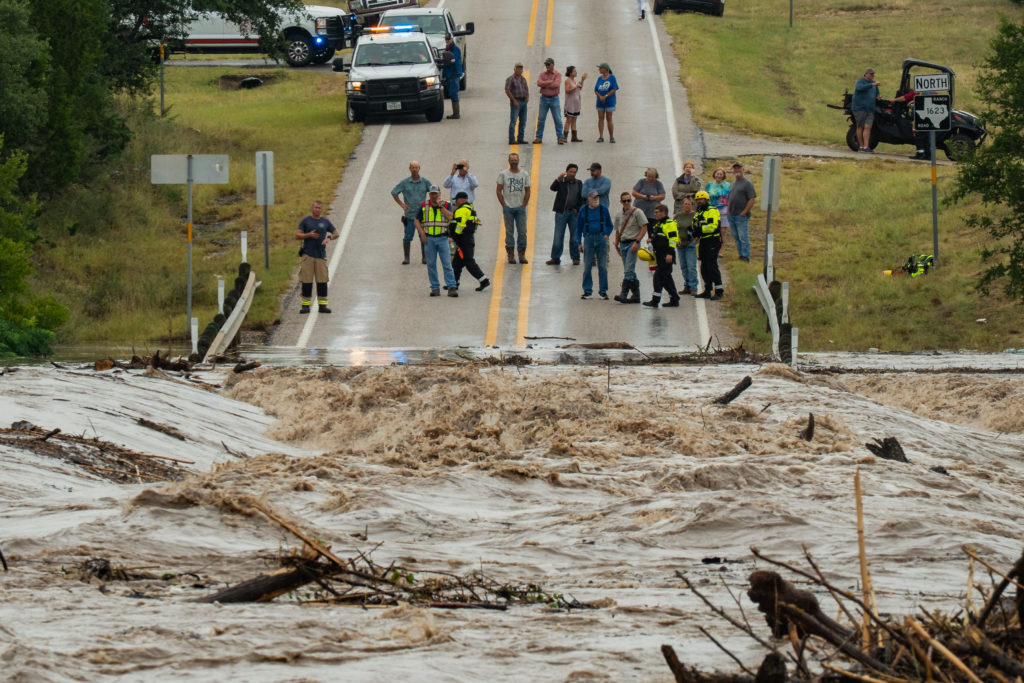
Catastrophic flash floods and mudslides in Nepal have destroyed homes, infrastructure and livelihoods, leaving survivors in communities such as Betrawati searching through mud and rubble for belongings and facing prolonged displacement. The disaster has also left thousands missing and created an urgent need for shelter, clean water, health care, schooling and livelihood support as emergency rescue efforts give way to long-term recovery. Relief organizers and volunteers mobilized rapidly to locate affected people, communicate with families and assist those awaiting news of loved ones, while survivors described profound personal loss. Reports also highlight the vulnerability of children who may have lost parents and extended family members, warning that emergency shelters and short-term aid alone cannot address their protection and welfare needs. Recovery planners say reconstruction must manage contaminated water and debris, restore essential services and rebuild communities in safer, more resilient locations rather than simply replace damaged structures.
Key Points
1
In the first 24 to 36 hours after the disaster, Isha Foundation volunteers mobilized across time zones, activating hotlines and diplomatic channels, contacting families and searching for information about people in the affected area. The account says Sadhguru also tried to reach the disaster zone himself.
2
More than 500 Nepali children were reportedly left completely orphaned, with many placed in overcrowded temporary shelters where poor sanitation, scarce food and weak safeguards could expose them to exploitation.
3
The disaster was reported to have killed at least 1,386 people and left more than 5,130 missing; the flooding and mudslides were attributed to a glacial collapse affecting Nuwakot and Dhading districts.
4
Flood damage created significant public-health risks because water sources may have been contaminated by sewage, waste, dead animals, human remains and hazardous materials. The recovery article warns that poorly managed debris could increase the risk of cholera, dysentery and typhoid.
5
The flooding also damaged Uttargaya Public School in Angitar, underscoring the disruption to education alongside the loss of homes and livelihoods.
Sentiment
Mostly NegativeNEGATIVENEUTRALPOSITIVE
Publishers
18
Articles
11
Reach
29
Topics
A
AnonymousAuthor


